
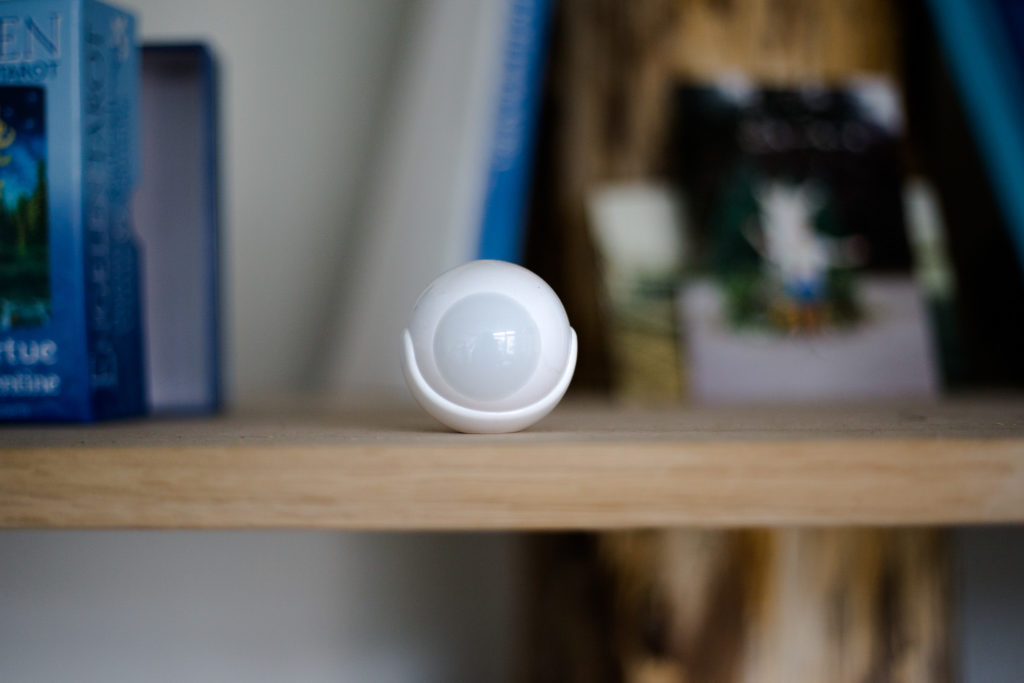

Property managers and landlords are increasingly turning to wifi sensors for rental homes to streamline operations, enhance safety, and provide peace of mind. These smart devices offer real-time monitoring for everything from smoke and motion to leaks and rodent activity, all without the need for complex wiring or professional installation. With a growing range of easy-to-use options, it’s now possible to keep an eye on your property from anywhere, automate alerts, and even reduce maintenance costs.
Whether you manage a single Airbnb or oversee multiple long-term rentals, choosing the right wireless sensors can make a significant difference in both convenience and security. This article explores the top choices, key features to consider, and how to integrate these devices for maximum benefit. For those interested in a unified view of their properties, the smart sensor dashboard rentals solution can be a valuable addition to your toolkit.
Why Choose Wireless Sensors for Rental Properties?
Smart sensors that connect via WiFi are ideal for rental homes because they are:
- Easy to install – Most models are battery-powered and require no drilling or rewiring.
- Remote-accessible – Monitor and control devices from your smartphone or computer, no matter where you are.
- Flexible and portable – Move sensors between units or rooms as needed, making them perfect for short-term rentals or changing layouts.
- Cost-effective – Avoid expensive professional installation and ongoing maintenance fees.
These advantages make WiFi-connected sensors a smart investment for anyone looking to upgrade their rental property management with minimal hassle.
Top Types of WiFi Sensors for Rental Homes
There is a wide variety of wireless sensors available, each designed to address specific needs in rental properties. Here are some of the most popular categories:
- Motion and occupancy sensors – Detect movement to monitor guest activity, prevent unauthorized access, or automate lighting.
- Smoke and CO detectors – Provide instant alerts for fire or carbon monoxide, helping you meet safety regulations and protect tenants.
- Water leak sensors – Catch leaks early to prevent costly water damage and mold growth.
- Rodent and pest detectors – Monitor for unwanted critters and receive alerts before infestations become a problem.
- Door/window sensors – Track entry points for added security and to verify check-in/check-out events.
For a deeper dive into how these devices can help prevent costly issues, see our guide on prevent damage in rental property sensors.
Key Features to Look for in Wireless Sensors
When selecting wifi sensors for rental homes, consider the following essential features to ensure you get the most value and reliability:
- Simple setup – Look for devices with intuitive apps and clear instructions, so you can install and configure them quickly.
- Battery life – Choose sensors with long-lasting batteries or low-battery alerts to minimize maintenance visits.
- Integration options – Compatibility with platforms like Alexa, Google Home, or a smart sensors for property damage prevention system allows for automation and centralized control.
- Reliable connectivity – Devices should maintain a stable WiFi connection and offer offline notifications if the network drops.
- Customizable alerts – The ability to set thresholds, schedules, or notification preferences is crucial for adapting to different rental scenarios.
Evaluating these features will help you select devices that fit your property’s unique needs and reduce the risk of missed alerts or false alarms.
Recommended WiFi Sensor Brands and Models
Several trusted brands offer reliable wireless sensors suitable for rental properties. Here are a few standout options:
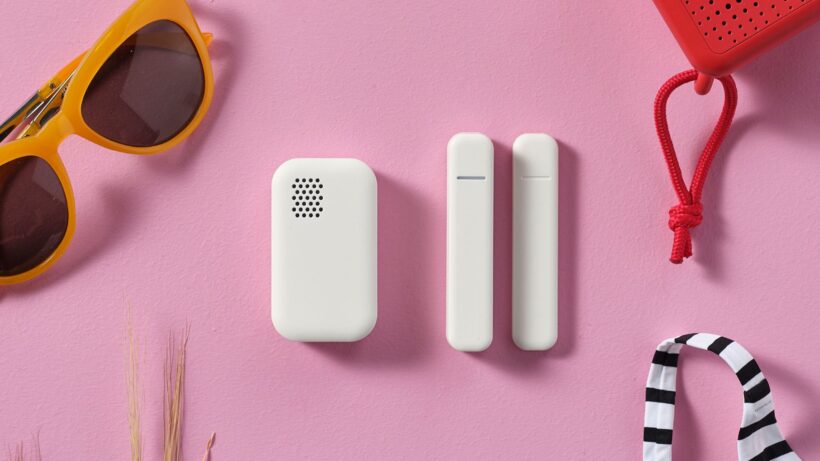
- IKEA – Known for affordable and easy-to-use smart home products, including motion and door/window sensors that integrate with their TRÅDFRI system.
- TrapX – Specializes in smart rodent detection, providing real-time alerts and insights for proactive pest management.
- Eufy – Offers a range of wireless security and environmental sensors with user-friendly apps and strong integration support. For more details, see this comprehensive guide to smart home sensors.
- First Alert – Delivers reliable smoke and CO detectors with WiFi connectivity and long battery life, ideal for meeting safety requirements in rentals.
When comparing brands, consider the ecosystem you want to build—some systems work best when all devices are from the same manufacturer, while others are more open and flexible.
Integrating Sensors for Maximum Control
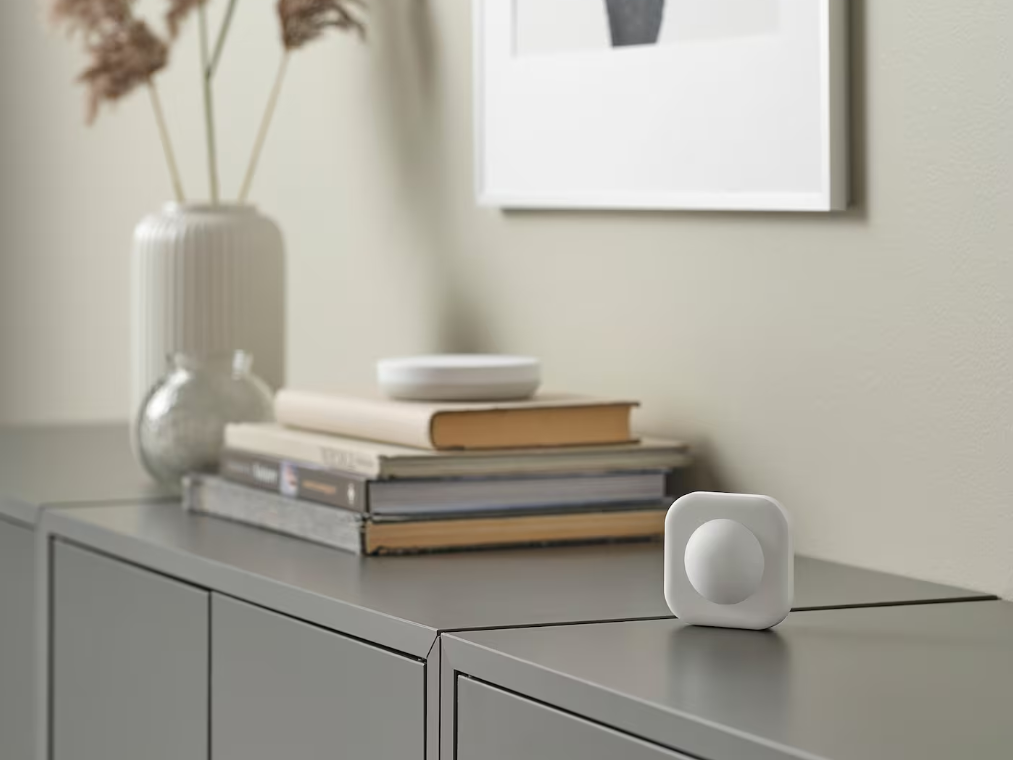
To get the most out of your wireless sensors, consider integrating them with a centralized dashboard or property management platform. This approach allows you to:
- Monitor multiple properties or units from a single interface
- Automate alerts and responses (such as shutting off water if a leak is detected)
- Generate reports for maintenance, compliance, or insurance purposes
Solutions like a smart sensor dashboard rentals platform can unify data from various devices, making it easier to stay on top of property health and guest safety.
Best Practices for Installing and Maintaining Wireless Sensors
To ensure your wifi sensors for rental homes deliver reliable performance, follow these best practices:
- Test before deployment – Set up each device and verify connectivity and alert functions before placing them in the field.
- Choose optimal locations – Install sensors in areas most prone to risk (e.g., near water heaters for leak detectors, in kitchens for smoke sensors).
- Schedule regular checks – Periodically test sensors and replace batteries as needed to avoid downtime.
- Educate tenants – Let renters know about the presence and purpose of sensors to avoid accidental tampering or removal.
By following these steps, you’ll maximize the lifespan and effectiveness of your smart monitoring system.
FAQ: Wireless Sensors in Rental Properties
Are WiFi sensors allowed in short-term rentals like Airbnb?
Yes, most platforms permit the use of non-intrusive sensors such as smoke, CO, leak, and entry sensors. However, it’s important to disclose their presence to guests and avoid installing cameras or devices in private areas. For occupancy tracking, see our guide on smart occupancy tracking airbnb.
How secure is the data from wireless sensors?
Reputable brands encrypt data and offer secure cloud storage. Always choose devices from trusted manufacturers and update firmware regularly to minimize security risks.
Can I use multiple brands of sensors in one property?
Yes, but integration may be easier if you stick to one ecosystem. If you mix brands, look for platforms or dashboards that support multi-vendor integration, such as those discussed in our article on iot data for rental properties.
Conclusion
Upgrading your rental properties with wifi sensors for rental homes is a practical way to boost security, automate maintenance, and provide a better experience for tenants and guests. By selecting the right devices, integrating them into a unified system, and following best practices for installation and maintenance, you can protect your investment and simplify property management for years to come.