
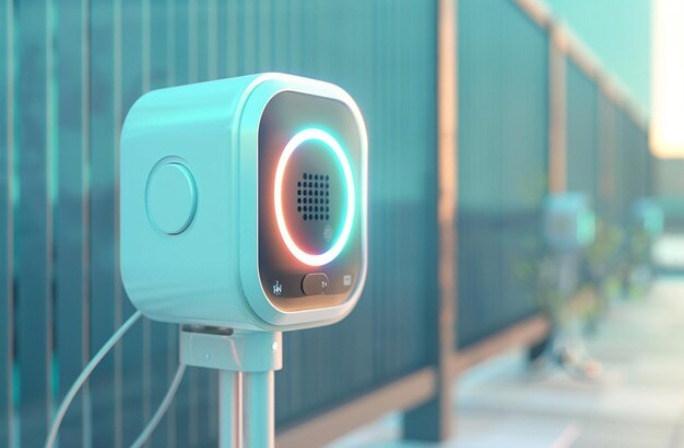

Modern landlords and property managers are increasingly turning to rental property tech stack sensors to streamline operations, improve safety, and enhance guest experiences. With the right combination of smart devices, it’s possible to monitor everything from air quality to unauthorized entry, all while reducing manual oversight and minimizing risk. This guide breaks down the essential sensor types, integration tips, and practical considerations for building a robust technology stack for rental properties.
Whether you manage a single unit or a multi-property portfolio, understanding the landscape of smart sensors is crucial. These devices not only help with compliance and security but also offer peace of mind for both owners and tenants. For those overseeing multiple units, exploring property manager smart sensors can provide additional insights into scaling sensor solutions efficiently.
Why Smart Sensors Are Essential for Modern Rentals
Integrating smart sensors into your rental property ecosystem offers a range of benefits. These devices are designed to automate monitoring, provide instant alerts, and help you stay ahead of potential issues. Here are some key reasons to consider a comprehensive sensor setup:
- Safety Compliance: Many local regulations require working smoke, carbon monoxide, and other safety sensors. Automated alerts ensure you never miss a maintenance deadline.
- Security: Entry sensors and motion detectors help prevent unauthorized access and protect both property and guests.
- Operational Efficiency: Remote monitoring reduces the need for on-site visits and manual checks, saving time and resources.
- Guest Experience: Proactive maintenance and environmental monitoring lead to better reviews and fewer complaints.
For hosts who want to stay compliant and avoid fines, leveraging smart safety compliance rentals solutions can be a game changer.
Core Components of a Rental Property Sensor Setup
Building an effective rental property tech stack sensors setup involves choosing the right mix of devices. Here are the most critical sensor types to consider:
1. Entry and Access Sensors
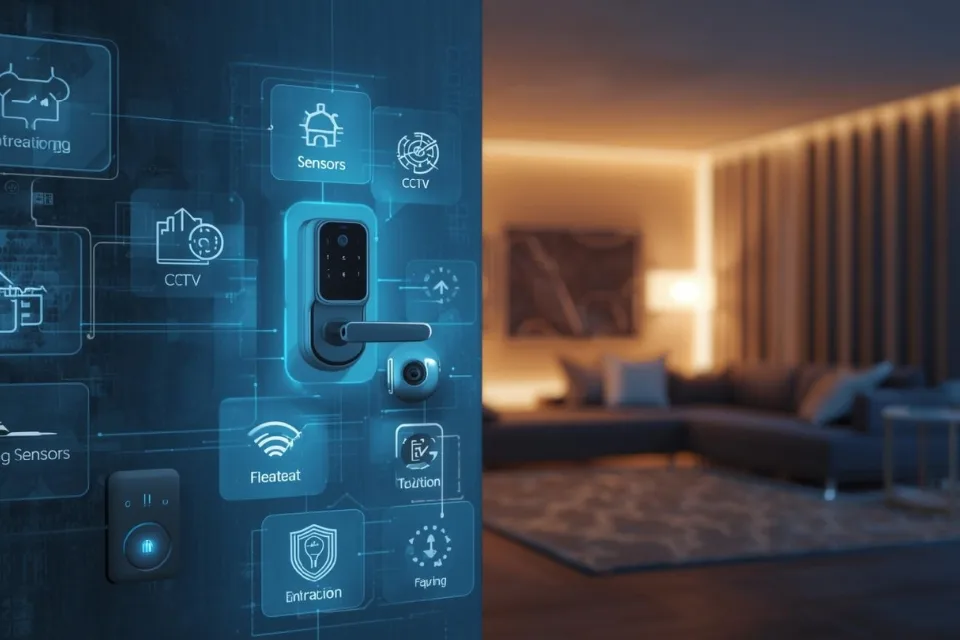
Door and window sensors detect when entry points are opened or closed. These are foundational for both security and guest management. Paired with smart locks, they allow for remote access control and real-time notifications about who enters or leaves the property.
For a deeper dive into secure entry management, check out the guide on rental property access sensors.
2. Environmental and Air Quality Sensors
Monitoring air quality, humidity, and temperature is vital for guest comfort and property preservation. Devices can alert you to issues like mold risk, excessive humidity, or poor ventilation, enabling prompt action.
3. Smoke, Fire, and Carbon Monoxide Detectors
These safety sensors are mandatory in most jurisdictions. Smart versions can send instant alerts to your phone or property management platform, ensuring you can respond quickly to emergencies.
4. Water Leak and Flood Sensors
Leaks can cause significant damage if left undetected. Placing water sensors near appliances, under sinks, and in basements allows for early intervention, reducing costly repairs and insurance claims.
5. Pest and Rodent Detection
Smart rodent detectors can identify unwanted activity before it becomes a major issue. These sensors are especially valuable in older buildings or properties located in high-risk areas.
6. Motion and Occupancy Sensors
Motion sensors are useful for both security and automation. They can trigger lights, cameras, or alarms, and help verify if a property is vacant or occupied without intrusive surveillance.
For more ideas on essential devices, see this comprehensive list of smart home sensors that every rental should consider.
Integrating Sensors Into Your Property Management Workflow
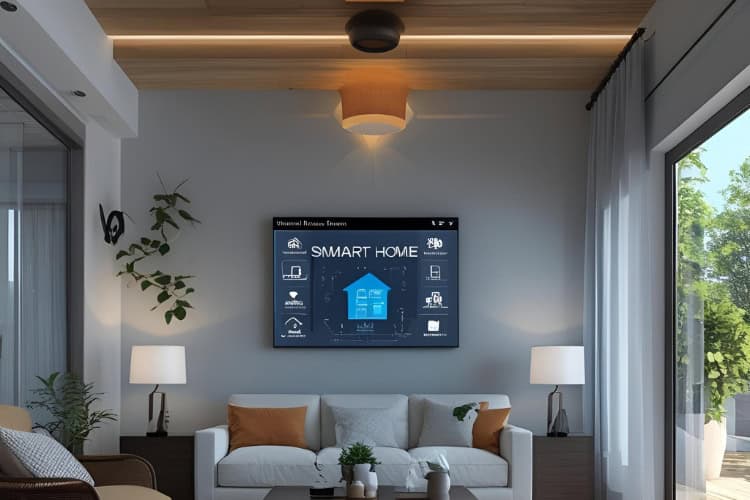
Once you’ve selected the right devices, integration is key. Many platforms allow you to connect multiple sensors into a single dashboard, making it easier to monitor and manage alerts. Here are some best practices for seamless integration:
- Centralized Monitoring: Use a unified dashboard or mobile app to receive notifications and manage devices across properties.
- Automated Alerts: Set up rules for instant notifications via SMS, email, or app push when sensors detect issues.
- Maintenance Scheduling: Automate reminders for sensor battery replacements and device testing to ensure ongoing reliability.
- Integration with Access Control: Combine entry sensors with smart locks for enhanced guest management and security.
Hosts looking to streamline notifications can benefit from a smart alert system for hosts, which centralizes property alerts for faster response times.
Security and Privacy Considerations
While smart sensors offer many advantages, it’s important to balance security with privacy. Make sure to:
- Clearly disclose all monitoring devices to guests in your property listing and welcome materials.
- Avoid placing cameras or audio sensors in private areas such as bedrooms or bathrooms.
- Choose reputable brands with strong data encryption and privacy policies.
- Regularly update device firmware to protect against vulnerabilities.
For remote access and permissions management, solutions like airbnb smart access control can help you maintain both security and guest trust.
Installation Tips and Maintenance Best Practices
Proper installation and ongoing maintenance are essential for sensor reliability. Here are some practical tips:
- Follow manufacturer guidelines for placement and setup to maximize coverage and accuracy.
- Test all sensors after installation and schedule regular checks (at least quarterly).
- Keep spare batteries and replacement units on hand for quick swaps.
- Document sensor locations and device IDs for easy troubleshooting and inventory management.
Expanding Your Tech Stack Over Time
Start with the essentials and expand as your needs evolve. As your rental business grows, consider adding:
- Smart thermostats for energy savings and remote climate control.
- Noise monitoring devices to detect parties or unauthorized gatherings.
- Advanced environmental sensors for CO2, VOCs, or radon.
- Integration with property management software for automated workflows.
Scalability is key—choose devices and platforms that can grow with your portfolio and adapt to changing regulations or guest expectations.
Frequently Asked Questions
What are the most important sensors for rental properties?
The most critical devices include smoke and carbon monoxide detectors, entry sensors for doors and windows, water leak sensors, and environmental monitors for temperature and humidity. These cover the main safety, security, and maintenance needs for most rentals.
How can I integrate multiple sensors into one system?
Many smart home platforms and property management solutions allow you to connect various sensors into a centralized dashboard. Look for systems that support integrations with popular brands and offer mobile notifications, automated rules, and reporting features.
Are smart sensors compliant with local rental regulations?
Most smart safety devices meet or exceed local requirements, but it’s important to verify compliance with your specific jurisdiction. Always check for certifications and consult local guidelines to ensure your setup is up to code.
How do I maintain and test my sensors?
Schedule regular maintenance checks, replace batteries as needed, and test all devices at least every three months. Many platforms offer automated reminders and self-test features to help you stay on top of sensor health.
Conclusion
Investing in a well-designed sensor ecosystem is one of the most effective ways to protect your rental property, streamline operations, and deliver a superior guest experience. By choosing the right devices, integrating them thoughtfully, and maintaining them regularly, you can ensure your properties remain safe, compliant, and attractive to tenants and guests alike.