
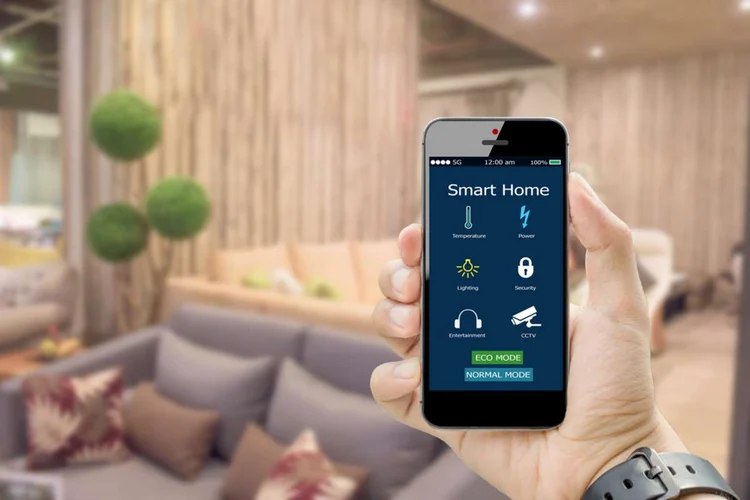

Managing access for short-term rental (STR) guests is a critical part of delivering a seamless and secure experience. Manual key handoffs and physical lockboxes can be inconvenient for both hosts and travelers, leading to delays, miscommunication, or even security risks. As the industry evolves, property owners are increasingly seeking ways to automate entry codes for guests, streamlining check-in and improving overall guest satisfaction.
In this article, we’ll explore the practical steps, tools, and best practices for setting up automated access for your rental property. Whether you’re new to smart locks or looking to upgrade your current system, this guide provides actionable advice to help you save time, reduce hassle, and enhance security.
For hosts operating in regulated areas, understanding local policies is just as important as technology adoption. If you’re interested in compliance strategies, check out our resource on airbnb zoning strategy for investors to ensure your property meets all requirements.
Why Automating Entry Codes Matters for Short-Term Rentals
Automating guest access isn’t just about convenience. It directly impacts security, guest experience, and operational efficiency. With digital locks and automated code generation, hosts can:
- Eliminate the need for physical key exchanges, reducing the risk of lost or copied keys.
- Provide flexible check-in times, accommodating late arrivals or last-minute bookings.
- Enhance property security by issuing unique codes for each stay and deactivating them after checkout.
- Save time by automating repetitive tasks and minimizing manual communication.
As more guests expect contactless entry, automating access codes has become a standard for competitive STR operators.
Choosing the Right Smart Lock System
The first step to automating entry codes for guests is selecting a smart lock that supports remote management and integration with your booking platform. Here are some key considerations:
- Compatibility: Ensure the lock works with your door type and existing hardware.
- Integration: Look for models that connect with STR platforms (like Airbnb or Vrbo) or property management systems.
- Remote Access: The ability to generate, send, and revoke codes from anywhere is essential.
- Battery Life and Backup: Opt for locks with long battery life and alternative entry methods in case of power loss.
- Guest Experience: Choose a lock that’s easy for guests to use, with clear instructions and reliable performance.
Popular brands include August, Schlage, Yale, and Google Nest. Many of these offer direct integration with STR automation tools, making it easier to manage access at scale.
Integrating Automation Tools with Your Booking Platform
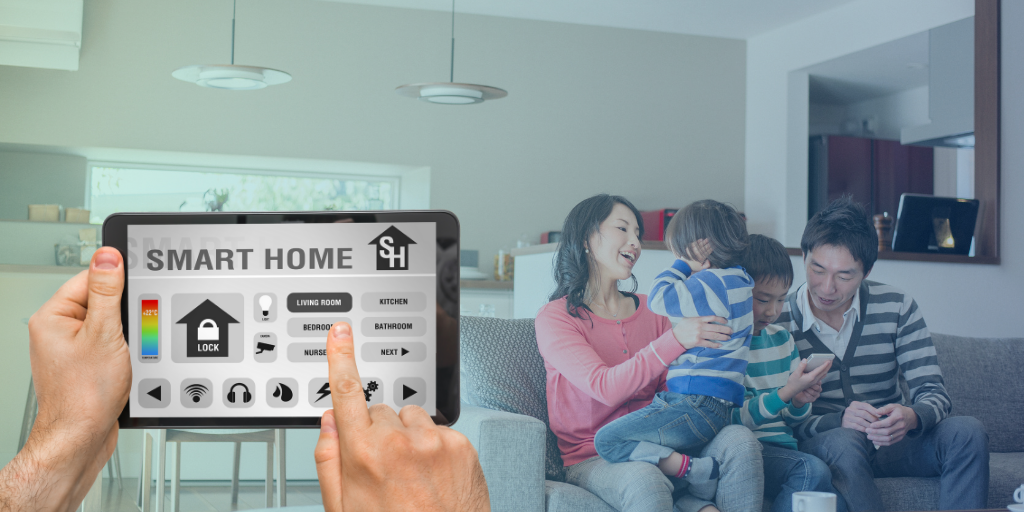
To fully automate the process, your smart lock should connect with a property management system (PMS) or a dedicated automation tool. These platforms can generate unique codes for each reservation, send them to guests automatically, and deactivate them after checkout.
Some popular automation tools for STRs include:
- RemoteLock: Integrates with Airbnb, Vrbo, and other booking platforms to automate code generation and delivery.
- Operto: Offers a suite of automation features, including access control, guest messaging, and energy management.
- August Smart Lock + Airbnb Integration: Allows hosts to sync reservations and automatically assign entry codes.
These tools reduce manual work and ensure that each guest receives the right code at the right time. They also provide audit trails and real-time notifications for added security.
For hosts in suburban or rural areas, understanding local regulations is crucial. Our article on airbnb zoning for suburban areas covers compliance tips for these markets.
Best Practices for Secure and Seamless Guest Access
While technology makes it easier to automate entry codes for guests, following best practices ensures both security and guest satisfaction:
- Use time-limited codes: Set codes to activate shortly before check-in and expire after checkout.
- Communicate clearly: Send detailed instructions on how to use the lock and what to do if issues arise.
- Monitor access logs: Regularly review entry records for unusual activity.
- Have a backup plan: Provide a secondary access method (like a lockbox or on-call support) in case of technical issues.
- Update software: Keep your smart lock firmware and automation tools up to date to prevent vulnerabilities.
These steps help maintain a secure environment and build trust with your guests.
Enhancing Your Rental with Additional Smart Home Features
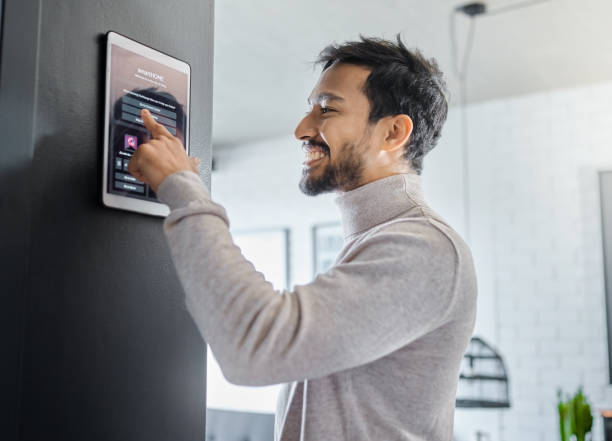
Automating guest entry is just the beginning. Many hosts are now adding other smart home devices to further improve efficiency and guest comfort. Smart thermostats, lighting, and security cameras can all be managed remotely, offering both convenience and energy savings.
For example, a smart thermostat can adjust the temperature before guest arrival, while smart lighting can create a welcoming atmosphere. These upgrades not only appeal to tech-savvy travelers but can also help reduce utility costs and streamline property management.
For a deeper dive into the future of smart rentals, see this guide to smart home rentals and automation.
Common Challenges and How to Overcome Them
While automating access is highly beneficial, hosts may encounter a few hurdles:
- Technical glitches: Occasionally, smart locks or automation tools may experience connectivity issues. Regular testing and having a backup entry method can minimize disruptions.
- Guest unfamiliarity: Not all guests are comfortable with new technology. Providing clear, step-by-step instructions and support contact details helps ease the transition.
- Integration limitations: Some older locks or platforms may not support full automation. In these cases, consider upgrading hardware or using third-party integration tools.
- Security concerns: Always use strong, unique passwords for your devices and enable two-factor authentication where possible.
Addressing these challenges proactively ensures a smooth experience for both hosts and guests.
FAQ: Automating Guest Entry for Short-Term Rentals
What are the main benefits of automating entry codes for STR properties?
The primary advantages include improved security, reduced manual work, flexible check-in times, and a better guest experience. Automated systems also allow hosts to manage multiple properties more efficiently and respond quickly to last-minute bookings.
Can I automate entry codes if I use multiple booking platforms?
Yes, many smart lock systems and automation tools support integration with several booking platforms at once. By connecting your PMS or automation software, you can generate and send unique codes for each reservation, regardless of where the booking originated.
How do I ensure my automated system is secure?
Use reputable smart lock brands, keep all software updated, enable time-limited codes, and monitor access logs regularly. Always provide guests with clear instructions and have a backup entry method available in case of technical issues.
As the short-term rental landscape continues to evolve, embracing automation for guest entry is becoming a necessity. By selecting the right technology, integrating with your booking systems, and following best practices, you can deliver a secure, convenient, and memorable experience for every guest.