
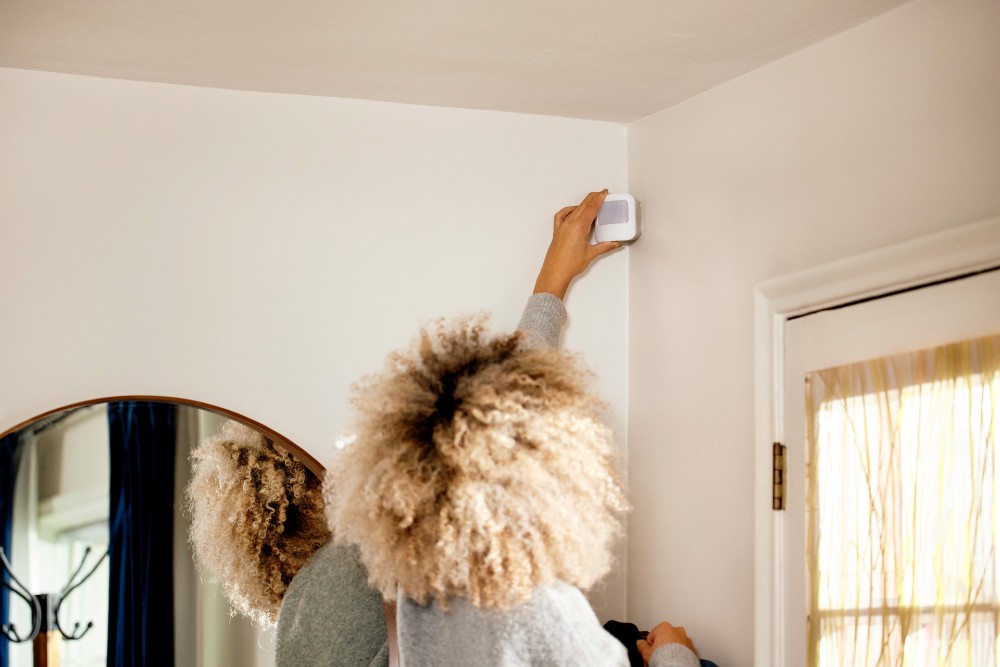

Rental property owners and managers face unique challenges when it comes to safeguarding their investments. From fire hazards to water leaks and unauthorized access, the risks are numerous and often unpredictable. Risk detection sensors rental homes have become a cornerstone of modern property protection, offering a proactive way to monitor and respond to threats before they escalate into costly incidents.
As technology evolves, so do the options for landlords and hosts seeking to protect tenants and assets. In this guide, we’ll explore how smart sensors can help prevent damage, ensure compliance, and provide peace of mind for everyone involved. For those managing multiple units, leveraging property manager smart sensors can further streamline oversight and boost efficiency across entire portfolios.
Why Smart Sensors Are Essential in Rental Properties
Traditional security systems have long been used to deter break-ins, but today’s risk detection sensors for rental homes go far beyond basic alarms. These devices can detect smoke, carbon monoxide, water leaks, motion, and even rodent activity. By providing real-time alerts, they empower property owners to act quickly, minimizing damage and liability.
For short-term rentals, compliance with local safety regulations is crucial. Smart sensors help hosts meet these requirements and demonstrate a commitment to guest safety. Integrating these technologies with a smart alert system for hosts ensures that notifications are delivered instantly to the right people, reducing response times and improving outcomes.
Types of Risk Detection Sensors for Rental Homes
There is a wide range of sensor technologies available for rental properties. Choosing the right combination depends on the specific risks associated with your property and the needs of your tenants or guests.
- Smoke and Carbon Monoxide Detectors: Essential for every rental, these sensors provide early warnings of fire or dangerous gas buildup, helping prevent injury and property loss.
- Water Leak Sensors: Placed near appliances, under sinks, or in basements, these devices alert owners to leaks before they cause significant water damage or mold growth.
- Motion Sensors: Used to detect unauthorized entry or unusual activity, motion sensors can be integrated with smart locks or cameras for enhanced security.
- Rodent and Pest Detectors: Smart rodent detectors identify the presence of pests, enabling prompt intervention and protecting both the property and tenant health.
- Door and Window Sensors: These devices monitor entry points, sending alerts if a door or window is opened unexpectedly.
Benefits of Proactive Protection for Landlords and Tenants
Installing risk detection sensors in rental homes offers tangible benefits for both property owners and occupants. The most significant advantages include:
- Early Detection and Prevention: Sensors catch issues like leaks or smoke at the earliest stage, often before they become emergencies.
- Reduced Repair Costs: Addressing problems quickly helps avoid expensive repairs and insurance claims.
- Improved Tenant Safety: Tenants feel more secure knowing that their environment is monitored for hazards.
- Regulatory Compliance: Many local laws require functioning smoke, CO, and sometimes water sensors in rental units. Smart devices make compliance easier to document and maintain.
- Remote Monitoring: Owners can check sensor status and receive alerts from anywhere, making it easier to manage properties remotely.
For those interested in managing access alongside risk detection, integrating Airbnb smart access control systems can further enhance security and convenience for both hosts and guests.
Choosing the Right Sensors for Your Rental Property
Selecting the best risk detection sensors rental homes depends on several factors, including property size, location, and the types of risks most relevant to your situation. Here are some tips to guide your decision:
- Assess Your Risks: Consider the age of the building, climate, and previous incidents to determine which threats are most likely.
- Prioritize Essential Sensors: Smoke and CO detectors are non-negotiable. Water leak and motion sensors are highly recommended for most rentals.
- Look for Smart Integration: Choose sensors that work with your existing smart home platform or property management system for centralized control and alerts.
- Ease of Installation: Wireless sensors are ideal for rentals, as they don’t require extensive wiring or permanent modifications.
- Maintenance and Battery Life: Opt for devices with long battery life and easy maintenance to minimize disruptions for tenants.
For a comprehensive overview of the top-performing smart home sensors, see this expert review of the best smart home sensors for Alexa.
Installation and Best Practices for Sensor Placement
Proper installation is key to maximizing the effectiveness of your sensor system. Here are some best practices for landlords and hosts:
- Follow Manufacturer Guidelines: Always install sensors according to the manufacturer’s instructions for optimal performance.
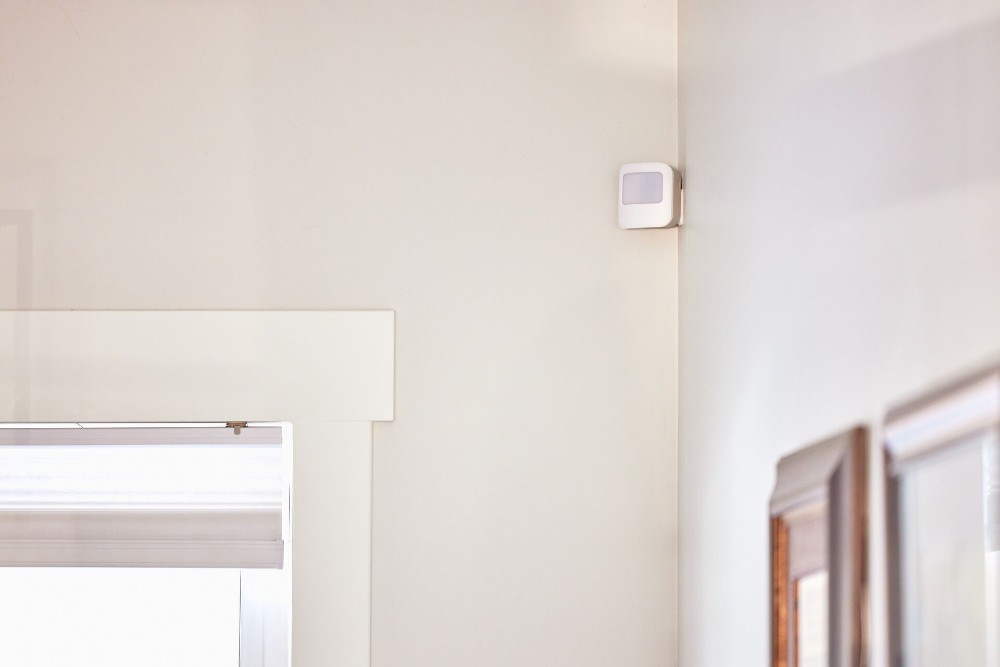
- Strategic Placement: Place smoke and CO detectors in hallways, bedrooms, and near kitchens. Water leak sensors should be positioned near appliances, water heaters, and bathrooms. Motion sensors work best in entryways and common areas.
- Test Regularly: Schedule routine tests to ensure all devices are functioning and connected to your alert system.
- Inform Tenants: Let tenants know about the sensors in place, how they work, and what to do if an alert is triggered.
- Document Compliance: Keep records of sensor installation, maintenance, and testing to demonstrate compliance with local regulations. For more details on meeting legal requirements, review the guide on smart safety compliance rentals.
Integrating Sensors With Smart Home Systems
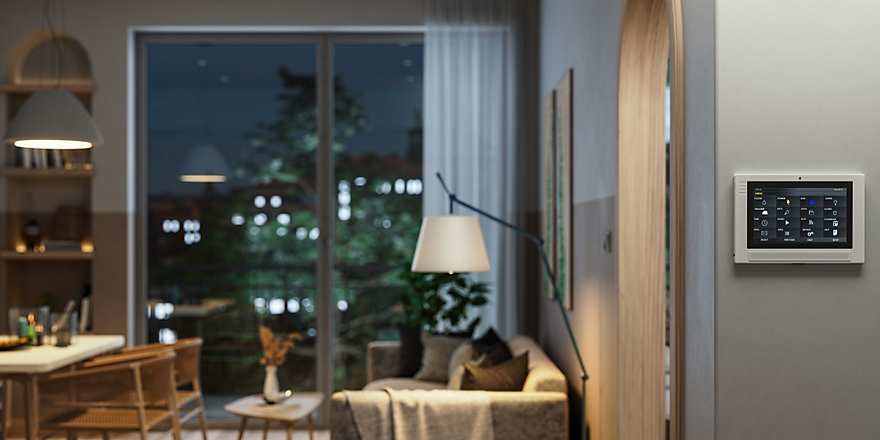
Modern risk detection sensors rental homes are designed to work seamlessly with smart home platforms, allowing for centralized control and automation. Integration offers several advantages:
- Unified Alerts: Receive all notifications in one app or dashboard, reducing the risk of missing critical information.
- Automated Responses: Link sensors to smart locks, lights, or cameras for automated actions, such as unlocking doors for emergency responders or turning on lights when motion is detected.
- Remote Management: Adjust settings, check device status, and respond to alerts from anywhere, improving convenience and oversight.
For those managing multiple properties, integrating sensors with a rental property access sensors system can further streamline operations and enhance security.
Frequently Asked Questions
What types of risks can smart sensors detect in rental properties?
Smart sensors can detect a variety of risks, including smoke, carbon monoxide, water leaks, motion, unauthorized entry, and pest activity. By monitoring these hazards, property owners can respond quickly and prevent damage or injury.
Are smart sensors difficult to install in rental homes?
Most modern sensors are wireless and designed for easy installation without the need for extensive wiring or permanent changes. Many can be set up in minutes and managed remotely via a smartphone app.
How do risk detection sensors help with regulatory compliance?
Many local laws require working smoke and carbon monoxide detectors in rental units. Smart sensors provide documentation of installation, maintenance, and testing, making it easier for landlords to prove compliance and avoid fines.
Can tenants access sensor alerts or data?
Depending on the system, tenants may receive alerts directly or be informed by the landlord or property manager. Clear communication about how sensors work and what to expect helps build trust and ensures safety protocols are followed.