
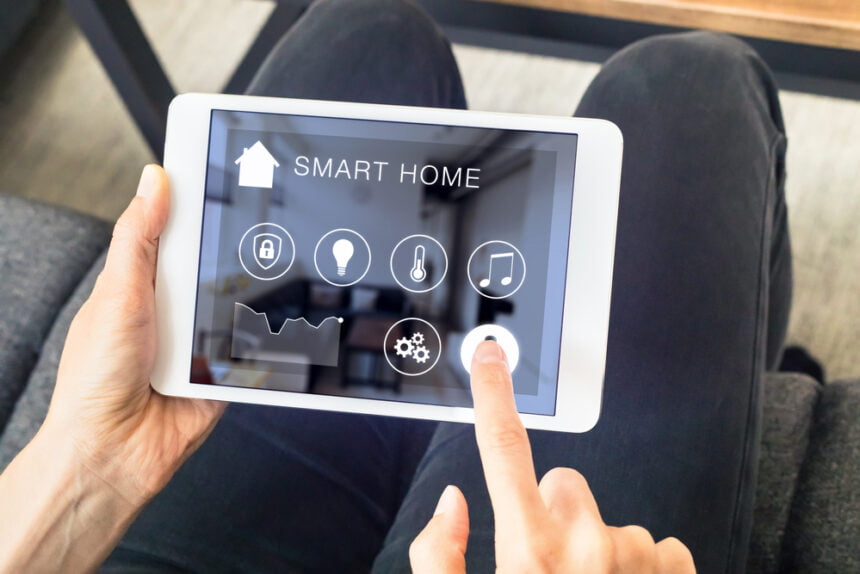

Managing entry and exit in rental properties has become more sophisticated with the rise of rental property access sensors. These smart devices help property owners and managers monitor who enters and leaves, enhance security, and streamline guest experiences. Whether you oversee a single apartment or a portfolio of short-term rentals, understanding how access sensors work and their benefits can make a significant difference in your operations.
Today’s access solutions go beyond traditional locks and keys. Modern sensors integrate with smart home systems, provide real-time alerts, and offer data-driven insights to help you maintain safety and efficiency. For those interested in a broader approach to property tech, you can explore how a rental check-in sensors system supports seamless arrivals and automates guest access.
How Access Sensors Work in Rental Environments
Access sensors are electronic devices designed to detect and log entry and exit events. In rental settings, these sensors are typically installed at main doors, gates, or even individual room entrances. They can use various technologies, such as:
- Motion detection – Senses movement near entry points.
- Contact sensors – Detects when a door or window is opened or closed.
- Keypad or card readers – Logs access via codes or RFID cards.
- Smart locks – Integrates with mobile apps for remote management.
When an event is detected, the sensor sends a notification to the property manager or owner, often via a dedicated app or email. This real-time information allows for prompt action if unauthorized access occurs or if guests need assistance.
Benefits of Smart Entry Management for Rentals
Implementing rental property access sensors delivers several advantages for both hosts and tenants:
- Enhanced security: Sensors deter unauthorized entry and provide immediate alerts if doors are left open or tampered with.
- Guest convenience: Automated check-in and check-out processes reduce friction and improve satisfaction.
- Remote monitoring: Owners can oversee access from anywhere, making it easier to manage multiple properties.
- Audit trails: Detailed logs help resolve disputes and verify compliance with rental agreements.
- Integration with other smart devices: Many sensors work alongside systems for smart utility monitoring rental property or predictive maintenance rental sensors, creating a comprehensive property management ecosystem.
Types of Sensors for Entry Management
There are several types of access sensors suitable for rental properties, each with unique features and use cases:
- Door and window contact sensors: These are small, wireless devices that alert you when an entry point is opened or closed. They are ideal for monitoring main doors, patio entrances, and even windows in ground-floor units.
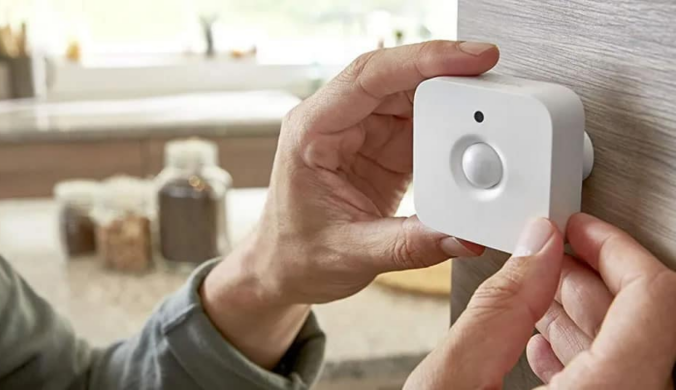
- Motion sensors: Placed near entryways or hallways, these detect movement and can trigger lights, alarms, or notifications. They are especially useful for properties with multiple access points.
- Smart locks with integrated sensors: These combine locking mechanisms with sensors that track every entry and exit. Many models allow for temporary digital keys, perfect for short-term guests.
- Keypad and card access systems: These systems log every use, providing a detailed record of who accessed the property and when.
Choosing the right combination depends on your property’s layout and your specific security needs. For example, combining contact sensors with smart locks can provide both real-time alerts and flexible access control.
Integrating Access Sensors with Smart Property Systems
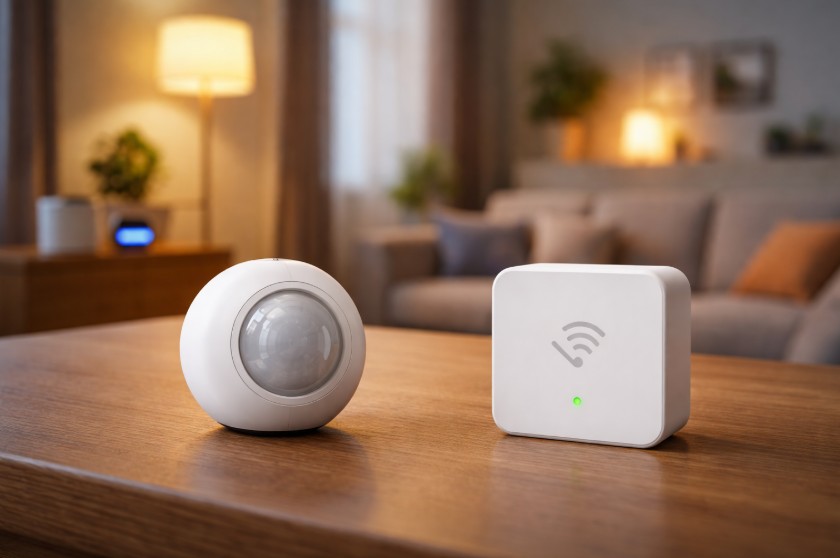
Modern rental management often involves a suite of smart devices working together. Access sensors can be integrated with other technologies, such as:
- Security cameras – Pairing sensors with cameras provides visual confirmation of entry events.
- Alarm systems – Sensors can trigger alarms if unauthorized access is detected.
- Environmental sensors – Devices like smoke or leak detectors can be linked for comprehensive safety monitoring.
- Utility and energy monitoring – Integration with smart energy monitoring rentals helps optimize energy use based on occupancy.
For a deeper understanding of how these devices fit into a connected home, see this guide to smart sensors and their role in home automation.
Best Practices for Installing and Using Entry Sensors
To maximize the effectiveness of your entry management system, consider these practical tips:
- Strategic placement: Install sensors at all main and secondary entrances, including garage doors and side gates.
- Regular maintenance: Test sensors periodically to ensure batteries are charged and devices are functioning correctly.
- Clear communication: Inform guests about the presence of sensors for transparency and to avoid misunderstandings.
- Data privacy: Use systems that comply with privacy regulations and avoid recording unnecessary personal information.
- Integration with turnover monitoring: Pairing with turnover monitoring Airbnb sensors can help you know exactly when guests leave, streamlining cleaning and maintenance scheduling.
Challenges and Considerations
While rental property access sensors offer many benefits, there are some challenges to keep in mind:
- Initial investment: Quality sensors and smart locks can be costly upfront, though they often pay off through reduced risk and operational savings.
- Technical issues: Connectivity problems or battery failures can disrupt monitoring, so redundancy and regular checks are important.
- Guest privacy concerns: Some guests may be wary of sensors. Clear policies and transparent communication help build trust.
- Compatibility: Ensure new sensors work with your existing smart home ecosystem to avoid integration headaches.
FAQ
Are Access Sensors Difficult to Install in Rental Properties?
Most modern sensors are designed for easy installation, often requiring only adhesive strips or simple screws. Wireless models are especially straightforward, making them suitable for both owners and property managers who want to avoid complex wiring.
Can I Use Access Sensors Without a Full Smart Home System?
Yes, many access sensors operate independently and send alerts via mobile apps or email. However, integrating them with a broader smart home system can enhance functionality and provide a more seamless experience for both managers and guests.
How Do Access Sensors Improve Security Compared to Traditional Locks?
Unlike standard locks, access sensors provide real-time notifications, detailed entry logs, and remote management capabilities. This allows for immediate response to unauthorized access and a clear record of all entry and exit events, which is especially valuable for short-term rentals.