
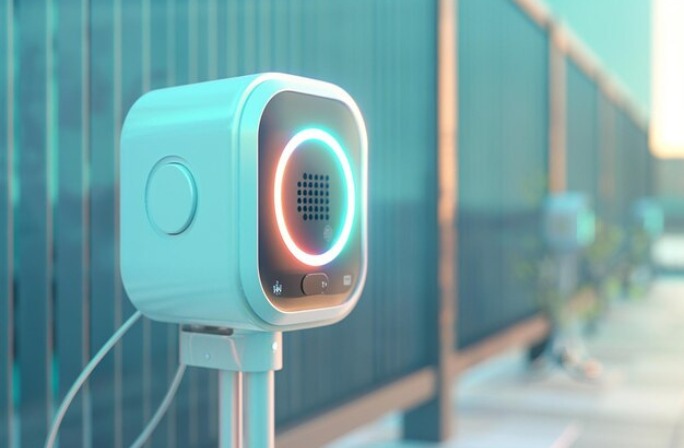

Managing guest arrivals efficiently is a top priority for property owners and managers in the short-term rental industry. A rental check-in sensors system streamlines the process, reduces manual intervention, and ensures a smooth experience for both guests and hosts. With the rise of smart technology, these solutions are becoming essential for modern rentals, offering automation, security, and peace of mind.
Whether you manage a single vacation home or a portfolio of properties, integrating sensor-based check-in systems can significantly improve operational efficiency. Not only do these tools help automate guest access, but they also provide valuable data for property monitoring and maintenance. For those interested in optimizing turnover and guest transitions, exploring turnover monitoring airbnb sensors can further enhance your rental management strategy.
Understanding Sensor-Based Check-In Solutions
Sensor-driven check-in systems use a combination of smart locks, motion detectors, and environmental sensors to automate and verify guest arrivals. These setups eliminate the need for physical key exchanges, reduce the risk of unauthorized access, and provide real-time notifications to hosts. By leveraging a rental check-in sensors system, property managers can offer contactless entry, which is increasingly preferred by guests for its convenience and safety.
Some of the most common technologies used in these systems include:
- Smart locks with keypad or mobile app access
- Motion and occupancy sensors to detect arrivals and departures
- Environmental sensors for temperature, humidity, and smoke detection
- Integration with property management software for automated notifications
These components work together to create a seamless arrival process, ensuring guests can access the property at their convenience while keeping hosts informed and in control.
Key Benefits of Automated Check-In Systems
Implementing a sensor-based entry system offers several advantages for short-term rental operators:
- Enhanced guest experience: Guests appreciate the flexibility of self-check-in, especially after long journeys or late arrivals.
- Improved security: Access codes can be changed remotely, and entry logs provide a record of who entered and when.
- Operational efficiency: Reduce the need for in-person key handoffs and minimize scheduling conflicts.
- Real-time monitoring: Receive instant alerts when guests arrive, depart, or if unusual activity is detected.
- Reduced costs: Fewer staff hours are needed for check-in duties, and maintenance can be scheduled proactively based on sensor data.
For property owners looking to maximize profitability, combining these systems with rental cost optimization sensors can further streamline operations and reduce overhead.

Types of Sensors Used in Modern Rental Properties
Today’s rental check-in sensors system options are more advanced and diverse than ever. Here are some of the most effective sensor types for rental check-in and property management:
- Entry sensors: Detect when doors or windows are opened, confirming guest arrival and departure.
- Motion sensors: Identify movement in entryways and common areas, useful for both check-in verification and security.
- Temperature and humidity sensors: Monitor indoor climate, ensuring guest comfort and alerting hosts to potential HVAC issues.
- Smoke and CO detectors: Provide vital safety alerts and can be integrated into automated notification systems.
- Rodent and pest detectors: Help maintain property hygiene and prevent guest complaints.
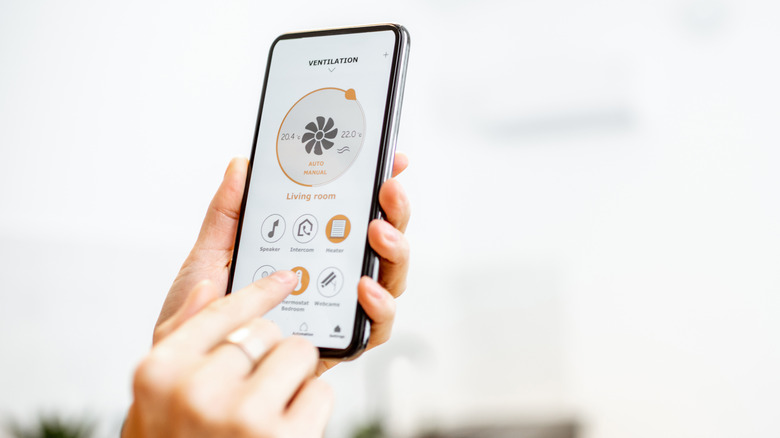
Integrating these devices with smart home platforms allows for centralized control, automated alerts, and data-driven decision-making. For instance, using smart energy monitoring rentals can help track utility usage and optimize energy costs alongside guest management.
Choosing the Right Sensor System for Your Rental
Selecting the best solution depends on your property type, guest profile, and operational needs. Here are some factors to consider:
- Integration capabilities: Ensure the system works with your existing smart home devices and property management software.
- Remote management: Look for options that allow you to update access codes, receive alerts, and monitor sensors from anywhere.
- Scalability: Choose a platform that can grow with your business, supporting multiple properties and users.
- Guest experience: Prioritize solutions that are easy for guests to use, with clear instructions and reliable performance.
- Compliance and safety: Make sure your system meets local regulations and includes essential safety features like smoke and CO detection.
For a deeper dive into smart property management, consider reading about smart utility monitoring rental property to discover how data-driven systems can further enhance efficiency and savings.
Integrating Sensors with Other Smart Rental Technologies
Modern rental management goes beyond just check-in. Integrating your rental check-in sensors system with other smart technologies can provide a comprehensive solution for property oversight. For example:
- Pairing check-in sensors with predictive maintenance rental sensors helps anticipate and resolve issues before they impact guests.
- Combining entry sensors with smart thermostats and lighting systems can automate comfort settings upon guest arrival.
- Using occupancy data to optimize cleaning schedules and reduce turnaround times between bookings.
These integrations not only improve the guest experience but also help hosts save time, reduce costs, and maintain higher standards of property care.
Best Practices for Implementing Sensor-Based Check-In
To maximize the benefits of your sensor system, follow these best practices:
- Clearly communicate check-in instructions to guests before arrival.
- Test all devices regularly to ensure reliable operation.
- Update access codes or permissions between each guest stay for security.
- Monitor sensor data to identify patterns and address recurring issues.
- Stay informed about new technologies and updates in the smart rental industry. For example, review expert insights on smart automation for rentals to keep your property ahead of the curve.
By adopting these strategies, you can ensure your rental operates smoothly, guests feel secure, and your property remains competitive in a rapidly evolving market.
FAQ: Sensor-Based Check-In for Rentals
How does a sensor-based check-in system improve guest experience?
Automated check-in allows guests to arrive at their convenience without coordinating with the host. The process is faster, more secure, and reduces the risk of lost keys or lockouts. Real-time notifications also reassure guests that their arrival has been registered.
Are these systems secure for both guests and property owners?
Yes, modern sensor systems use encrypted communication and allow hosts to update or revoke access remotely. Entry logs and alerts provide additional security, and integrating smoke or CO detectors ensures guest safety during their stay.
Can I use these systems in older properties?
Most sensor-based check-in solutions are designed for easy installation and can be retrofitted to existing doors and infrastructure. Wireless options are available for properties without modern wiring, making them suitable for a wide range of rental types.
What other benefits do sensor systems offer beyond check-in?
Beyond automating guest arrivals, these systems can help with energy management, predictive maintenance, and property monitoring. Data collected from sensors can inform cleaning schedules, maintenance needs, and even help optimize rental pricing strategies.