
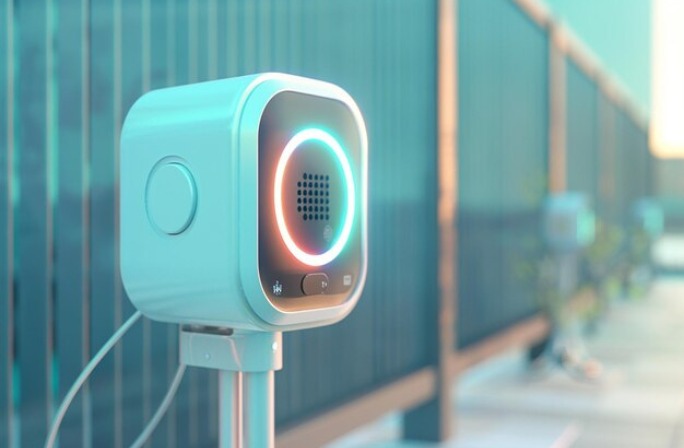

Efficient guest turnover is a cornerstone of successful short-term rental management. For hosts and property managers, knowing exactly when guests check out is crucial for scheduling cleaning, maintenance, and preparing the property for the next arrival. Turnover monitoring Airbnb sensors have emerged as a practical solution, using smart technology to detect occupancy changes and streamline operations. These systems help maximize property uptime, reduce manual checks, and enhance the overall guest experience.
With the rise of smart homes and connected devices, integrating sensor-based monitoring into rental properties is more accessible than ever. By leveraging these technologies, hosts can automate turnover detection, receive instant notifications, and optimize their workflow. This guide explores how sensor-based turnover monitoring works, the types of sensors available, and best practices for implementation.
For hosts interested in optimizing other aspects of rental management, exploring smart utility monitoring rental property solutions can further enhance efficiency and cost savings.
How Sensor-Based Turnover Detection Works
Modern turnover monitoring airbnb sensors rely on a combination of hardware and software to detect when guests leave the property. These systems typically use motion, door, or environmental sensors to monitor activity and occupancy. When the system detects a prolonged period of inactivity or a specific sequence of events—such as the main door opening and closing with no further movement—it can infer that guests have checked out.
Notifications are then sent to hosts or cleaning teams, allowing them to act promptly. This automation reduces the need for manual communication or physical inspections, saving time and minimizing the risk of missed turnovers.
Types of Sensors Used for Turnover Monitoring
There are several types of sensors that can be integrated into a short-term rental for effective turnover detection. Each has its own strengths and is suited to different property layouts and management needs:
- Motion Sensors: Detect movement within rooms and common areas. When no motion is detected for a set period, the system can assume the property is vacant.
- Door/Window Sensors: Monitor when doors or windows are opened or closed. A sequence of the front door opening, closing, and no further activity can signal guest departure.
- Environmental Sensors: Devices that track changes in temperature, humidity, or air quality. A sudden drop in CO2 levels or temperature may indicate that the property is empty.
- Smart Locks: Some smart locks can log entry and exit events, providing another layer of occupancy data.
Combining multiple sensor types increases accuracy and reduces false positives, ensuring that notifications are reliable and actionable.
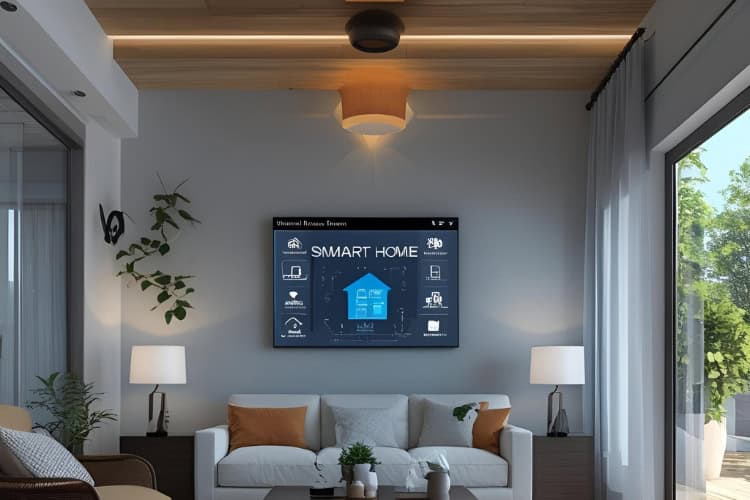
Benefits of Automated Turnover Alerts
Implementing turnover monitoring airbnb sensors offers several tangible benefits for hosts and property managers:
- Faster Cleaning and Maintenance: Immediate notifications allow cleaning teams to start work as soon as the property is vacant, reducing downtime between bookings.
- Improved Guest Experience: Ensures the property is always ready for the next guest, leading to better reviews and higher occupancy rates.
- Operational Efficiency: Reduces the need for manual check-ins or communication, freeing up time for hosts to focus on other tasks.
- Enhanced Security: Continuous monitoring helps detect unauthorized access or unexpected activity, adding a layer of safety for both guests and property.
For hosts managing multiple properties, these systems can be scaled and integrated into a smart sensor network vacation rentals solution, centralizing monitoring and simplifying management.
Choosing the Right Sensors for Your Rental
Selecting the best sensors depends on the property layout, guest turnover patterns, and integration needs. Here are a few considerations:
- Coverage: Ensure that all entry points and key living areas are monitored. For larger properties, a combination of motion and door sensors is often necessary.
- Integration: Choose sensors that work with your existing smart home platform or property management system for seamless automation.
- Privacy: Opt for non-intrusive sensors that respect guest privacy, such as motion or door sensors rather than cameras.
- Reliability: Look for devices with strong battery life, reliable connectivity, and proven performance in rental environments.
For a comprehensive overview of essential smart home devices, see this guide to must-have smart home sensors.
Integrating Turnover Monitoring With Other Smart Solutions
Turnover monitoring is just one aspect of a fully connected rental property. Integrating these sensors with other smart solutions can further enhance operational efficiency and cost savings. For example, pairing occupancy sensors with smart energy monitoring rentals allows you to automate HVAC and lighting based on real-time occupancy, reducing energy waste and utility costs.
Additionally, combining turnover detection with predictive maintenance rental sensors can help identify and address issues before they become costly repairs, ensuring the property remains in top condition for every guest.
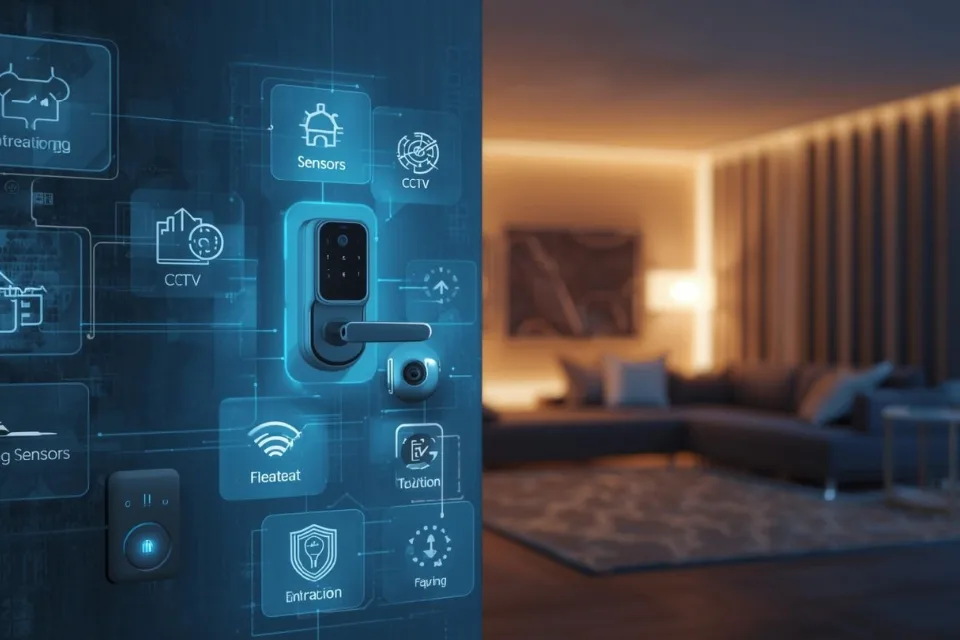
Best Practices for Sensor Placement and Use
To maximize the effectiveness of turnover monitoring, consider these best practices:
- Strategic Placement: Install sensors near main entry/exit points and in high-traffic areas. Avoid placing motion sensors in locations where pets or external movement could trigger false alerts.
- Regular Maintenance: Test sensors periodically and replace batteries as needed to ensure continuous operation.
- Clear Communication: Inform guests about the presence and purpose of sensors in your house rules or welcome materials, emphasizing privacy and security.
- Data Integration: Use platforms that allow you to view sensor data alongside booking and cleaning schedules for a unified management experience.
For hosts focused on profitability, integrating these systems with rental cost optimization sensors can further streamline expenses and maximize returns.
FAQ
Are turnover monitoring sensors intrusive to guests?
No, most systems use non-intrusive devices like motion or door sensors that do not record audio or video. These tools are designed to respect guest privacy while helping hosts manage property operations efficiently.
Can turnover monitoring be integrated with cleaning schedules?
Yes, many platforms allow sensor data to trigger notifications or automatically update cleaning schedules. This ensures that cleaning teams are alerted as soon as the property is vacant, reducing turnaround time.
What are the main advantages of using automated turnover detection?
Automated systems provide real-time alerts, reduce manual checks, improve scheduling, and help maintain a high standard of cleanliness and readiness for each guest. They also support better security and operational efficiency.
Do I need a smart home hub to use these sensors?
While some sensors require a hub for integration and automation, many modern devices connect directly to Wi-Fi and can be managed through dedicated apps or cloud platforms. Check compatibility with your existing setup before purchasing.