


Short-term rental hosts face unique challenges when it comes to managing utility costs and ensuring responsible energy use. With the rise of smart energy monitoring rentals, property owners can now track electricity, water, and gas consumption in real time, leading to better cost control, improved guest experiences, and a more sustainable operation. This guide explores how these technologies work, their benefits for Airbnb and vacation rental hosts, and what to consider when implementing them in your property.
By integrating smart sensors and monitoring systems, hosts gain actionable insights into how energy is used, spot inefficiencies, and even automate responses to abnormal usage. These solutions not only help reduce expenses but also support eco-friendly hosting, which is increasingly important to today’s travelers. For those looking to further optimize their rental operations, exploring energy saving sensors rental homes can provide additional strategies for reducing utility bills and enhancing guest comfort.
Why Real-Time Usage Tracking Matters for Short-Term Rentals
Managing a rental property involves more than just handing over the keys. Utility costs can quickly add up, especially when guests are unaware of their consumption or leave appliances running unnecessarily. Real-time tracking with smart energy monitoring rentals empowers hosts to:
- Identify and address excessive energy use before it leads to high bills.
- Detect unusual patterns that may indicate maintenance issues or unauthorized use.
- Encourage guests to adopt energy-saving behaviors by providing feedback or incentives.
- Demonstrate a commitment to sustainability, which can attract eco-conscious travelers.
With instant access to consumption data, hosts can make informed decisions, set usage alerts, and even automate certain actions, such as turning off HVAC systems when the property is vacant.
Key Features of Smart Energy Monitoring Solutions
Modern monitoring systems for rentals offer a range of features designed to simplify energy management. Some of the most valuable capabilities include:
- Real-time data visualization: View up-to-the-minute usage statistics from any device.
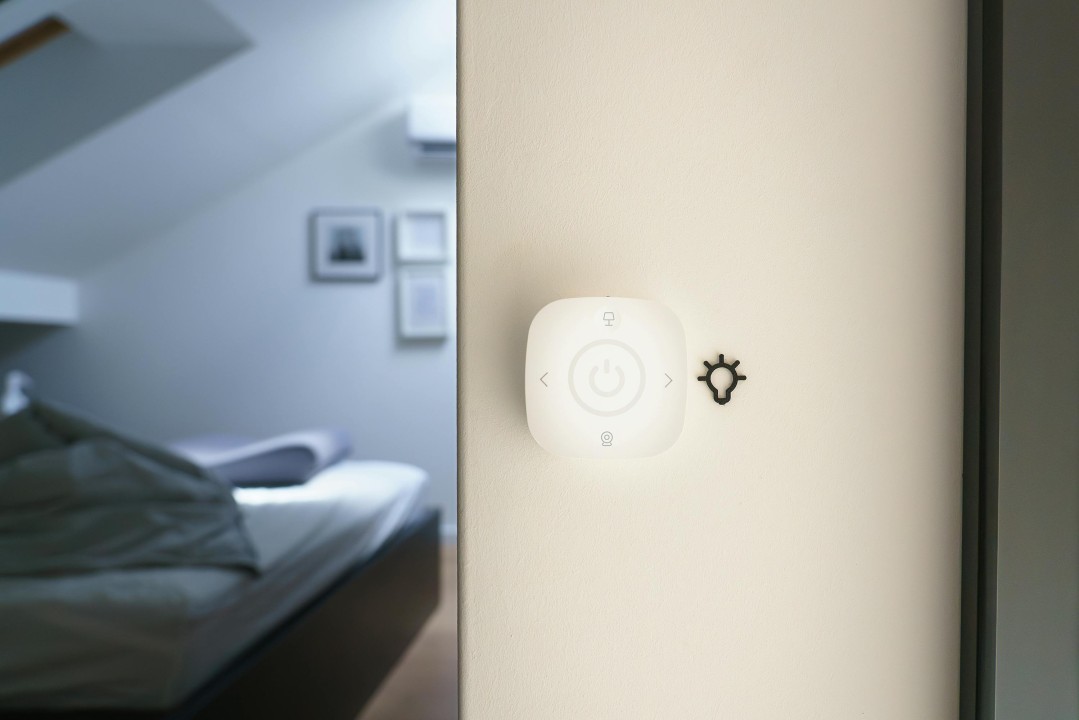
- Remote control: Adjust thermostats, lights, or appliances from afar, ensuring nothing is left running between stays.
- Automated alerts: Receive notifications if consumption exceeds set thresholds or if devices are left on unexpectedly.
- Historical analytics: Track trends over time to identify opportunities for efficiency improvements.
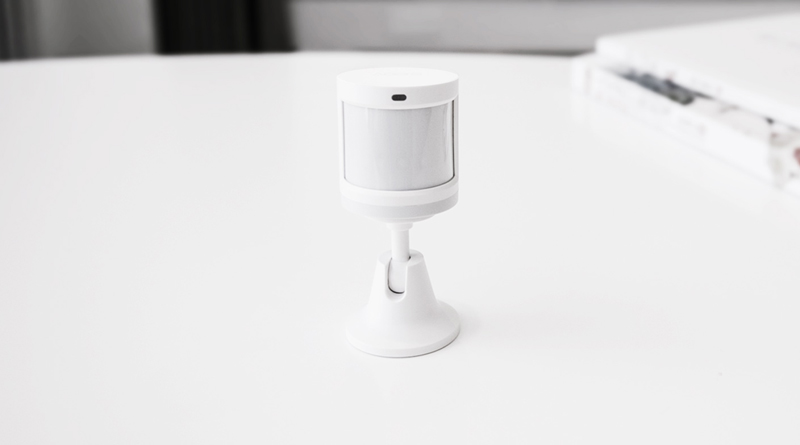
- Integration with smart home platforms: Many systems work seamlessly with IoT hubs, allowing unified control of all connected devices. Learn more about integrating devices with an iot hub for rental smart devices.
Choosing a solution that fits your property’s needs and your technical comfort level is essential for maximizing the benefits of smart monitoring.
How to Implement Smart Energy Monitoring in Your Rental
Getting started with smart energy monitoring rentals doesn’t require a complete overhaul of your property. Here’s a step-by-step approach to integrating these systems:
- Assess your needs: Consider which utilities (electricity, water, gas) you want to monitor and whether you need individual appliance tracking or whole-home solutions.
- Choose compatible devices: Look for sensors and meters that work with your existing infrastructure and smart home platforms. For a wide selection, explore smart home sensors for rentals from reputable manufacturers.
- Install and configure: Many devices are designed for easy installation and can be set up without professional help. Follow manufacturer instructions for optimal placement and connectivity.
- Integrate with management tools: Connect your monitoring system to property management software or IoT hubs for centralized control. Discover more about scaling your setup with a smart sensor network vacation rentals.
- Set usage policies and alerts: Define acceptable consumption levels and configure notifications for abnormal activity.
- Educate guests: Provide clear instructions and encourage responsible usage. Some hosts display real-time dashboards or offer incentives for energy-saving behavior.
With the right setup, you’ll be able to monitor and manage your property’s energy use from anywhere, giving you peace of mind and greater control over your expenses.
Benefits of Smart Energy Monitoring for Hosts and Guests
Adopting real-time tracking and automation tools offers tangible advantages for both property owners and their guests:
- Cost savings: By identifying wasteful habits and addressing issues quickly, hosts can significantly reduce monthly utility bills.
- Operational efficiency: Automated alerts and remote controls streamline property management, saving time and reducing manual intervention.
- Guest satisfaction: Guests appreciate comfortable, well-maintained spaces and may be more likely to leave positive reviews when they see sustainability efforts in action.
- Regulatory compliance: In some regions, energy efficiency standards for rentals are becoming stricter. Monitoring systems help ensure compliance and provide documentation if needed.
- Environmental impact: Lowering energy consumption reduces your property’s carbon footprint, aligning your business with global sustainability goals.
For hosts managing multiple properties or looking to optimize operations further, leveraging property management sensor data can provide deeper insights and drive smarter business decisions.
Choosing the Right Smart Monitoring Devices
The market for smart sensors and meters is growing rapidly, with options for every budget and property type. When selecting devices for your rental, consider:
- Compatibility: Ensure devices work with your existing Wi-Fi network, smart home hub, or property management system.
- Ease of use: Look for intuitive interfaces and straightforward installation processes.
- Data privacy: Choose reputable brands that prioritize secure data handling and guest privacy.
- Scalability: If you manage multiple units, opt for solutions that can be expanded or centrally managed.
- Support and updates: Reliable customer support and regular firmware updates are important for long-term performance.
For hosts seeking to automate more aspects of their rental business, exploring smart rental automation tools can further streamline operations and enhance guest experiences.
FAQ: Smart Energy Monitoring in Short-Term Rentals
How difficult is it to install smart energy monitoring devices in a rental property?
Most modern sensors and meters are designed for easy installation, often requiring only basic tools and minimal technical knowledge. Many are wireless and can be set up in under an hour. However, for whole-home monitoring or integration with complex systems, professional installation may be recommended.
Can guests access or control the monitoring system?
While guests typically do not have direct access to the backend data, some hosts choose to display real-time usage dashboards or provide feedback on consumption. This can encourage responsible behavior without compromising privacy or security.
What happens if abnormal energy usage is detected?
Most systems allow hosts to set customizable alerts for unusual consumption patterns. When triggered, you can investigate remotely, contact guests, or take automated actions such as shutting off specific circuits or appliances if needed. This proactive approach helps prevent costly issues and ensures guest safety.
Conclusion: Making the Most of Smart Monitoring in Your Rental
Implementing smart energy monitoring rentals is a practical, cost-effective way to manage utility expenses, promote sustainability, and deliver a better experience for guests. With the right devices and strategies in place, hosts can gain real-time visibility into consumption, automate responses to potential issues, and build a reputation for responsible, efficient property management. As technology continues to evolve, embracing these tools will become an essential part of successful short-term rental operations.