

Managing a modern rental property increasingly means dealing with a variety of smart devices—locks, thermostats, cameras, sensors, and more. For property owners and managers, the challenge isn’t just installing these gadgets, but making sure they work together seamlessly. That’s where a central IoT hub for rental smart devices comes into play, offering unified control, improved efficiency, and a better experience for both hosts and guests.
With the right hub, you can connect, monitor, and automate everything from security systems to environmental sensors. This guide explores how centralized platforms simplify operations, support hands-off hosting, and help you get the most out of your investment in smart technology. For those interested in diving deeper into the practicalities of sensor selection and setup, the wifi sensors for rental homes resource offers additional insights tailored to rental environments.
Why Centralized Control Matters for Rental Properties
Short-term rentals and multi-unit properties often have a mix of devices from different brands and ecosystems. Without a unified system, managing these devices can become time-consuming and error-prone. A centralized IoT hub bridges this gap by providing a single interface to control, automate, and monitor all connected devices, regardless of manufacturer.
- Efficiency: Streamline daily operations by automating check-ins, check-outs, and maintenance alerts.
- Security: Monitor entry points, detect motion, and receive instant notifications if something is amiss.
- Guest Experience: Offer guests easy access to smart features, such as climate control or keyless entry, without exposing sensitive settings.
- Energy Savings: Automate thermostats and lighting to reduce utility costs when units are vacant.
For property managers seeking to optimize operations further, leveraging property management sensor data can unlock actionable insights and streamline decision-making.
Key Features of an IoT Hub for Rental Smart Devices
When selecting a hub for your rental property, it’s important to consider the following features to ensure compatibility and ease of use:
- Multi-Protocol Support: Look for hubs that support Zigbee, Z-Wave, WiFi, and Bluetooth to maximize device compatibility.
- Remote Access: Manage and monitor your property from anywhere using a secure mobile app or web dashboard.
- Automation Rules: Set up routines, such as turning off lights when guests check out or adjusting thermostats based on occupancy.
- User Management: Grant temporary access to cleaners, maintenance staff, or guests without sharing your main credentials.
- Integration with Property Management Tools: Sync your hub with booking platforms or automation tools for seamless operations.
For those interested in a hands-off approach, exploring smart rental automation tools can further enhance the efficiency and scalability of your property management strategy.
Popular Devices to Connect with Your Rental IoT Platform
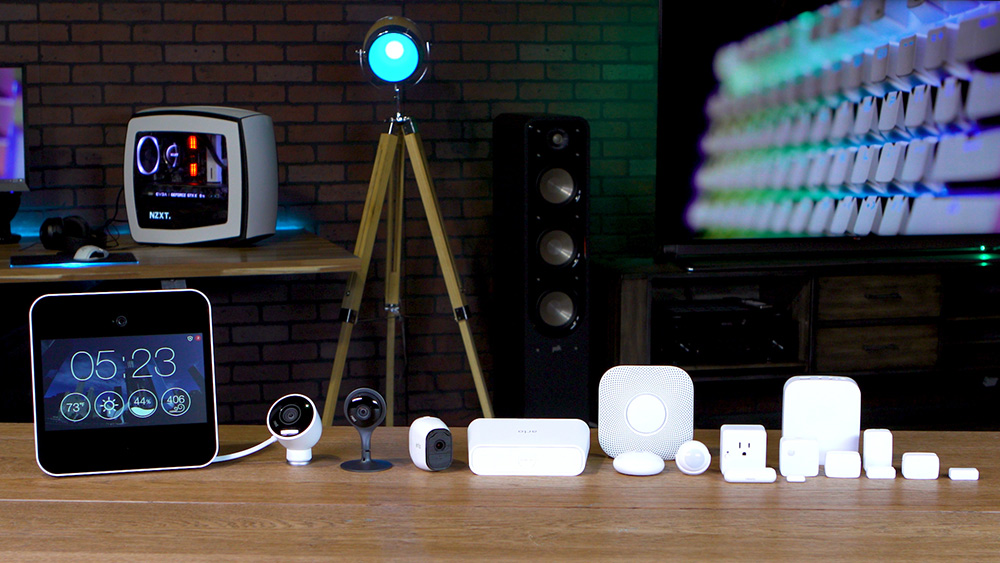
Modern rental units benefit from a wide range of smart devices. The most commonly integrated devices include:
- Smart Locks: Enable keyless entry and automate guest access codes.
- Environmental Sensors: Detect smoke, carbon monoxide, humidity, and temperature changes for safety and comfort.
- Security Cameras: Monitor entrances and common areas for enhanced security.
- Leak Detectors: Receive alerts about water leaks before they cause major damage.
- Motion Sensors: Automate lighting and monitor occupancy for energy savings.
For a deeper understanding of how these sensors work together to automate your property, see this comprehensive guide to smart sensors and home automation.

Integrating and Managing Devices with a Unified Platform
Setting up a hub for rental smart devices typically involves a few straightforward steps:
- Choose a hub that supports the protocols and brands you plan to use.
- Connect the hub to your property’s WiFi and follow the setup instructions via the manufacturer’s app or web portal.
- Add devices one by one, ensuring each is recognized and controllable from the central dashboard.
- Configure automation rules, alerts, and user permissions to match your property’s needs.
For those managing multiple properties or units, many platforms offer dashboards that allow you to oversee all locations from a single login. This centralized approach not only saves time but also reduces the risk of oversight or error.
To ensure the best guest experience and operational efficiency, consider integrating your hub with broader smart home solutions. For example, smart home integration rentals can help you create a seamless environment that delights guests and simplifies management.
Benefits of Using a Central IoT Hub for Rentals
Adopting a unified platform for your rental’s smart devices delivers several tangible advantages:
- Reduced Complexity: No need to juggle multiple apps or remember different logins for each device.
- Improved Security: Centralized monitoring and alerting help you respond quickly to incidents.
- Operational Savings: Automation reduces manual labor and lowers energy costs.
- Scalability: Easily add new devices or expand to additional properties as your portfolio grows.
- Data Insights: Collect and analyze usage data to optimize operations and anticipate maintenance needs. For more on leveraging this data, see iot data for rental properties.
Best Practices for Secure and Efficient Management
To maximize the value of your IoT hub for rental smart devices, keep these best practices in mind:
- Regularly update firmware and software to patch security vulnerabilities.
- Use strong, unique passwords and enable two-factor authentication where possible.
- Limit guest and staff access to only the devices and features they need.
- Back up device configurations and automation rules to speed up recovery after hardware failures.
- Monitor device health and connectivity to catch issues before they impact guests.
By following these guidelines, you can ensure your rental property remains secure, efficient, and attractive to tech-savvy guests.
FAQ
What Is an IoT Hub and Why Is It Important for Rentals?
An IoT hub acts as a central controller that connects and manages all your smart devices from one platform. For rental properties, this means easier automation, improved security, and a better guest experience without the hassle of managing each device separately.
Can I Add New Devices to My Rental’s IoT Hub Later?
Yes, most modern hubs are designed to be flexible and scalable. You can add compatible devices at any time, allowing your smart rental setup to grow with your needs.
How Do I Ensure My Rental’s Smart Devices Are Secure?
Keep all device firmware and hub software up to date, use strong passwords, enable two-factor authentication, and restrict access to only those who need it. Regularly review user permissions and monitor device activity for unusual behavior.