
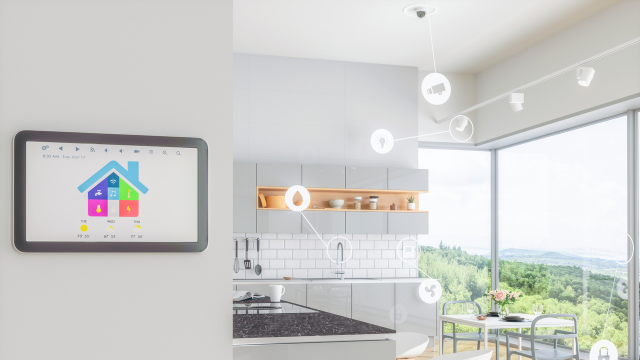

The rapid adoption of smart devices in rental homes is transforming how property managers and owners operate. By leveraging IoT data for rental properties, businesses can unlock new efficiencies, improve tenant satisfaction, and protect their investments. This article explores practical strategies for using connected technology insights to boost your rental business, from optimizing maintenance to enhancing security and energy management.
Whether you manage a handful of units or oversee a large portfolio, understanding how to harness data from smart sensors and devices can give you a significant edge. We’ll break down the types of IoT data available, actionable use cases, and best practices for integrating these insights into your daily operations.
For a deeper look at how smart sensors can help prevent damage in rental property sensors and minimize costly repairs, check out our dedicated resource.
Understanding IoT Data in the Rental Industry
IoT, or the Internet of Things, refers to the network of physical devices—such as thermostats, leak detectors, cameras, and smoke alarms—that collect and share data over the internet. In rental properties, these devices generate a continuous stream of information about the environment, occupancy, and equipment status. When properly analyzed, this IoT data for rental properties provides actionable insights that can help property managers make smarter decisions and deliver better service.
Common types of IoT data collected in rental settings include:
- Environmental Data: Temperature, humidity, air quality, and noise levels.
- Security Data: Door and window sensor status, motion detection, and camera footage.
- Utility Usage: Real-time and historical data on electricity, water, and gas consumption.
- Maintenance Alerts: Leak detection, smoke or CO alarms, and appliance diagnostics.
Key Benefits of Leveraging IoT Insights
Integrating smart technology into your rental business offers several advantages:
- Proactive Maintenance: Receive instant alerts about leaks, smoke, or unusual equipment behavior, allowing you to address issues before they escalate.
- Energy Efficiency: Analyze usage patterns to optimize heating, cooling, and lighting, reducing utility costs for both owners and tenants.
- Enhanced Security: Monitor access points and common areas remotely, deterring unauthorized entry and improving tenant safety.
- Better Tenant Experience: Offer conveniences like smart locks, climate control, and quick response to maintenance needs, which can increase tenant satisfaction and retention.
- Data-Driven Decisions: Use trends and analytics to inform renovations, set competitive rental rates, and plan for future investments.
Practical Applications for Smart Property Management
There are several ways to put IoT data for rental properties to work in your business. Here are some of the most impactful use cases:
1. Automated Maintenance and Damage Prevention
Smart sensors can detect water leaks, temperature fluctuations, or smoke, sending real-time alerts to property managers. This enables you to respond quickly, minimizing property damage and costly repairs. For more on this, see our guide on smart sensors for property damage prevention.
2. Energy and Utility Optimization
By analyzing data from smart thermostats, lighting systems, and utility meters, you can identify patterns of excessive consumption and adjust settings for optimal efficiency. This not only lowers operating costs but also appeals to eco-conscious tenants.
3. Enhanced Security and Access Control
IoT-enabled locks, cameras, and motion sensors help monitor who enters and exits the property. These systems can be integrated with mobile apps, allowing remote access management and real-time notifications. This is especially valuable for short-term rentals and multi-unit buildings.
4. Guest Monitoring and Compliance
For short-term rentals, monitoring occupancy and noise levels helps ensure guests comply with house rules and local regulations. Devices like noise sensors and occupancy monitors can send alerts if thresholds are exceeded, helping you maintain good relationships with neighbors and avoid fines. For more insights, explore our article on airbnb guest monitoring sensors.
5. Data-Driven Investment Decisions
Aggregating and analyzing data from multiple properties allows you to spot trends, such as seasonal occupancy patterns or recurring maintenance issues. These insights can inform renovation priorities, pricing strategies, and expansion plans.
Best Practices for Implementing IoT Solutions
To maximize the value of smart technology in your rental business, consider these practical tips:
- Choose Reliable Devices: Opt for sensors and systems from reputable brands with a track record of accuracy and durability.
- Ensure Data Privacy: Be transparent with tenants about what data is collected and how it is used. Comply with all relevant privacy laws.
- Integrate with Property Management Software: Look for IoT solutions that can connect with your existing management platforms for seamless operations.
- Regularly Review Analytics: Set aside time to analyze the data and adjust your processes based on actionable insights.
- Stay Updated: The smart home landscape evolves quickly. Keep up with new devices and standards to maintain a competitive edge. For more guidance, see our rental home smart tech guide.
Choosing the Right Sensors and Devices
The selection of IoT devices should be tailored to your property type, tenant needs, and business goals. Some of the most impactful devices for rental properties include:
- Smart thermostats for climate control and energy savings
- Leak and moisture sensors for early water damage detection
- Smoke and CO detectors with remote alerts
- Smart locks and access control systems
- Noise and occupancy sensors for guest compliance
For a comprehensive overview of available options, including installation tips and compatibility advice, refer to our airbnb property monitoring system resource.
Integrating IoT Data with Other Technologies
To fully realize the benefits of smart property management, it’s important to connect IoT data with other digital tools. Many property management software platforms now offer integrations with popular smart home devices, allowing for centralized monitoring and automation. This can streamline workflows, reduce manual tasks, and provide a holistic view of your portfolio’s performance.
For example, integrating environmental sensors with maintenance scheduling tools can automatically generate work orders when a leak or abnormal temperature is detected. Similarly, linking access control data with guest check-in systems can simplify turnover processes and enhance security.
For more information on the latest advancements in smart home sensors and their applications, see this in-depth article on smart home sensors.
Frequently Asked Questions
What types of IoT data are most valuable for rental property owners?
Environmental monitoring (temperature, humidity, air quality), security alerts (door/window sensors, cameras), utility usage, and maintenance notifications are among the most valuable data types. These insights help owners proactively address issues, reduce costs, and improve tenant satisfaction.
How can IoT data improve tenant experience?
By using smart devices, property managers can offer conveniences like remote climate control, quick maintenance response, and enhanced security. This leads to higher tenant satisfaction, increased retention, and positive reviews.
Are there privacy concerns with using IoT devices in rentals?
Yes, privacy is an important consideration. Property managers should inform tenants about what data is collected, how it is used, and ensure compliance with privacy regulations. Devices should only collect necessary data and avoid monitoring private areas.
Conclusion
Embracing IoT data for rental properties can transform how you manage, maintain, and grow your rental business. From reducing costs and preventing damage to enhancing tenant experience and making informed investment decisions, the benefits are clear. By selecting the right devices, integrating them with your management systems, and acting on data-driven insights, you can stay ahead in a competitive market and deliver exceptional value to both owners and tenants.