


Smart sensors for property damage prevention are transforming how property owners, landlords, and short-term rental hosts protect their investments. These intelligent devices provide real-time monitoring and instant alerts, helping to catch leaks, smoke, motion, and other risks before they escalate into costly repairs or safety hazards. Whether you manage a vacation rental, own a second home, or simply want to safeguard your primary residence, integrating these technologies can offer both security and convenience.
With the rise of connected homes and the Internet of Things (IoT), property managers and homeowners now have access to a wide range of sensor solutions. These devices not only help prevent water, fire, and pest damage but also support insurance compliance and improve guest experiences. For those interested in more comprehensive advice on choosing and installing these devices, the rental home smart tech guide provides an in-depth look at the best practices and products available.
How Smart Sensors Help Prevent Property Damage
The main advantage of using smart sensors for property damage prevention is their ability to detect issues early. Traditional alarms often only notify you after a problem has occurred, but modern sensors can identify risks before they become emergencies. Here are some of the most common types of smart sensors used in property protection:
- Water leak detectors – These sensors are placed near appliances, pipes, or basements to detect leaks or flooding. Early detection can prevent mold growth and structural damage.
- Smoke and carbon monoxide alarms – Smart versions of these detectors send instant alerts to your phone, even when you’re away, ensuring you can act quickly in case of fire or gas leaks.
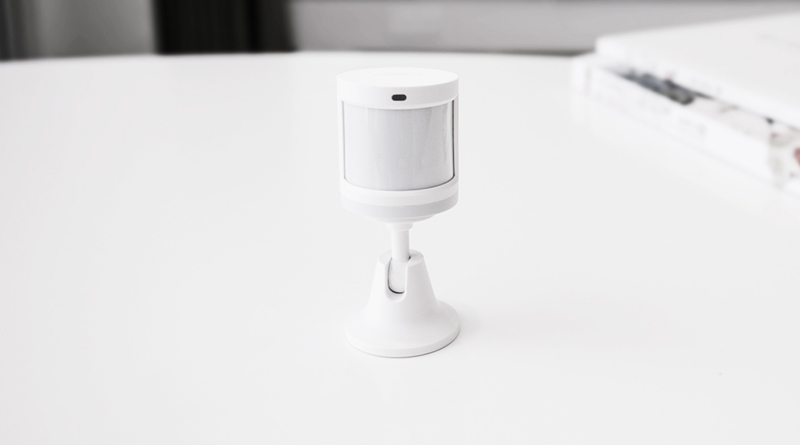
- Motion and occupancy sensors – Useful for monitoring unauthorized entry or unusual activity, especially in vacant properties or short-term rentals.
- Temperature and humidity sensors – These help maintain optimal indoor conditions, reducing the risk of frozen pipes or excessive moisture that could lead to mold.
- Rodent and pest monitors – Newer smart devices can detect rodent activity, allowing for prompt intervention before infestations cause damage.
For hosts and landlords, integrating these devices can also help with compliance and insurance requirements. Many insurers now offer discounts for properties equipped with smart monitoring systems, recognizing their role in reducing claims.
Key Benefits for Homeowners and Rental Hosts
Property owners and managers gain several advantages by installing smart sensors:
- 24/7 remote monitoring – Receive alerts on your phone or email, no matter where you are.
- Reduced repair costs – Early warnings help you address issues before they escalate, saving money on repairs and minimizing downtime for rentals.
- Improved guest safety – For short-term rentals, these devices help ensure a safe environment, which can boost guest satisfaction and reviews.
- Insurance benefits – Many policies offer lower premiums or deductibles for properties with smart monitoring systems.
- Peace of mind – Knowing your property is being watched around the clock reduces stress and worry, especially for remote owners.
If you’re managing a vacation home or rental property, you may also want to explore smart sensors for vacation homes to learn more about remote monitoring solutions tailored for secondary residences.
Choosing the Right Devices for Your Needs
Selecting the best smart sensors for your property depends on several factors, including the type of risks you want to address, your budget, and whether you need integration with other smart home systems. Here are some tips for making the right choice:
- Assess your property’s vulnerabilities – Identify areas prone to leaks, fire hazards, or unauthorized access.
- Look for compatibility – If you already use a smart home hub or platform, choose sensors that integrate seamlessly for centralized control.
- Consider battery life and connectivity – Wireless sensors are easier to install, but check battery life and ensure reliable Wi-Fi or Zigbee/Z-Wave connectivity.
- Check for remote alert features – Make sure the devices send notifications to your phone or email, not just local alarms.
- Review warranty and support – Opt for reputable brands that offer good customer support and warranties.
For a curated list of recommended devices, see the best IoT devices for rental properties guide, which covers top-rated sensors and smart home products for landlords and hosts.
Integrating Sensors with Property Management Systems
Modern property management increasingly relies on automation and integration. Many smart sensors can be linked with property management platforms, allowing for centralized monitoring, automated responses, and streamlined maintenance workflows. For example, a water leak detected in a rental unit can trigger an automatic maintenance ticket or alert a designated contractor.
Some solutions also integrate with Airbnb property monitoring systems, providing hosts with a single dashboard to oversee multiple properties, monitor guest activity, and ensure compliance with local regulations.
If you’re interested in exploring a wide selection of smart home sensors, browse this collection of smart home sensors to compare features and find the right fit for your property.
Best Practices for Installing and Maintaining Smart Sensors
To maximize the effectiveness of your property protection system, follow these best practices:
- Strategic placement – Install water leak sensors near washing machines, water heaters, sinks, and basements. Place smoke detectors in kitchens, hallways, and bedrooms.
- Regular testing – Test all sensors monthly to ensure they are functioning and connected.
- Keep firmware updated – Update device software regularly for security and new features.
- Monitor battery levels – Replace batteries as needed to avoid gaps in protection.
- Document and label devices – Keep a record of sensor locations and types for easy troubleshooting and maintenance.
If you’re managing multiple short-term rentals, consider using Airbnb guest monitoring sensors to help ensure compliance with platform policies and local laws while maintaining guest privacy.
Frequently Asked Questions
What types of property damage can smart sensors help prevent?
Smart sensors can help prevent water damage from leaks or floods, fire and smoke incidents, carbon monoxide poisoning, unauthorized entry, temperature-related issues like frozen pipes, and even pest infestations. Early detection allows for quick intervention, reducing the risk of costly repairs and safety hazards.
Are smart sensors difficult to install?
Most modern sensors are designed for easy installation, often requiring no professional help. Many are wireless and battery-powered, allowing you to place them wherever needed. Some may require connection to a smart home hub or Wi-Fi network, but setup is typically straightforward with clear instructions.
Can smart sensors be used in rental properties or vacation homes?
Absolutely. These devices are especially valuable for rental and vacation properties, where owners may not be on-site. They provide remote monitoring and instant alerts, helping protect your investment and ensuring a safe environment for guests.
Do smart sensors require a subscription?
Some brands offer free basic notifications, while others may require a subscription for advanced features like cloud storage, professional monitoring, or integration with property management systems. Always check the manufacturer’s details before purchasing.
Conclusion
Investing in smart sensors for property damage prevention is a practical step for anyone looking to safeguard their property, reduce risks, and gain peace of mind. With a wide range of devices available, from leak detectors to smoke alarms and pest monitors, it’s easier than ever to keep your home or rental protected. By choosing the right sensors, integrating them with your management systems, and following best practices for installation and maintenance, you can minimize damage, save on repairs, and ensure a safer environment for everyone.