
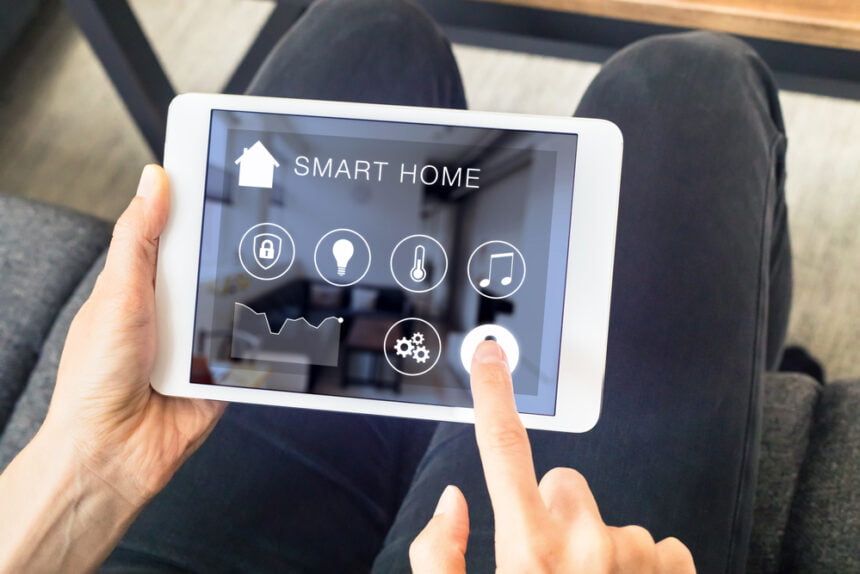

Maintaining control over short-term rental properties is a top priority for hosts. With the rise of smart technology, airbnb guest monitoring sensors have become essential tools for property owners seeking to ensure safety, protect their investment, and deliver a positive guest experience. These devices help monitor occupancy, detect unauthorized parties, and alert hosts to potential issues—without invading guest privacy. By integrating the right sensors, hosts can manage their rentals more efficiently and proactively address problems before they escalate.
For those looking to upgrade their rental’s smart technology, the rental home smart tech guide offers detailed advice on choosing the best devices for your property. Leveraging these resources can help you stay ahead in a competitive market and provide peace of mind for both you and your guests.
Why Smart Sensors Are Essential for Short-Term Rentals
Modern guest monitoring solutions offer more than just security. They enable hosts to:
- Detect excessive noise and prevent parties that could damage property or disturb neighbors.
- Monitor occupancy to ensure guests adhere to house rules and avoid unauthorized visitors.
- Receive alerts about smoke, fire, or water leaks for faster response to emergencies.
- Track environmental conditions like humidity and temperature to maintain guest comfort and prevent issues such as mold.
These benefits make smart sensors a valuable addition to any rental property, helping hosts comply with local regulations and maintain a positive reputation.
Types of Airbnb Guest Monitoring Sensors
There are several types of sensors that can be used in rental properties. Each serves a specific purpose and addresses different aspects of property management:
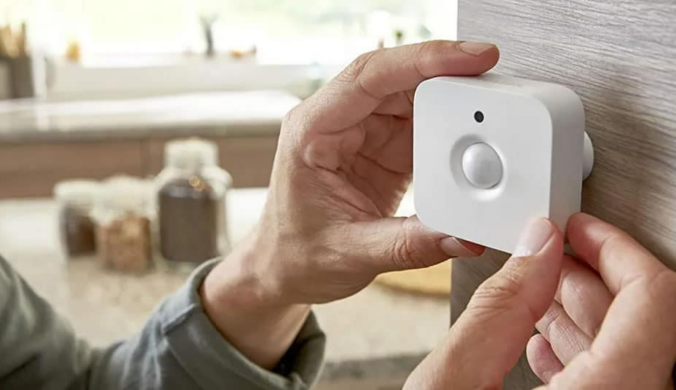
- Noise Sensors: These devices measure sound levels and send alerts if noise exceeds a set threshold. They do not record conversations, maintaining guest privacy while deterring parties and disturbances.
- Occupancy Sensors: Using motion detection or Wi-Fi analytics, these sensors help hosts know if the number of guests matches the reservation. They can also alert you if someone enters restricted areas.
- Smoke and CO Detectors: Smart smoke and carbon monoxide detectors provide real-time alerts to your phone, allowing for immediate action in case of emergencies.
- Water Leak Detectors: These sensors notify you of leaks or flooding, minimizing water damage and costly repairs.
- Environmental Monitors: Track temperature, humidity, and air quality to ensure a comfortable and healthy environment for guests.
For a deeper dive into the technology behind these devices, see this guide to smart sensors and their role in home automation.
How Monitoring Devices Improve Property Control
Integrating airbnb guest monitoring sensors into your rental brings several advantages:
- Proactive Issue Detection: Receive instant notifications about noise, occupancy, or environmental changes, enabling you to address problems before they escalate.
- Remote Management: Monitor your property from anywhere, reducing the need for on-site visits and allowing for more flexible management.
- Enhanced Guest Trust: Clearly communicating the use of non-intrusive sensors can reassure guests that you prioritize their safety and comfort.
- Regulatory Compliance: Many cities require hosts to prevent disturbances. Smart sensors help you meet these obligations and avoid fines.
Combining these devices with a comprehensive airbnb property monitoring system can further streamline your operations and improve guest satisfaction.
Privacy Considerations and Best Practices
While monitoring is important, respecting guest privacy is crucial. Here are some best practices for using sensors in short-term rentals:
- Never install cameras or audio recorders inside living spaces. Use only sensors that monitor environmental data or detect motion/noise without recording personal information.
- Disclose all monitoring devices in your listing and house rules. Transparency builds trust and helps guests feel comfortable.
- Place sensors in common areas only. Avoid bedrooms and bathrooms to maintain privacy.
- Regularly update device firmware to ensure security and compliance with privacy standards.
Following these guidelines ensures you balance property protection with guest rights, avoiding negative reviews or potential legal issues.
Choosing the Right Sensors for Your Rental
Selecting the best devices depends on your property’s unique needs. Consider the following factors:
- Property Size and Layout: Larger homes may require multiple sensors for full coverage.
- Local Regulations: Some areas have specific rules about monitoring devices in rentals.
- Integration with Existing Systems: Choose devices compatible with your current smart home setup for seamless management.
- Budget: Balance cost with essential features. Investing in quality sensors can save money in the long run by preventing damage and disputes.
For more recommendations, check out the best IoT devices for rental properties to find solutions that fit your requirements.
Integrating Sensors with Other Smart Home Tools
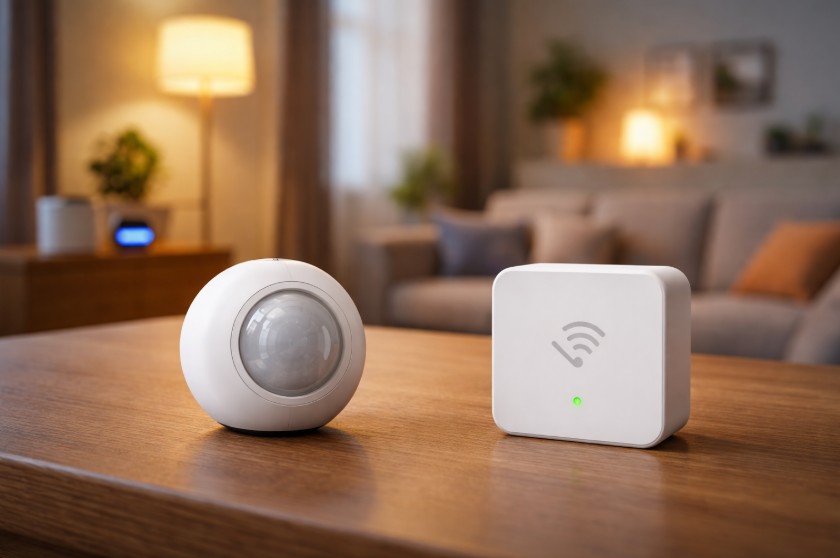
Combining monitoring devices with other smart technologies can further enhance property control. For example, pairing sensors with smart locks, thermostats, and lighting systems allows for automated check-ins, energy savings, and improved security. Resources like the rental property smart monitoring tools guide provide insights on building a cohesive smart home ecosystem for your rental.
Additionally, remote monitoring enables hosts to respond quickly to guest needs or emergencies, even when off-site. This level of service can set your property apart and increase positive reviews.
Common Challenges and Solutions
While the benefits are clear, some hosts face challenges when implementing monitoring technology:
- Technical Setup: Some devices require Wi-Fi connectivity or integration with other systems. Choose user-friendly products and consult setup guides as needed.
- Guest Concerns: Address privacy questions by being transparent and emphasizing that sensors do not record personal data.
- False Alarms: Calibrate devices to minimize unnecessary alerts and avoid guest inconvenience.
By anticipating these challenges and selecting reliable products, you can maximize the value of your investment in smart monitoring.
FAQ: Airbnb Guest Monitoring and Property Management
Are monitoring sensors allowed in Airbnb rentals?
Yes, non-intrusive sensors such as noise, occupancy, and environmental monitors are generally permitted, provided they do not record audio or video inside private spaces. Always disclose their presence in your listing and follow local regulations.
How do noise and occupancy sensors protect my property?
These devices alert you to excessive noise or unexpected guests, helping you prevent parties, property damage, and violations of house rules. They provide real-time notifications so you can act quickly if issues arise.
Will guests feel uncomfortable with monitoring devices?
Most guests appreciate the added safety and transparency when hosts clearly communicate the purpose and placement of sensors. Avoid installing devices in private areas and reassure guests that their privacy is respected.
Can I monitor my rental remotely with these sensors?
Yes, most modern sensors connect to your smartphone or property management platform, allowing you to receive alerts and monitor conditions from anywhere.
Conclusion
Integrating airbnb guest monitoring sensors into your rental property is a practical way to enhance security, maintain control, and deliver a better guest experience. By choosing the right devices, respecting privacy, and leveraging smart technology, you can protect your investment and operate your rental with confidence. For more information on remote monitoring and smart home integration, explore the smart sensors for vacation homes resource to stay ahead in the evolving world of short-term rentals.