
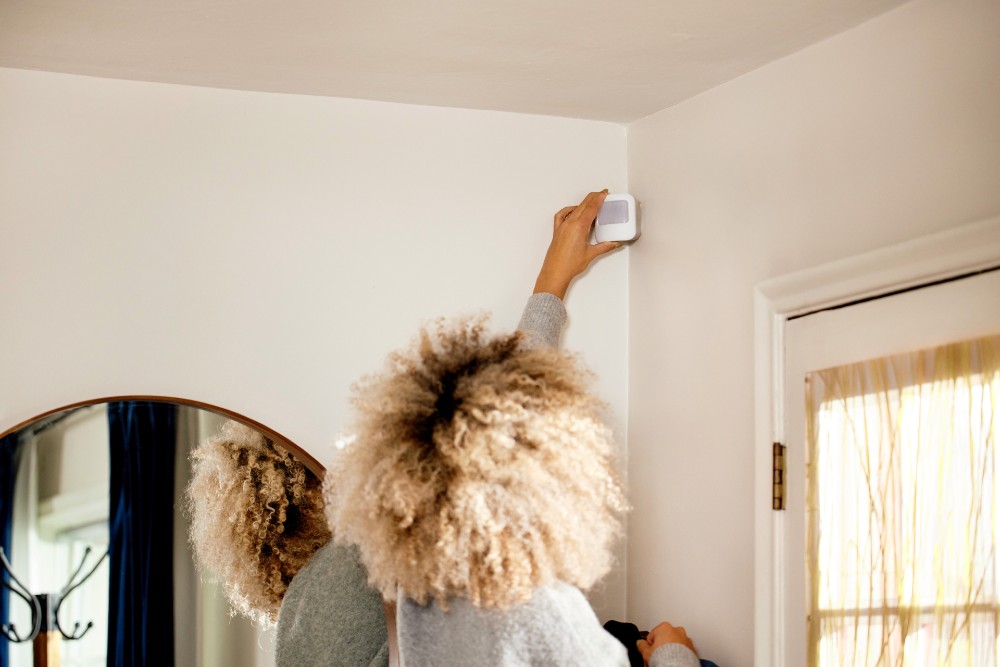

Rental property owners face a constant challenge: minimizing costly damage while maintaining a positive experience for tenants. Traditional inspections and manual checks can only go so far. Today, smart sensors are transforming the way landlords and property managers protect their investments. By providing real-time alerts for leaks, smoke, motion, and even rodent activity, these devices help prevent damage in rental property sensors are designed to detect issues early—before they escalate into expensive repairs or insurance claims.
Integrating smart monitoring technology isn’t just about convenience; it’s about proactive risk management. In this article, we’ll explore how these devices work, which types are most effective for various scenarios, and how you can implement them to safeguard your rental units. For a deeper dive into the latest options and best practices, check out our smart sensors for property damage prevention guide.
Why Smart Monitoring Devices Are Essential for Rental Properties
Water leaks, fire, unauthorized access, and pest infestations are among the most common—and expensive—problems landlords encounter. Traditional solutions like periodic walkthroughs or tenant reporting often fail to catch issues early enough. By contrast, smart sensors provide continuous monitoring and instant notifications, enabling you to respond quickly and minimize losses.
Some of the main benefits of deploying these technologies include:
- Early detection of leaks, smoke, or motion to prevent escalation.
- Remote monitoring for landlords who manage properties from afar.
- Automated alerts to both owners and tenants, reducing response times.
- Insurance discounts for properties equipped with advanced safety systems.
- Peace of mind for both property managers and renters.
For those managing short-term rentals, integrating airbnb guest monitoring sensors can further enhance property oversight and reduce risk.
Types of Sensors That Help Prevent Damage in Rentals
There are several categories of smart devices designed to prevent damage in rental property sensors can address. The most effective setups often combine multiple sensor types for comprehensive coverage:
- Water Leak Sensors: Placed near appliances, under sinks, or in basements, these detect moisture and alert you to leaks before they cause structural damage.
- Smoke and Carbon Monoxide Detectors: Smart versions send instant alerts to your phone and can be integrated into broader home automation systems.
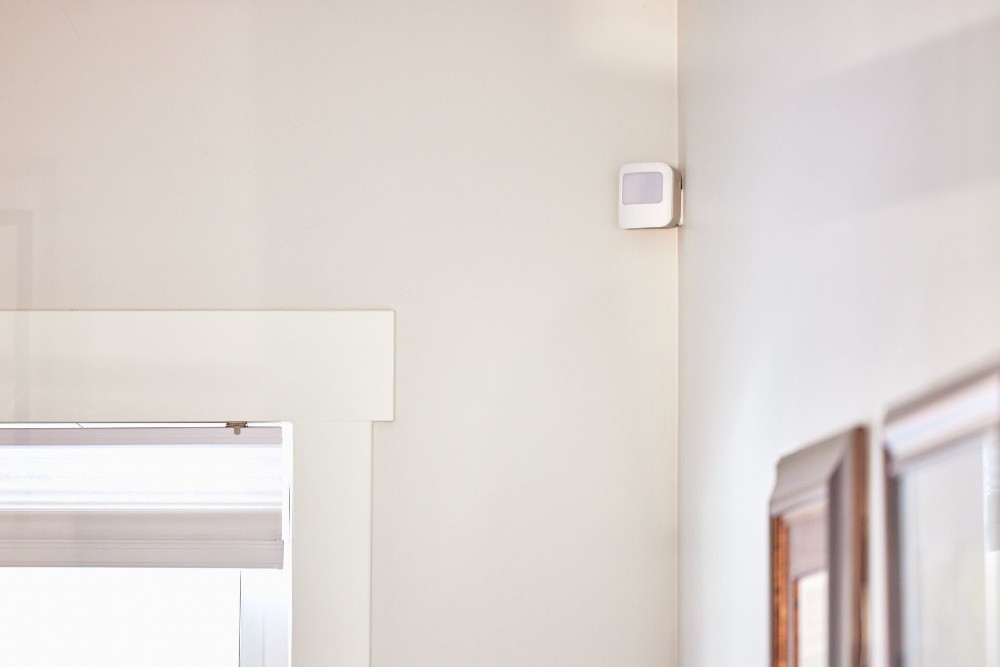
- Motion and Entry Sensors: Useful for monitoring unauthorized access or unusual activity, especially in vacant properties or shared spaces.
- Rodent and Pest Sensors: New smart rodent detectors notify you of pest activity, allowing for swift intervention.
- Temperature and Humidity Sensors: These help prevent mold growth and HVAC failures by tracking environmental conditions.
How to Choose the Right Sensors for Your Property
Every rental is unique, and the optimal sensor setup depends on factors like property size, location, tenant profile, and budget. Here’s how to decide which devices will offer the most value:
- Assess Risk Areas: Identify locations prone to water leaks (bathrooms, kitchens, basements), fire hazards, or unauthorized access.
- Consider Occupancy Patterns: Short-term rentals may need more robust entry and motion monitoring, while long-term leases might prioritize leak and smoke detection.
- Integrate with Existing Systems: Choose devices compatible with your current security or automation platforms for seamless management.
- Ease of Installation: Wireless, battery-powered sensors are ideal for rentals, as they don’t require permanent alterations.
- Remote Access: Opt for solutions that allow you to monitor and receive alerts from anywhere.
If you’re new to this technology, our rental home smart tech guide offers a step-by-step overview of selecting and installing the best devices for your needs.
Installation Tips for Maximum Protection
Proper placement and setup are critical for maximizing the effectiveness of your monitoring devices. Here are some best practices:
- Install water leak detectors near all major plumbing fixtures and appliances.
- Place smoke and CO sensors in hallways, bedrooms, and near kitchens.
- Use motion sensors in entryways, garages, and common areas.
- Test all devices after installation and set up notification preferences for both you and your tenants.
- Regularly check battery levels and replace devices as recommended by the manufacturer.
Many modern systems are designed for DIY installation, but professional setup is available if you prefer a hands-off approach. For landlords managing multiple properties, centralized dashboards can simplify monitoring and maintenance tasks.
Integrating Smart Sensors with Other Property Management Tools
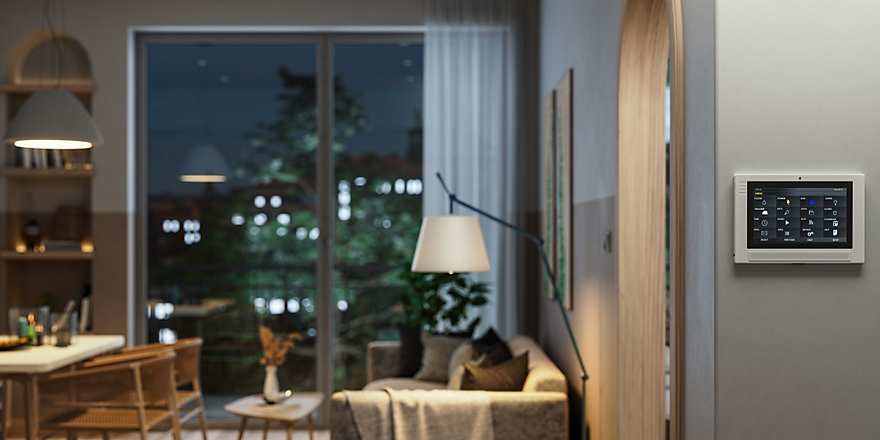
Combining prevent damage in rental property sensors with other smart home technologies can create a comprehensive risk management system. Many platforms allow you to link sensors with cameras, smart locks, and thermostats for enhanced automation and control. For example, a water leak detected in the basement can trigger a camera recording or automatically shut off the main water supply if your system supports it.
For landlords seeking a more robust solution, consider exploring a full airbnb property monitoring system to centralize alerts and automate responses across multiple devices and units.
Best Practices for Tenant Communication and Privacy
While these technologies offer significant benefits, it’s important to balance monitoring with tenant privacy. Always disclose the presence and purpose of any installed devices in your lease agreement. Focus on sensors that monitor environmental factors (like leaks or smoke) rather than those that record audio or video in private spaces.
Clear communication helps build trust and ensures tenants understand that these tools are in place to protect both the property and their well-being. Provide instructions on how to respond to alerts and whom to contact in case of emergencies.
Comparing Popular Smart Sensor Brands and Features
The market for smart monitoring devices is growing rapidly, with options ranging from budget-friendly to high-end systems. When comparing brands, look for:
- Reliability: Choose products with strong reviews and proven performance.
- Integration: Ensure compatibility with your preferred smart home ecosystem (such as Alexa, Google Home, or Apple HomeKit).
- Alert Customization: Look for systems that allow you to tailor notifications and escalation protocols.
- Support and Warranty: Opt for brands that offer responsive customer support and solid warranties.
For an in-depth comparison, see this expert review of the best smart home sensors for Alexa to help you choose the right products for your rental units.
FAQ: Smart Sensors for Rental Property Protection
What types of damage can smart sensors help prevent in rentals?
Smart sensors can detect water leaks, smoke, carbon monoxide, unauthorized entry, motion, temperature fluctuations, and even rodent activity. Early alerts allow landlords to address issues before they become major problems, saving money and reducing tenant disruption.
Are these devices difficult to install in existing properties?
Most modern sensors are designed for easy, non-invasive installation. Battery-powered and wireless options are ideal for rentals, as they don’t require drilling or permanent changes. Many systems offer step-by-step setup guides, and professional installation is available for more complex setups.
How do I ensure tenant privacy when using smart monitoring devices?
Always inform tenants about the presence and function of any installed sensors. Focus on devices that monitor environmental risks (like leaks or smoke) rather than those that record audio or video in private areas. Include clear language in your lease agreement and provide contact information for questions or concerns.
Can smart sensors help reduce insurance costs?
Many insurance providers offer discounts for properties equipped with advanced safety and monitoring systems. Check with your insurer to see if your chosen devices qualify for premium reductions or additional coverage benefits.
Conclusion
Adopting prevent damage in rental property sensors is a practical, cost-effective way to protect your investment and provide a safer environment for tenants. By choosing the right mix of devices, installing them thoughtfully, and maintaining open communication with renters, you can minimize risk and avoid costly repairs. For more insights on smart property management, explore our rental property smart monitoring tools resource.