

Managing guest numbers is a critical part of running a successful Airbnb or short-term rental. With the rise of remote check-ins and self-service stays, hosts need reliable ways to ensure that occupancy rules are respected. Smart occupancy tracking airbnb solutions offer a modern, automated approach to monitoring guest limits, protecting your property, and maintaining compliance with local regulations. This guide explores how these technologies work, their benefits, and how to choose the right system for your rental.
Property owners are increasingly turning to technology to help enforce house rules and prevent issues like overcrowding, unauthorized parties, and excessive wear and tear. By leveraging smart sensors and monitoring tools, hosts can gain peace of mind and streamline their operations. For those interested in broader property protection, you may also want to learn how to prevent damage in rental property sensors can help safeguard your investment.
Why Use Automated Occupancy Monitoring in Short-Term Rentals?
Traditional methods of verifying guest numbers—such as manual check-ins or relying on neighbors—are often unreliable and time-consuming. Smart occupancy tracking airbnb systems use discreet sensors and cloud-based analytics to provide real-time data on how many people are in your property at any given time. This approach offers several advantages:
- Enforce guest limits automatically, reducing the risk of unauthorized parties or subletting.
- Receive instant alerts if occupancy exceeds your set threshold, allowing for timely intervention.
- Protect your property from excessive wear, noise complaints, and potential fines for violating local occupancy laws.
- Enhance guest safety by ensuring compliance with fire codes and emergency evacuation limits.
For hosts seeking even more comprehensive solutions, integrating airbnb guest monitoring sensors can further improve property control and guest compliance.
How Smart Sensors Track Guest Numbers
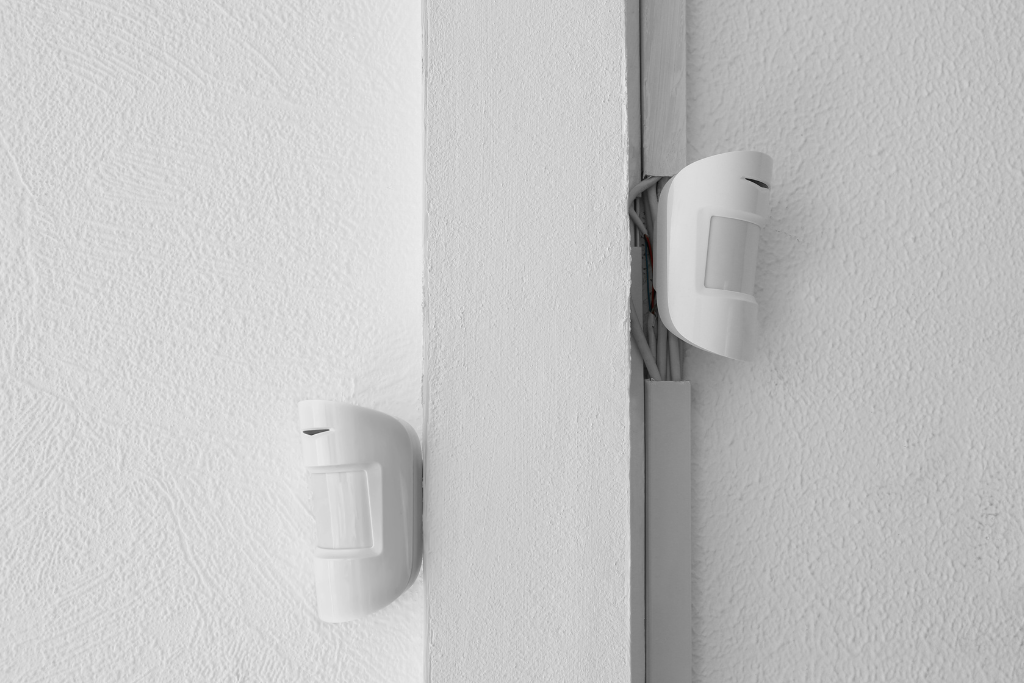
Modern occupancy tracking relies on a combination of non-intrusive sensors and intelligent software. These devices do not record audio or video, preserving guest privacy while still delivering accurate data. Common sensor types include:
- Motion sensors: Detect movement in key areas to estimate the number of occupants.
- Door sensors: Monitor entry and exit activity to track comings and goings.
- CO2 and air quality sensors: Analyze changes in air composition to infer occupancy levels.
- Infrared sensors: Count heat signatures to estimate how many people are present.
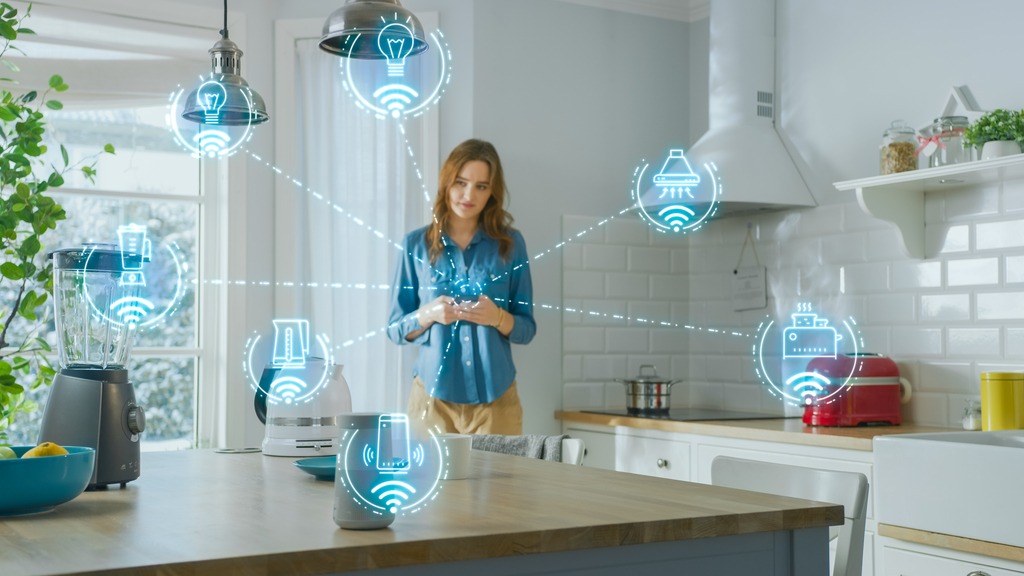
These devices connect to a central hub or cloud platform, where algorithms process the data and send notifications if occupancy rules are breached. For a deeper dive into choosing the right technology, the rental home smart tech guide offers practical advice on sensor selection and integration.
Benefits of Smart Occupancy Solutions for Airbnb Hosts
Adopting automated guest tracking brings a range of benefits for property owners and managers. Some of the most impactful advantages include:
- Reduced risk of property damage: By preventing overcrowding and unauthorized gatherings, you minimize the chances of accidents or excessive wear.
- Improved guest experience: Clear communication about occupancy limits, backed by technology, sets expectations and fosters trust.
- Regulatory compliance: Many cities have strict rules about how many people can stay in a rental. Smart monitoring helps you stay within legal limits and avoid fines.
- Operational efficiency: Automated alerts and reports free up your time, allowing you to focus on guest satisfaction and business growth.
For hosts prioritizing security and peace of mind, combining occupancy tracking with smart sensors for property damage prevention creates a comprehensive risk management strategy.
Choosing the Right Occupancy Tracking System
Not all monitoring solutions are created equal. When selecting a system for your rental, consider the following factors:
- Privacy protection: Opt for sensors that do not record audio or video, ensuring guest privacy while still providing accurate data.
- Ease of installation: Wireless, battery-powered devices are typically easier to install and maintain.
- Integration with other smart home devices: Look for platforms that can connect with your existing security, smoke detectors, or automation systems.
- Alert options: Choose a solution that offers customizable notifications via SMS, email, or app alerts.
- Data access and reporting: Robust dashboards and historical reports can help you track trends and demonstrate compliance if needed.
For a detailed comparison of sensor types and features, check out this comprehensive guide to choosing sensors for smart homes.
Integrating Occupancy Tracking with Other Smart Home Features
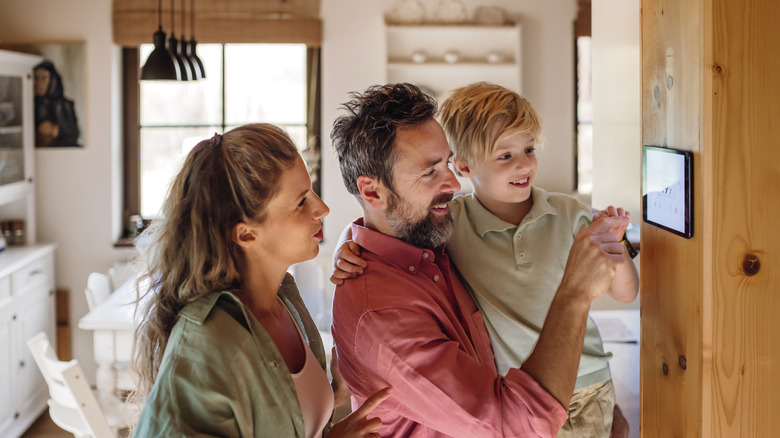
Combining occupancy monitoring with other smart home technologies can further enhance your rental’s security and efficiency. For example, integrating with smart locks allows you to automate check-ins and check-outs, while pairing with noise sensors can help detect potential parties before they escalate. Many platforms also support automation routines, such as adjusting thermostats or lighting based on occupancy data.
For hosts looking for a holistic approach, consider exploring an airbnb property monitoring system that brings together occupancy, security, and environmental monitoring in one dashboard.
Best Practices for Implementing Occupancy Tracking
To maximize the benefits of smart monitoring while maintaining guest trust, follow these best practices:
- Disclose monitoring devices in your Airbnb listing and house rules. Transparency builds trust and ensures compliance with platform policies.
- Place sensors in common areas only, never in private spaces like bedrooms or bathrooms.
- Set clear occupancy limits and communicate them to guests before booking and at check-in.
- Regularly review system alerts and reports to identify patterns or recurring issues.
- Update your insurance to reflect the added protection provided by smart monitoring devices.
FAQ
How accurate are smart occupancy tracking systems for Airbnb rentals?
Most modern systems use a combination of motion, infrared, and environmental sensors to estimate occupancy with a high degree of accuracy. While no solution is perfect, these technologies provide reliable data without compromising guest privacy.
Do occupancy sensors violate guest privacy?
No, reputable solutions do not use cameras or audio recording. Instead, they rely on non-intrusive methods like motion or air quality detection. Always disclose the presence of monitoring devices in your listing to maintain transparency.
Can these systems help prevent unauthorized parties?
Yes, by alerting you when the number of occupants exceeds your set limit, smart tracking tools enable you to intervene early and prevent potential parties or gatherings that could damage your property.
Are these solutions compatible with other smart home devices?
Many occupancy monitoring platforms integrate seamlessly with smart locks, noise detectors, and automation systems, allowing for a unified approach to property management.
Where can I learn more about smart sensors for rentals?
For additional insights, explore resources like the smart sensors for property damage prevention guide, which covers a range of technologies for protecting your rental property.