

Managing multiple rental properties comes with a unique set of challenges, especially when it comes to monitoring safety, comfort, and efficiency across different locations. A smart sensor dashboard for rentals brings together real-time data from various sensors, giving property managers and owners a unified view of their assets. This approach not only streamlines operations but also enhances guest experiences, reduces risks, and helps prevent costly incidents.
With the rise of connected devices and the Internet of Things (IoT), rental operators now have access to powerful tools that were once available only to large commercial buildings. By integrating smart sensors for temperature, air quality, security, and more, you can gain actionable insights and automate responses to issues before they escalate. If you’re interested in leveraging iot data for rental properties, a unified dashboard is the foundation for smarter, safer, and more profitable rentals.
What Is a Unified Sensor Dashboard for Rental Properties?
A unified sensor dashboard is a centralized digital platform that collects, displays, and analyzes data from all the smart sensors installed across your rental units. Instead of juggling multiple apps or manual logs, property managers can view everything from smoke alerts to occupancy status in one place. This holistic approach simplifies oversight and enables faster, more informed decisions.
Common features of these dashboards include:
- Real-time monitoring of temperature, humidity, air quality, and motion
- Alerts for smoke, leaks, unauthorized entry, or abnormal activity
- Historical data trends for maintenance planning
- Integration with automation systems for remote control
- Customizable notifications for different team members
By consolidating sensor data, you can reduce manual checks, respond quickly to incidents, and provide a safer environment for guests and tenants.
Key Benefits of Smart Sensor Dashboards in the Rental Industry
Adopting a smart sensor dashboard for rentals delivers tangible advantages for both short-term and long-term property operators. Here are some of the most impactful benefits:
- Proactive Maintenance: Early detection of leaks, humidity spikes, or HVAC issues helps prevent major damage and costly repairs.
- Enhanced Security: Motion sensors, door/window contacts, and smoke detectors can trigger instant alerts, reducing the risk of theft or fire.
- Energy Efficiency: Monitoring temperature and occupancy allows for smarter heating/cooling schedules, lowering utility bills.
- Guest Comfort: Real-time air quality and climate data ensure guests enjoy a healthy, comfortable stay.
- Regulatory Compliance: Automated logs and alerts help meet safety standards and insurance requirements.
For those focused on minimizing risks, integrating prevent damage in rental property sensors into your dashboard is a proven way to stay ahead of potential problems.
Essential Sensors to Include in Your Property Dashboard
Choosing the right mix of sensors is crucial for maximizing the value of your dashboard. While every property is unique, these are the most commonly integrated devices for rental operators:
- Smoke and CO Detectors: Immediate alerts for fire or carbon monoxide hazards are critical for guest safety.
- Water Leak Sensors: Detect leaks early to avoid expensive water damage and mold growth.
- Occupancy and Motion Sensors: Track guest presence for security, cleaning, and energy management.
- Air Quality Monitors: Ensure healthy indoor environments by tracking pollutants and humidity.
- Door and Window Sensors: Monitor access points for unauthorized entry or open windows during extreme weather.
For a comprehensive overview of sensor options, see this guide to essential smart home sensors.
Combining these devices with a centralized dashboard allows you to automate responses, such as sending maintenance alerts or adjusting thermostats based on occupancy.
How Unified Dashboards Improve Operations and Guest Experience
Implementing a smart sensor dashboard for rentals transforms day-to-day operations in several ways:
- Centralized Control: Manage all properties from a single interface, reducing the need for site visits and manual checks.
- Faster Response Times: Automated alerts enable immediate action, whether it’s dispatching maintenance or contacting guests.
- Data-Driven Decisions: Historical trends help you identify recurring issues, optimize cleaning schedules, and plan upgrades.
- Improved Guest Satisfaction: Proactively addressing comfort and safety concerns leads to better reviews and repeat bookings.
For those managing short-term rentals, integrating smart occupancy tracking airbnb features can help enforce guest limits and prevent unauthorized parties, further protecting your investment.
Integrating Smart Sensors for Damage Prevention and Security
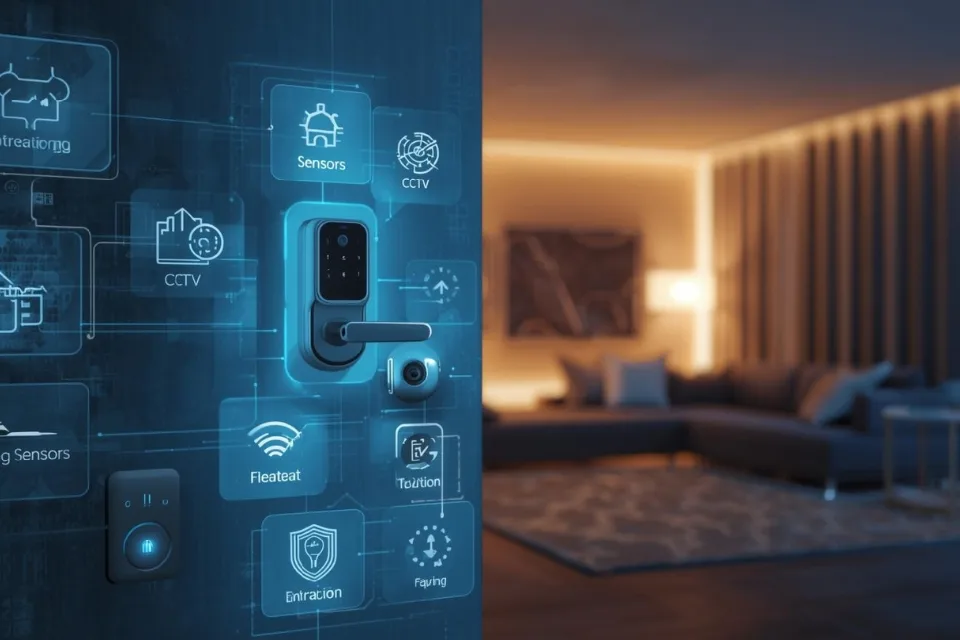
One of the most valuable aspects of a unified dashboard is its ability to help prevent property damage and security incidents. By combining data from multiple sensors, you can spot patterns and intervene before small issues become major problems. For example, a sudden spike in humidity could indicate a hidden leak, while unexpected motion detection during vacancy might signal a break-in.
To further enhance protection, consider adding smart sensors for property damage prevention to your technology stack. These devices can be configured to trigger automated actions, such as shutting off water valves or alerting local authorities, based on real-time sensor data.
For operators who want to maintain better control over guest behavior, solutions like airbnb guest monitoring sensors can be integrated into your dashboard, providing insights into occupancy, noise levels, and more.
Best Practices for Implementing a Smart Sensor Dashboard
To get the most out of your investment in smart property technology, follow these best practices:
- Assess Your Needs: Identify the most common risks and challenges for your properties, such as water leaks, unauthorized access, or air quality issues.
- Choose Compatible Devices: Select sensors that are reliable, easy to install, and compatible with your chosen dashboard platform.
- Plan for Scalability: Ensure your dashboard can accommodate additional properties and new sensor types as your portfolio grows.
- Train Your Team: Make sure all staff members understand how to use the dashboard and respond to alerts.
- Review Data Regularly: Use historical trends to inform maintenance schedules, upgrade decisions, and guest policies.
By following these steps, you’ll create a more resilient, efficient, and guest-friendly rental operation.
FAQ: Smart Sensor Dashboards for Rental Properties
How difficult is it to install and set up a unified sensor dashboard?
Most modern dashboards are designed for straightforward installation, especially if you choose wireless sensors. Many platforms offer step-by-step guides and customer support. The process typically involves placing sensors in key locations, connecting them to your network, and linking them to the dashboard via a web or mobile app.
Can I monitor multiple properties from a single dashboard?
Yes, the main advantage of a unified dashboard is the ability to oversee all your rental units from one interface. You can view sensor data, receive alerts, and manage settings for each property without switching between different systems.
What types of alerts can I receive from my smart sensor dashboard?
Depending on your setup, you can receive notifications for smoke, carbon monoxide, water leaks, motion, open doors/windows, abnormal temperature, and more. Alerts can be sent via email, SMS, or app push notifications, allowing you to respond quickly to any issue.
Are smart sensor dashboards secure and private?
Reputable platforms use encryption and secure cloud storage to protect your data. Always choose vendors with a strong track record in IoT security and review privacy policies to ensure guest data is handled responsibly.
Conclusion
Adopting a smart sensor dashboard for rentals is a strategic move for property owners and managers who want to streamline operations, enhance security, and deliver better guest experiences. By centralizing sensor data and automating alerts, you can prevent damage, reduce costs, and stay ahead in a competitive market. As technology continues to evolve, unified dashboards will become an essential tool for successful rental management.