


Property managers and landlords are increasingly turning to zigbee sensors rental properties solutions to streamline operations, boost security, and enhance tenant satisfaction. These wireless sensors offer a reliable and scalable way to monitor everything from temperature and humidity to motion and smoke, all while minimizing manual intervention. With the right network setup, property owners can automate alerts, reduce maintenance costs, and ensure a safer environment for residents.
As the demand for smart home technology grows, understanding how to implement and optimize Zigbee-based sensor networks is essential for anyone managing rental units. This article will guide you through the benefits, setup strategies, and best practices for deploying these devices in multi-unit buildings or single-family rentals.
For those managing multiple units, integrating scalable rental sensor systems can help future-proof your property portfolio and make it easier to adapt as your needs grow.
Why Choose Zigbee for Smart Rental Property Monitoring?
Zigbee is a wireless communication protocol designed specifically for low-power, low-data-rate applications like smart sensors. Its mesh networking capability allows devices to relay information to one another, creating a robust and self-healing network. This is especially valuable in rental properties, where devices may be spread across multiple rooms or even different floors.
- Reliability: Zigbee networks are less prone to interference from Wi-Fi and Bluetooth devices, ensuring consistent performance.
- Energy Efficiency: Zigbee sensors typically have long battery life, reducing the frequency of maintenance visits.
- Scalability: Easily add or remove devices as your property needs change, without major rewiring or infrastructure upgrades.
- Security: Zigbee uses AES-128 encryption, helping to protect sensitive data and prevent unauthorized access.
These advantages make Zigbee an attractive choice for property managers looking to implement a reliable and future-ready smart sensor network.
Types of Zigbee Sensors for Rental Units
There is a wide range of Zigbee-enabled devices available to address the unique needs of rental properties. Selecting the right mix of sensors is key to maximizing the value of your investment.
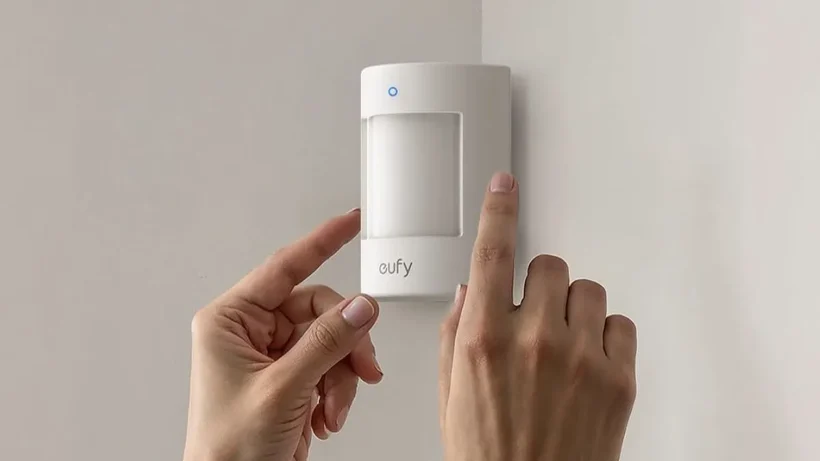
- Motion Sensors: Detect movement in common areas, entryways, or restricted zones to enhance security or automate lighting.
- Door/Window Sensors: Monitor access points for unauthorized entry or to confirm doors and windows are closed when needed.
- Smoke and CO Detectors: Provide instant alerts for fire or carbon monoxide, helping to protect tenants and property.
- Water Leak Sensors: Detect leaks early to prevent costly water damage and reduce insurance claims.
- Temperature and Humidity Sensors: Monitor climate conditions to optimize HVAC performance and prevent mold growth.
- Rodent and Pest Detectors: Identify unwanted activity and trigger alerts or automated responses.
For a comprehensive overview of sensor types and their applications, consider reviewing this guide to choosing smart sensors.
Setting Up a Zigbee Network in Rental Properties
Building a strong Zigbee network requires careful planning and the right hardware. Here are key steps to ensure reliable coverage and performance:
- Choose a Compatible Hub: Select a Zigbee hub or gateway that supports the devices you plan to use. Popular options include SmartThings, Hubitat, and Home Assistant-compatible hubs.
- Strategic Placement: Position your hub centrally within the property to maximize signal reach. For larger or multi-story buildings, consider adding Zigbee repeaters or smart plugs to extend coverage.
- Device Pairing: Follow manufacturer instructions to pair each sensor with your hub. Most devices have a simple button or sequence to initiate pairing mode.
- Network Testing: After installation, test each sensor’s connectivity and responsiveness. Adjust placement if you notice weak signals or dropped connections.
- Automations and Alerts: Set up rules for automated notifications, such as sending a text or email when motion is detected or a leak is found.
Proper setup ensures your zigbee sensors rental properties network is robust and ready to deliver actionable insights.
Best Practices for Managing Zigbee Sensor Networks
Maintaining a healthy sensor network is just as important as the initial installation. Here are some best practices to keep your system running smoothly:
- Regular Maintenance: Check battery levels and replace them as needed. Many hubs provide battery status monitoring.
- Firmware Updates: Keep your hub and sensors updated to benefit from security patches and new features.
- Documentation: Maintain a record of device locations and configurations for troubleshooting and future upgrades.
- Tenant Communication: Inform tenants about the purpose and benefits of the sensors to foster cooperation and transparency.
- Data Privacy: Ensure compliance with privacy laws and avoid collecting unnecessary personal data.
By following these guidelines, you can maximize the lifespan and effectiveness of your Zigbee network.

Integrating Zigbee Sensors with Other Smart Property Solutions
Combining Zigbee sensors with other smart property technologies can further enhance operational efficiency and tenant experience. For example, integrating with a smart alert system for hosts enables instant notifications across multiple channels, ensuring you never miss a critical event.
Other integrations worth considering include:
- Property manager smart sensors for multi-unit monitoring and analytics.
- Smart access control for remote entry management and guest check-ins.
- Rental property access sensors to monitor doors and gates in real time.
By leveraging these integrations, you can create a unified ecosystem that streamlines property management and delivers a seamless experience for both staff and residents.
Common Challenges and How to Overcome Them
While Zigbee networks are generally robust, property managers may encounter a few challenges:
- Signal Interference: Thick walls, metal structures, or competing wireless signals can reduce range. Use repeaters or reposition devices to improve coverage.
- Device Compatibility: Not all Zigbee devices work with every hub. Check compatibility lists before purchasing.
- Tenant Turnover: When tenants move out, reset sensors and update access permissions to maintain security.
- Network Scaling: As you add more devices, monitor network performance and consider segmenting large deployments.
Addressing these issues proactively will help ensure your sensor network remains reliable and effective over time.
Frequently Asked Questions
What are the main benefits of using Zigbee sensors in rental properties?
Zigbee sensors offer reliable wireless monitoring, low maintenance due to long battery life, and easy scalability. They help property managers automate alerts, improve security, and reduce manual checks, making operations more efficient.
How do I ensure my Zigbee network covers an entire multi-unit building?
Position your Zigbee hub centrally and use repeaters or compatible smart plugs to extend the network’s range. Test each sensor’s connectivity after installation and adjust placement as needed for optimal coverage.
Are Zigbee sensors secure for use in rental properties?
Yes, Zigbee uses AES-128 encryption to protect data. To further enhance security, keep firmware updated and reset devices between tenants to prevent unauthorized access.