
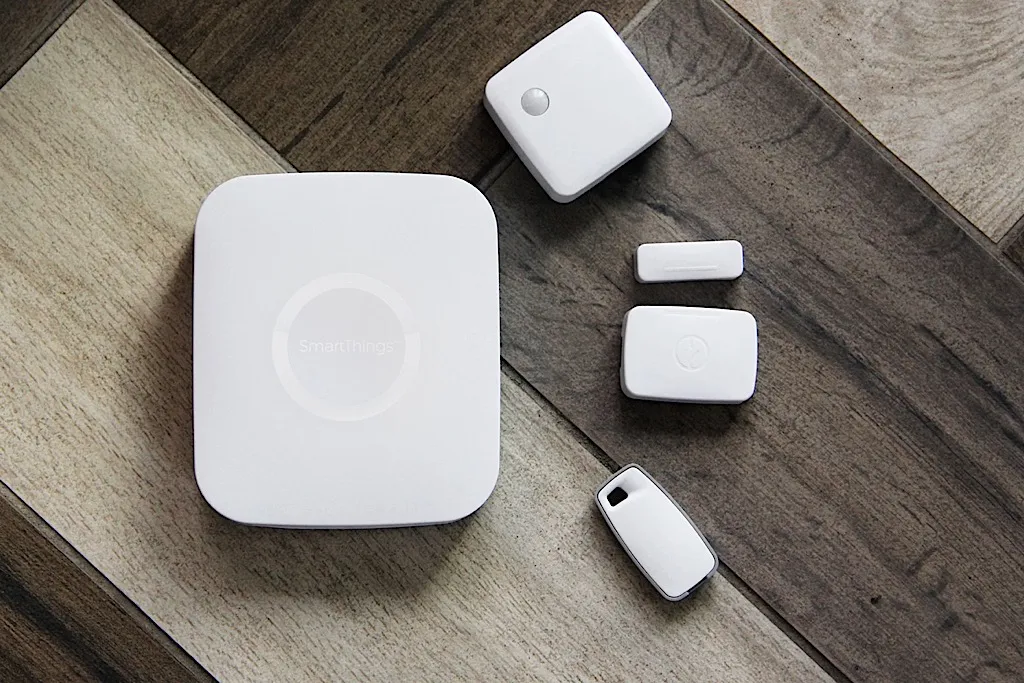

Property management is evolving rapidly, and the need for scalable rental sensor systems has never been greater. As portfolios expand, managers face new challenges in monitoring multiple units efficiently, ensuring tenant safety, and maintaining compliance with local regulations. Modern sensor solutions offer a way to automate oversight, reduce manual checks, and provide real-time alerts—making them essential tools for anyone managing more than a handful of properties.
With the right technology, property managers can streamline operations, prevent costly incidents, and deliver a better experience for both owners and tenants. This article explores how adaptable sensor platforms can support growth, what features to look for, and how to integrate these solutions into your existing workflow.
For those managing multi-unit portfolios, exploring property manager smart sensors can provide additional insights into optimizing your tech stack and staying ahead of industry trends.
Why Scalable Sensor Platforms Matter for Expanding Portfolios
As a property manager’s portfolio grows, manual oversight becomes increasingly complex. Traditional methods—like periodic inspections or relying on tenant reporting—are often insufficient for catching issues early. Scalable rental sensor systems enable remote monitoring of key property metrics such as temperature, humidity, motion, smoke, and even pest activity. These platforms can be deployed across dozens or hundreds of units, providing centralized dashboards and instant notifications.
Key benefits include:
- Proactive maintenance: Detect leaks, HVAC failures, or unauthorized access before they escalate.
- Improved safety: Get real-time alerts for smoke, carbon monoxide, or unusual activity.
- Operational efficiency: Reduce the need for on-site visits and manual checks.
- Regulatory compliance: Automate documentation and reporting to meet local safety standards.
By leveraging these systems, managers can focus on growth and service quality rather than troubleshooting avoidable problems.
Core Features of Modern Rental Sensor Solutions
When evaluating sensor platforms for rental properties, it’s important to look for features that support flexibility and growth. Here are some essentials:
- Modular design: Add or remove sensors as your portfolio changes, without major rewiring or infrastructure upgrades.
- Wireless connectivity: Ensure easy installation and reliable communication, even in older buildings.
- Centralized management: Access all sensor data from a single dashboard, with customizable alerts and reporting.
- Integration capabilities: Connect with other smart property tools, such as airbnb smart access control or automated alert systems.
- Remote diagnostics: Identify device malfunctions or low battery status without site visits.
- Data privacy and security: Ensure all transmissions are encrypted and compliant with relevant regulations.
Choosing a platform with these features ensures your investment will scale alongside your business.
Types of Sensors for Rental Properties
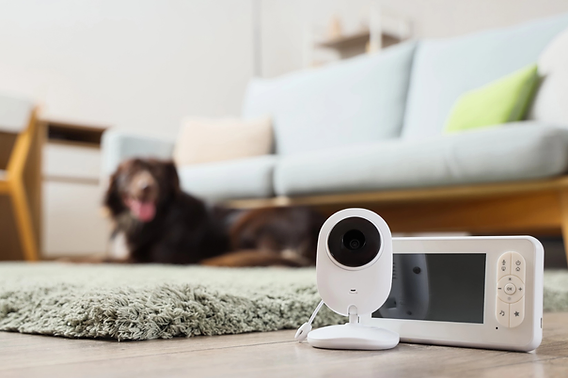
There are several categories of sensors that deliver value for property managers. The most common include:
- Environmental sensors: Monitor temperature, humidity, and air quality to prevent mold or HVAC issues.
- Motion and occupancy sensors: Detect unauthorized entry or confirm vacancy for cleaning and maintenance scheduling.
- Smoke and CO detectors: Essential for safety compliance and tenant protection.
- Leak and flood sensors: Catch plumbing failures early to avoid water damage.
- Pest detection: Advanced devices can alert you to rodent or insect activity before it becomes a major problem.
Integrating a mix of these sensors creates a comprehensive safety net for your properties, reducing risk and improving tenant satisfaction.
Integrating Sensors with Existing Property Management Tools
For maximum efficiency, sensor platforms should integrate with your current property management systems. Many solutions offer APIs or direct integrations with popular tools, allowing you to automate workflows and centralize notifications. For example, combining sensor data with a smart alert system for hosts can provide instant updates to staff or tenants when issues arise.
Some advanced platforms also support integration with access control systems, such as rental property access sensors, enabling you to monitor entry points and automate responses to security events. This level of connectivity is especially valuable for managers overseeing multiple locations or remote properties.
Best Practices for Deploying and Scaling Sensor Networks
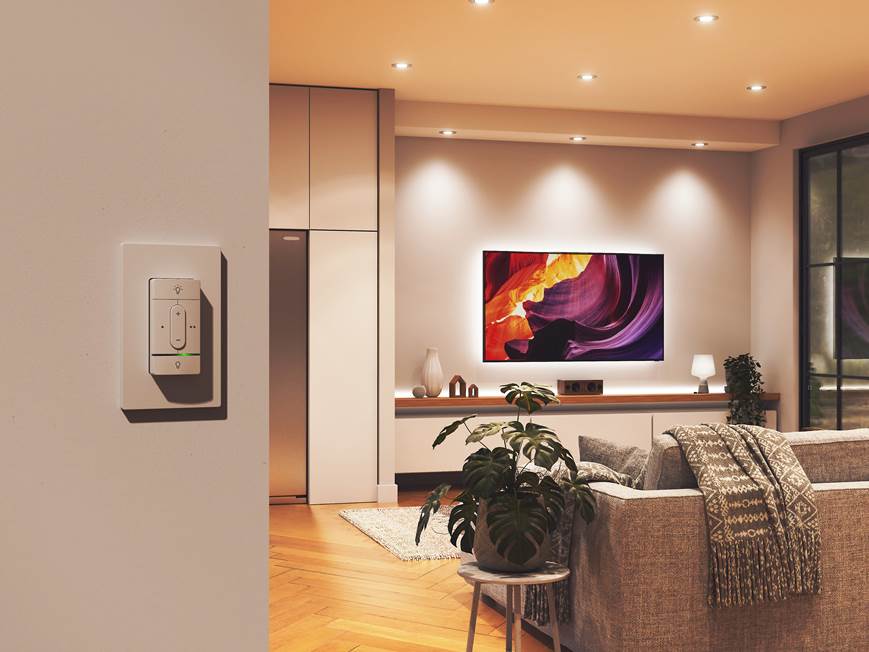
Rolling out a sensor network across multiple properties requires planning and ongoing management. Here are some best practices:
- Start with a pilot: Test the system in a few units to identify potential issues and refine your installation process.
- Standardize devices: Use the same brands and models across properties to simplify maintenance and training.
- Schedule regular checks: Even with remote diagnostics, periodic reviews ensure sensors remain functional and up-to-date.
- Train staff: Make sure your team understands how to interpret alerts and respond appropriately.
- Document procedures: Maintain clear records for compliance and troubleshooting.
Following these steps helps ensure your investment delivers consistent value as your portfolio grows.
Compliance and Safety Considerations
Many jurisdictions require property managers to maintain working smoke detectors, carbon monoxide alarms, and sometimes even leak sensors. Automated systems simplify compliance by providing digital logs and instant notifications if a device fails or is tampered with. This not only protects tenants but also reduces liability for property owners.
For more on meeting local requirements, see our guide to smart safety compliance rentals.
How Smart Sensors Enable Automation and Efficiency
The true value of these technologies lies in automation. By connecting sensors to cloud-based management platforms, property managers can:
- Automatically dispatch maintenance when a leak or HVAC issue is detected
- Send instant alerts to tenants and staff for smoke or CO events
- Log all incidents and responses for audit trails
- Integrate with other smart home devices for a seamless experience
For a deeper dive into the role of sensors in automation, learn how smart sensors make home automation work in modern property management.
FAQ
What types of properties benefit most from scalable sensor systems?
Multi-unit buildings, short-term rentals, and portfolios with geographically dispersed properties gain the most from these solutions, as they allow for centralized oversight and rapid response to issues.
Are wireless sensors reliable for older buildings?
Yes, most modern wireless sensors are designed to work in a variety of construction types. They typically use long-range protocols and can be installed without significant modifications to the property.
How do I ensure data privacy with remote monitoring?
Choose sensor platforms that use encrypted communication and comply with industry standards for data protection. Always review vendor privacy policies and configure access controls to limit who can view sensitive information.