

Fire safety is a top priority for landlords, property managers, and short-term rental hosts. As technology advances, smart smoke detectors for rentals have become a practical solution for enhancing protection, ensuring compliance, and providing peace of mind to both property owners and guests. These devices offer more than just basic smoke detection—they deliver real-time alerts, remote monitoring, and integration with other smart home systems, making them an essential upgrade for modern rental properties.
Whether you manage a single apartment or a portfolio of vacation homes, understanding the benefits and features of connected smoke alarms can help you make informed decisions about safeguarding your investment. For those interested in broader safety strategies, resources like rental home safety sensors provide additional insights into comprehensive guest protection.
Why Upgrade to Connected Smoke Alarms in Rental Properties?
Traditional smoke alarms have long been a standard requirement in residential properties. However, connected smoke detectors offer significant advantages for rental units:
- Remote Monitoring: Receive instant notifications on your phone if smoke or carbon monoxide is detected, even when you’re offsite.
- Automatic Testing: Many smart models self-test and send alerts if maintenance or battery replacement is needed, reducing the risk of device failure.
- Integration with Other Systems: Link alarms with security sensors, water leak detectors, or smart locks for a unified safety network.
- Guest Reassurance: Visible smart devices can boost guest confidence and satisfaction, especially in short-term rentals.
For hosts who already use rental property security system sensors, adding smart smoke detectors is a logical next step in building a robust safety ecosystem.
Key Features to Look For in Smart Smoke Detectors for Rentals
Choosing the right device involves more than just picking a well-known brand. Here are the most important features to consider when selecting smart smoke detectors for rentals:
- Dual Detection: Look for alarms that sense both smoke and carbon monoxide for comprehensive coverage.
- Wi-Fi or Cellular Connectivity: Ensure the device can send alerts to your phone or property management platform, regardless of your location.
- Battery Life: Opt for models with long-life batteries (often up to 10 years) or hardwired options with battery backup.
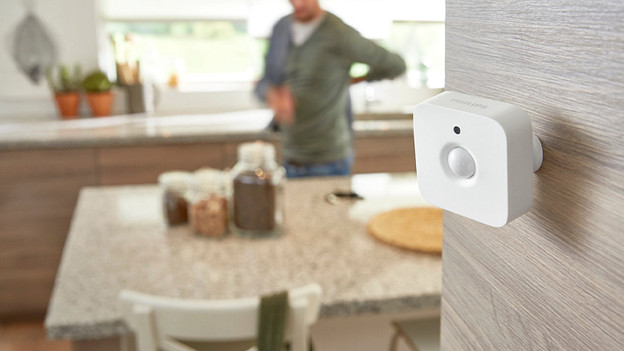
- Easy Installation: Devices that are simple to mount and set up reduce downtime between guest stays.
- Integration Capabilities: Compatibility with smart home hubs or voice assistants can streamline management and automate safety routines.
- Tamper Alerts: Some alarms notify you if they are removed or disabled, which is especially useful in high-turnover rentals.
Installation and Maintenance Tips for Rental Owners
Proper installation and upkeep are crucial for maximizing the effectiveness of your smart smoke alarms. Here are some practical tips:
- Follow Local Codes: Always check your jurisdiction’s fire safety requirements for rental properties. Some areas have specific rules about alarm placement and types.
- Strategic Placement: Install alarms in every sleeping area, outside bedrooms, and on every level of the property, including basements.
- Test Regularly: Even with automatic self-testing, schedule manual checks between guest stays to ensure devices are operational.
- Keep Devices Connected: Ensure Wi-Fi or cellular connections are stable. If your property has spotty internet, consider models with cellular backup.
- Educate Guests: Leave clear instructions for guests on what to do if the alarm sounds, and provide contact information for emergencies.
For additional protection, pairing smoke alarms with water leak sensors for vacation rentals can help prevent other common property hazards.
Smart Smoke Detector Integration with Broader Safety Systems
Modern rental properties often benefit from a holistic approach to safety. Integrating smart smoke detectors with other connected devices can streamline management and provide layered protection. For example, linking alarms with smart security sensors for Airbnb or leak detection systems enables property managers to monitor multiple risks from a single dashboard.
Some advanced systems allow for automation, such as unlocking doors for emergency responders when smoke is detected or shutting off HVAC systems to slow the spread of smoke. These integrations not only protect property and guests but can also reduce insurance costs and liability risks.

Compliance, Insurance, and Guest Experience
Upgrading to smart fire detection devices can help rental owners meet or exceed local safety codes, which is essential for legal compliance and insurance coverage. Many insurers offer discounts for properties equipped with monitored alarms or integrated safety systems. Additionally, guests increasingly expect visible, modern safety features—highlighting these in your property listing can set your rental apart from the competition.
For those looking to further enhance their property’s safety profile, exploring smart leak detection sensors rentals is a smart move, especially in areas prone to water damage or freezing temperatures.
Choosing the Right Smart Smoke Detector for Your Rental
With a growing range of products on the market, selecting the best fit for your property can feel overwhelming. Start by considering the following:
- Property Size and Layout: Larger homes may need interconnected alarms, while smaller apartments might only require one or two devices.
- Guest Turnover: High-turnover rentals benefit from tamper alerts and easy-to-reset devices.
- Budget: While smart detectors cost more upfront, their long-term benefits in safety, compliance, and reduced liability often justify the investment.
- Brand Reliability: Choose reputable brands with strong customer support and regular firmware updates.
For a deeper dive into how these sensors fit into the broader smart home landscape, IBM offers a helpful overview of smart home sensors and their applications.
FAQ: Smart Smoke Detectors in Rental Properties
Are smart smoke detectors required by law in rental properties?
Most jurisdictions require smoke detectors in rental units, but not all mandate smart devices. However, using connected alarms can help meet or exceed code requirements and provide extra protection for guests and property.
How do smart smoke detectors notify property owners of an emergency?
These devices typically send real-time alerts via mobile apps, email, or text messages. Some models can also notify emergency services or property managers directly, depending on the system’s configuration.
Can smart smoke detectors be integrated with other safety devices?
Yes, many models are designed to work with other smart home products, such as security sensors, water leak detectors, and voice assistants. This integration allows for centralized monitoring and automated safety responses.
What maintenance is needed for smart smoke detectors?
Most connected alarms perform self-checks and send maintenance reminders. However, it’s still important to test them manually, keep batteries fresh (if applicable), and ensure they remain connected to Wi-Fi or cellular networks.
Do smart smoke detectors protect against carbon monoxide as well?
Many smart alarms offer dual detection for both smoke and carbon monoxide, providing broader protection for rental properties. Always check product specifications to confirm this feature.
Embracing smart smoke detectors for rentals is a proactive step toward safer, more resilient properties. By combining advanced detection technology with other smart safety tools, rental owners can protect their investments, comply with regulations, and deliver a superior guest experience.