
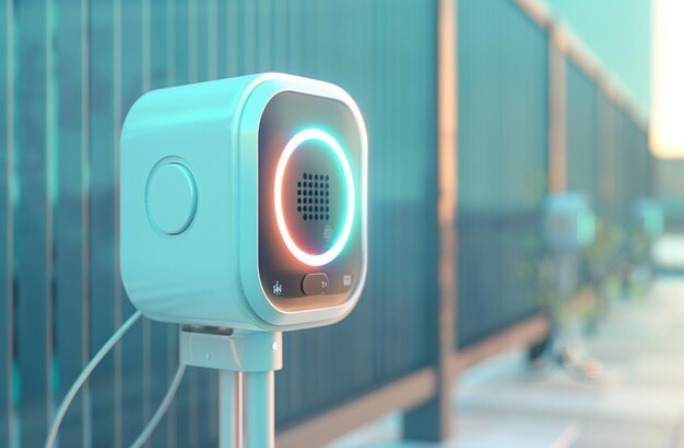

Ensuring the safety and comfort of guests is a top priority for every rental property owner. Modern rental home safety sensors offer an effective way to prevent accidents, detect hazards early, and provide peace of mind for both hosts and visitors. From smoke detectors to smart leak sensors, these devices help minimize risks and protect your investment.
Integrating the right technology not only safeguards your property but also enhances your reputation as a responsible host. Many guests now expect visible safety measures, and well-chosen sensors can set your rental apart from the competition. For those looking to further reduce water-related risks, consider exploring smart leak detection sensors rentals for additional protection.
Why Safety Sensors Matter in Rental Properties
Short-term and long-term rentals face unique safety challenges. Guests are often unfamiliar with the space, making them more vulnerable to hazards that permanent residents might avoid. By installing safety sensors for rental homes, property owners can:
- Detect smoke, fire, or carbon monoxide early and alert guests instantly
- Identify water leaks or flooding before they cause major damage
- Monitor temperature and humidity to prevent mold growth and maintain comfort
- Discourage unauthorized parties or excessive noise through smart monitoring
- Comply with insurance and local safety regulations
These proactive measures not only protect people and property but also reduce liability and potential repair costs.
Types of Sensors Every Rental Should Have
Choosing the right rental home safety sensors depends on your property’s layout, location, and guest profile. Here are the most important types to consider:
1. Smoke and Carbon Monoxide Detectors
Smoke alarms are a legal requirement in most jurisdictions. Modern models often combine smoke and carbon monoxide detection, providing dual protection. Look for interconnected devices that alert all areas simultaneously, ensuring guests are notified wherever they are in the home.
2. Water Leak and Flood Sensors
Leaks from appliances, plumbing, or weather events can cause extensive damage and disrupt guest stays. Placing leak sensors near washing machines, under sinks, and in basements allows for immediate alerts and quick action. For more details on advanced solutions, see our guide to smart leak detection sensors rentals.
3. Temperature and Humidity Sensors
Maintaining optimal indoor conditions is crucial for guest comfort and property preservation. Smart temperature and humidity sensors can help prevent mold, protect electronics, and reduce energy costs. They can also be integrated with HVAC systems for automated climate control. For a deeper dive, visit our resource on smart temperature sensors rental homes.
4. Noise and Occupancy Sensors
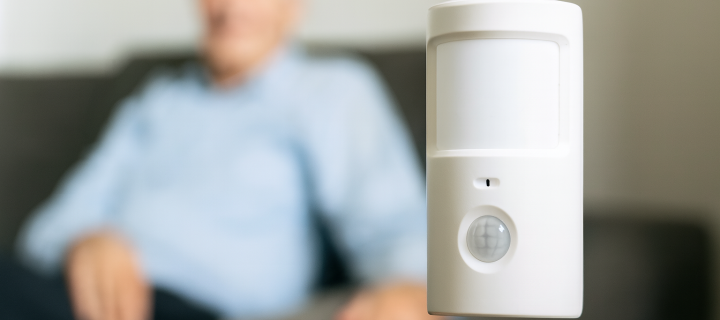
Unapproved gatherings and excessive noise can lead to complaints and property damage. Smart noise sensors monitor sound levels and send alerts if thresholds are exceeded, helping hosts intervene before issues escalate. Occupancy sensors provide insights into guest presence, supporting both safety and energy efficiency. For more on these technologies, check out our articles on smart noise sensors for rentals and occupancy detection rental property.
5. Rodent and Pest Detection
Pest infestations can quickly ruin a guest’s experience. Smart rodent detectors can alert you to activity before it becomes a major problem, allowing for prompt intervention and maintaining a hygienic environment.
How to Choose and Install the Best Devices
When selecting safety sensors for rental homes, consider these key factors:
- Reliability: Choose reputable brands with proven track records.
- Connectivity: Opt for wireless or Wi-Fi-enabled devices for easy installation and remote monitoring.
- Integration: Look for sensors that work with your existing smart home ecosystem or property management software.
- Maintenance: Select models with long battery life and clear maintenance alerts.
- Compliance: Ensure all devices meet local safety codes and insurance requirements.
Proper placement is essential. Install smoke and CO detectors in hallways, bedrooms, and near kitchens. Place leak sensors in areas prone to water exposure. For best results, test all devices regularly and provide clear instructions for guests on what to do if an alarm sounds.
Additional Smart Sensors for Comprehensive Safety
Beyond the basics, consider adding these devices for even greater protection and convenience:
- Humidity sensors for rentals: Prevent mold and structural damage by monitoring moisture levels. Learn more in our article on humidity sensors for rentals.
- Door and window sensors: Enhance security by detecting unauthorized entry or open doors/windows.
- Smart thermostats: Automate temperature control and save on utilities.
Integrating multiple sensors creates a layered approach to safety, addressing risks from several angles and ensuring guests feel secure throughout their stay.
Best Practices for Managing Sensor Data and Alerts
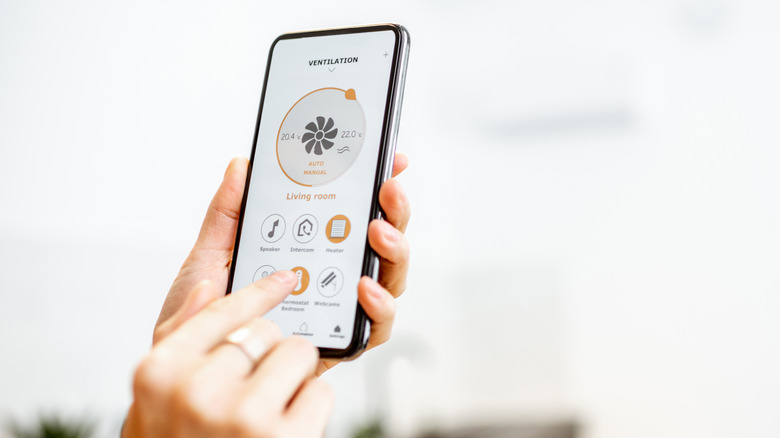
Modern rental home safety sensors often feature app-based controls and real-time notifications. To maximize their effectiveness:
- Set up clear notification preferences so you and your property manager receive timely alerts
- Inform guests about the presence and purpose of each sensor in your welcome materials
- Regularly review sensor data for patterns that could indicate maintenance needs or recurring issues
- Respect guest privacy by only installing sensors in appropriate, non-intrusive locations
For more insights into smart automation and the latest trends in property technology, visit this comprehensive guide to smart home automation for rentals.
FAQs About Safety Sensors in Rental Homes
What are the most important safety sensors to install in a rental property?
Essential devices include smoke and carbon monoxide detectors, water leak sensors, temperature and humidity monitors, and noise sensors. These cover the most common risks and help ensure guest safety.
How often should I test and maintain my rental’s safety sensors?
Test all alarms and sensors monthly, replace batteries as needed, and schedule annual professional inspections for critical devices like smoke detectors. Regular maintenance ensures reliable operation and compliance with regulations.
Are smart sensors difficult to install in a rental home?
Most modern sensors are wireless and designed for easy DIY installation. Many come with adhesive mounts or simple hardware. Always follow manufacturer instructions and local codes when installing safety devices.
Conclusion
Investing in rental home safety sensors is a proactive step that benefits both property owners and guests. By selecting the right combination of devices and maintaining them properly, you can prevent accidents, reduce liability, and create a secure, welcoming environment. As technology evolves, staying informed about the latest solutions will help you protect your property and deliver an outstanding guest experience.