
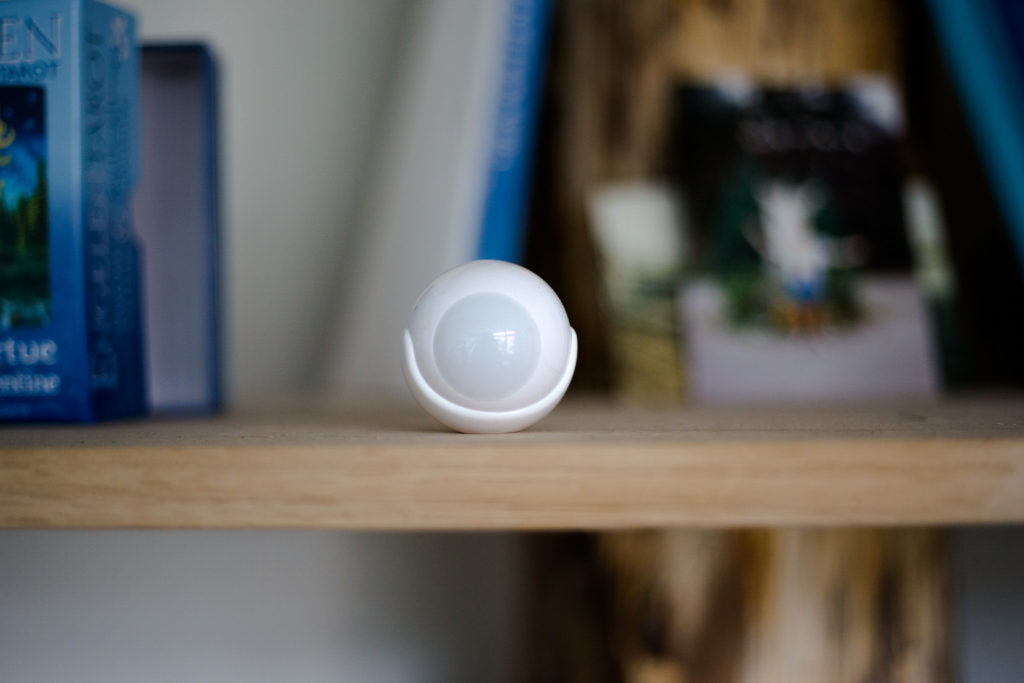

Managing rental properties comes with unique challenges, especially when it comes to protecting them from hidden threats like excess moisture. Humidity sensors for rentals have become an essential tool for landlords and property managers aiming to prevent mold growth, structural damage, and costly repairs. By monitoring indoor air quality and alerting you to dangerous humidity levels, these devices help maintain a healthy environment for tenants and safeguard your investment.
In this guide, you’ll learn how moisture monitoring devices work, what features to look for, and how to choose the right model for your property. We’ll also cover why integrating these sensors with other smart home solutions can further enhance your rental’s protection and operational efficiency. If you’re interested in broader smart monitoring, consider exploring occupancy detection rental property solutions for a comprehensive approach.
Why Moisture Monitoring Matters in Rental Properties
High humidity is a silent culprit in many rental homes and apartments. When left unchecked, it can lead to:
- Mold growth, which poses health risks and can make properties uninhabitable
- Structural damage to walls, ceilings, and floors
- Increased maintenance costs and tenant complaints
- Potential legal liabilities for landlords
Installing humidity sensors for rentals is a proactive step that helps you spot issues before they escalate. These devices continuously track moisture levels and can send real-time alerts if conditions become unsafe, allowing for quick intervention.
Key Features to Look for in Rental Property Humidity Sensors
Not all moisture detectors are created equal. When selecting a sensor for your rental, consider the following features to ensure reliable performance and ease of use:
- Wireless connectivity: Wi-Fi or Zigbee-enabled models allow remote monitoring and integration with other smart devices.
- Mobile alerts: Instant notifications to your phone or email when humidity exceeds safe thresholds.
- Data logging: Historical records help identify patterns and recurring issues.
- Battery life: Long-lasting batteries or hardwired options reduce maintenance needs.
- Discreet design: Compact units blend into living spaces without disrupting tenants.
- Easy installation: Simple mounting or plug-and-play options are ideal for rental environments.
Some advanced models also include temperature sensors, which can further help in maintaining optimal indoor conditions and preventing condensation.
Top Humidity Sensors for Rental Units: What to Consider
When choosing the best option for your rental, it’s important to weigh the unique needs of your property and tenants. Here are some popular types of sensors and what makes them suitable for rental environments:
- Standalone digital hygrometers: Affordable and easy to use, these devices display real-time humidity and temperature readings. They’re ideal for landlords who visit properties regularly.
- Smart home-compatible sensors: Integrate with platforms like HomeKit, Google Home, or Alexa for remote access and automation. These are perfect for tech-savvy owners or those managing multiple units.
- Multi-sensor devices: Combine humidity, temperature, and sometimes air quality monitoring in one unit. This all-in-one approach is efficient for comprehensive property protection.
For a deeper dive into smart monitoring, you can learn more about airbnb smart monitoring devices and how they complement moisture detection in short-term rentals.
Integrating Humidity Sensors with Other Smart Devices
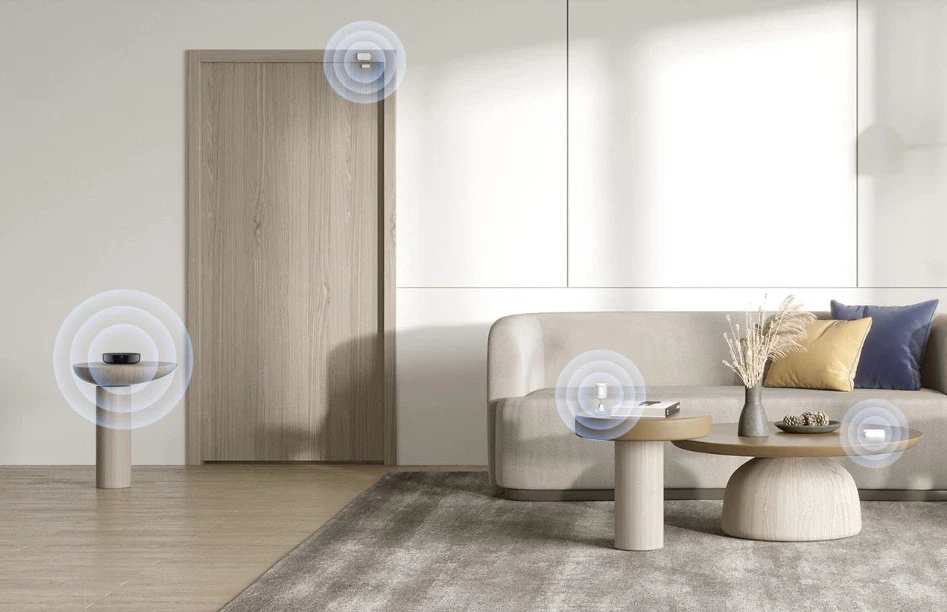
Pairing moisture detectors with other smart home solutions can greatly enhance your rental’s safety and efficiency. For example, connecting sensors to smart thermostats or dehumidifiers allows for automatic climate adjustments when humidity levels rise. This not only prevents mold but also improves tenant comfort and reduces energy costs.
Many property managers are now combining humidity sensors for rentals with smart noise sensors for rentals and occupancy detection tools for a full suite of automated monitoring. This integrated approach streamlines property management and provides peace of mind for both landlords and tenants.
For more on how smart technology is transforming rental management, see this comprehensive guide to smart sensors and their role in home automation.
Best Practices for Installing and Maintaining Humidity Sensors
Proper placement and upkeep are key to getting the most out of your moisture monitoring devices. Here are some tips for landlords and property managers:
- Install sensors in areas prone to dampness, such as bathrooms, kitchens, basements, and laundry rooms.
- Avoid placing devices near vents, windows, or direct sunlight, as this can skew readings.
- Test sensors regularly to ensure accurate data and replace batteries as needed.
- Educate tenants about the purpose of the sensors and encourage them to report any alerts or unusual readings.
- Integrate with property management software or smart home hubs for centralized monitoring.
For those managing multiple properties, consider a cloud-based dashboard that aggregates data from all your units, making it easier to spot trends and address issues proactively.
Additional Smart Solutions for Rental Protection
While moisture monitoring is vital, combining it with other smart technologies can further reduce risks and streamline operations. Some of the most effective additions include:
- Vacation rental sensor systems for all-in-one monitoring
- Smart smoke and carbon monoxide detectors for early warning of fire or gas leaks
- Rodent and pest detection devices to prevent infestations
- Automated leak detectors for plumbing and appliance failures
By building a network of connected sensors, you can create a safer, more attractive rental property that appeals to quality tenants and reduces your long-term maintenance burden. For more ideas, check out the best smart sensors for rentals to improve operational efficiency.
FAQ: Humidity Sensors in Rental Properties
How do humidity sensors help prevent mold in rentals?
These devices continuously monitor indoor moisture levels and alert you when humidity rises above safe limits. By acting quickly on these alerts, landlords can address leaks, improve ventilation, or use dehumidifiers to prevent mold growth before it becomes a problem.
Where should I install moisture sensors in my rental property?
The best locations are areas where moisture tends to accumulate, such as bathrooms, kitchens, basements, and laundry rooms. Avoid placing sensors near windows or vents to ensure accurate readings.
Can I integrate humidity sensors with other smart home devices?
Yes, many modern sensors are compatible with smart home platforms. This allows you to automate responses, such as turning on a dehumidifier or sending alerts to your phone, and to combine them with other monitoring tools for comprehensive property protection.
Are these sensors intrusive for tenants?
Most modern devices are compact and discreet, designed to blend into the environment. When installed thoughtfully and with tenant communication, they provide safety benefits without disrupting daily life.
What is the typical maintenance required for humidity sensors?
Maintenance is minimal—mainly checking batteries or power supply, ensuring the sensor is clean and unobstructed, and testing functionality periodically. Many smart models will alert you when maintenance is needed.