
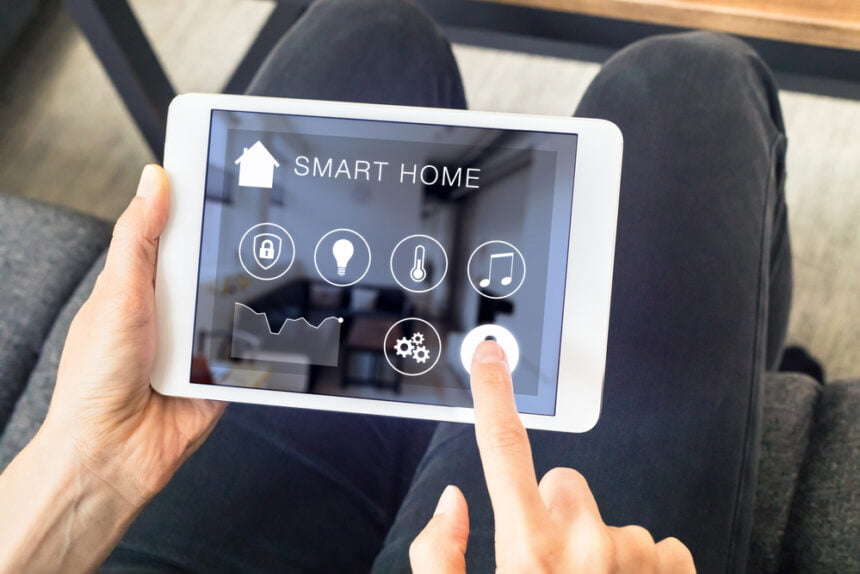

Managing short-term rentals comes with unique challenges, from ensuring property safety to maintaining guest satisfaction and operational efficiency. Vacation rental sensor systems have emerged as a powerful solution for property owners and managers seeking greater oversight and security. These smart devices monitor environmental conditions, detect unusual activity, and provide real-time alerts, allowing for proactive management and a more seamless guest experience.
As the popularity of short-term rentals grows, so does the need for reliable monitoring solutions. Integrating advanced sensors can help prevent costly incidents, optimize energy use, and protect your investment. For those looking to stay ahead in the industry, understanding the full range of sensor options is essential. To explore the best smart sensors for rentals that improve operational efficiency, check out this comprehensive guide.
Why Modern Rentals Need Smart Sensor Solutions
Short-term rental properties face risks that traditional homes may not, including higher guest turnover, unpredictable usage patterns, and increased liability. Smart sensor systems address these challenges by providing real-time data and automated alerts. This technology empowers owners to:
- Detect smoke, fire, and carbon monoxide before they become emergencies
- Monitor for unauthorized parties or excessive noise
- Track temperature and humidity to prevent mold or frozen pipes
- Identify water leaks early to avoid costly damage
- Enhance guest safety and comfort with minimal intrusion
By leveraging these tools, property managers can respond swiftly to issues, reduce insurance claims, and build trust with guests. For a deeper dive into the role of smart sensors in property management, see this resource on smart rental sensors for modern property management.
Key Types of Vacation Rental Sensor Systems
There are several categories of vacation rental sensor systems designed to address specific property management needs. Understanding the main types helps you select the right combination for your rental:
- Environmental Sensors: These monitor temperature, humidity, and air quality. They help maintain a comfortable environment and prevent issues like mold or frozen pipes.
- Smoke and CO Detectors: Essential for guest safety, these sensors provide instant alerts for smoke or carbon monoxide, often integrating with mobile apps for remote monitoring.
- Noise and Occupancy Sensors: Devices that detect excessive noise or unexpected occupancy can help enforce house rules and prevent unauthorized gatherings.
- Water Leak Detectors: Placed near appliances or plumbing, these sensors alert you to leaks before they cause significant damage.
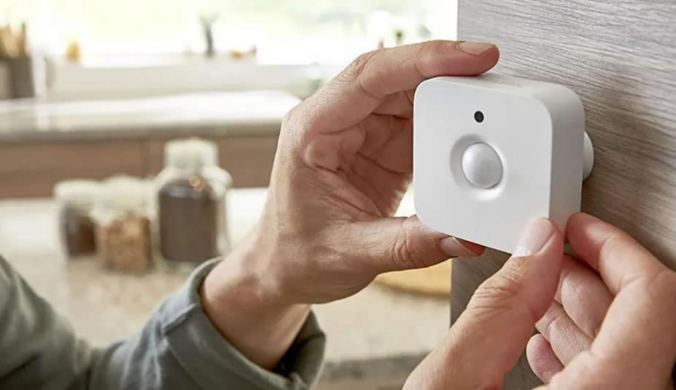
- Motion and Entry Sensors: Used to monitor entry points or sensitive areas, these can deter intruders and provide peace of mind when the property is vacant.
How Smart Sensors Improve Guest Experience and Owner Security
Integrating smart sensors into your rental property offers significant benefits for both guests and owners. For guests, these systems provide a safer, more comfortable environment. For owners, they offer reassurance and reduce the risk of costly incidents. Here’s how:
- Instant Notifications: Receive real-time alerts on your phone for smoke, leaks, or unauthorized activity, allowing for immediate action.
- Remote Monitoring: Check property status from anywhere, reducing the need for frequent site visits.
- Automated Maintenance: Early detection of issues like leaks or temperature fluctuations helps prevent damage and lowers repair costs.
- Policy Compliance: Enforce occupancy and noise rules without invading guest privacy, supporting both safety and guest satisfaction.
For those interested in enhancing guest experience further, consider exploring IoT sensors for vacation rentals that are designed to delight guests while protecting your property.
Choosing the Right Sensor System for Your Property
When selecting a monitoring solution, consider your property’s unique needs, layout, and guest profile. Here are some practical tips:
- Assess Risk Areas: Identify locations prone to leaks, fire, or unauthorized access and prioritize sensor placement there.
- Integration: Choose systems that work with your existing smart home devices or property management software for streamlined control.
- Privacy: Opt for sensors that focus on environmental data or noise levels rather than video, to respect guest privacy while maintaining oversight.
- Ease of Use: Look for solutions with user-friendly apps and reliable customer support.
- Compliance: Ensure your setup meets local regulations and platform requirements, especially for smoke and CO detectors.
For Airbnb hosts, it’s worth reviewing the best smart home sensors for Airbnb to protect your property and meet platform standards.
Integrating Sensor Systems with Home Automation
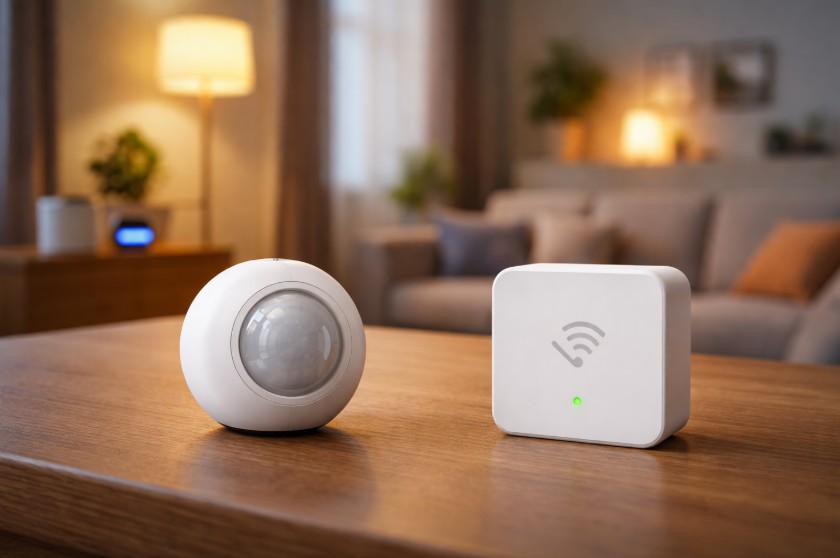
Many modern vacation rental sensor systems seamlessly connect with home automation platforms, enabling advanced features such as automated lighting, climate control, and security routines. This integration not only streamlines property management but also enhances the guest experience by providing a more responsive and comfortable environment.
For a comprehensive overview of how smart sensors fit into broader home automation strategies, refer to this guide to smart sensors and their role in home automation.
Best Practices for Implementing Sensor Technology
To maximize the benefits of smart monitoring, follow these best practices:
- Regular Testing: Periodically test all devices to ensure they are functioning correctly and replace batteries as needed.
- Clear Communication: Inform guests about the presence and purpose of sensors to build trust and transparency.
- Data Privacy: Choose solutions that prioritize guest privacy and comply with local data protection laws.
- Documentation: Keep records of installation, maintenance, and any incidents for insurance and compliance purposes.
- Continuous Improvement: Stay updated on new technologies and upgrade your system as needed to address emerging risks.
For property investors, understanding zoning and regulatory considerations is also crucial. Learn more about Airbnb zoning strategies for investors to ensure your property remains compliant and profitable.
FAQ
What Are the Most Important Sensors for Short-Term Rentals?
The most critical devices include smoke and carbon monoxide detectors, water leak sensors, and noise monitoring devices. These address the primary risks of fire, water damage, and unauthorized gatherings, helping to protect both property and guests.
Do Smart Sensors Infringe on Guest Privacy?
Most modern systems are designed to monitor environmental conditions or noise levels without recording audio or video. It’s important to inform guests about the presence and function of these devices to maintain transparency and trust.
How Can I Integrate Sensors with My Property Management Workflow?
Many sensor solutions offer mobile apps or web dashboards for real-time monitoring and alerts. Some also integrate with property management software, allowing for automated maintenance requests and streamlined communication with cleaning or repair teams.
Are There Any Ongoing Costs Associated with Sensor Systems?
While some devices require a subscription for cloud storage or advanced features, many offer free basic monitoring. Factor in occasional battery replacements and potential upgrades as technology evolves.
Where Can I Learn More About the Latest Sensor Technologies?
Stay informed by exploring resources like the best smart sensors for rentals and related articles on property technology trends.