

Protecting your short-term rental from damage, unauthorized activity, and safety hazards is a top priority for every host. With the rise of smart home sensors for Airbnb properties, it’s now easier than ever to monitor your space, ensure guest safety, and maintain peace of mind—no matter where you are. These devices offer real-time alerts, automation, and insights that can help prevent costly incidents and improve the guest experience.
Choosing the right combination of sensors can be a challenge, especially with so many options on the market. This article explores the most effective sensor types for short-term rentals, how they work, and what to consider when integrating them into your property. If you’re also navigating local regulations, you may find our guide on airbnb zoning strategy for investors helpful for ensuring compliance and maximizing your investment.
Why Smart Sensors Matter for Short-Term Rentals
Short-term rental hosts face unique challenges compared to traditional landlords. Properties are often vacant between stays, and guests may not always treat the space with the same care as a long-term resident. Smart home sensors for Airbnb listings help bridge this gap by providing:
- Real-time alerts for smoke, water leaks, or unauthorized entry
- Automated responses such as shutting off water or activating alarms
- Remote monitoring via smartphone apps, even when you’re offsite
- Evidence in case of disputes or insurance claims
- Improved guest safety and compliance with local regulations
By integrating these technologies, hosts can reduce risks, respond quickly to incidents, and create a safer, more reliable rental environment.
Essential Types of Smart Sensors for Airbnb Hosts
Not all sensors are created equal. The best setup for your property will depend on its size, layout, and risk profile. Here are the most valuable sensor types for vacation rentals:
Entry and Motion Detection
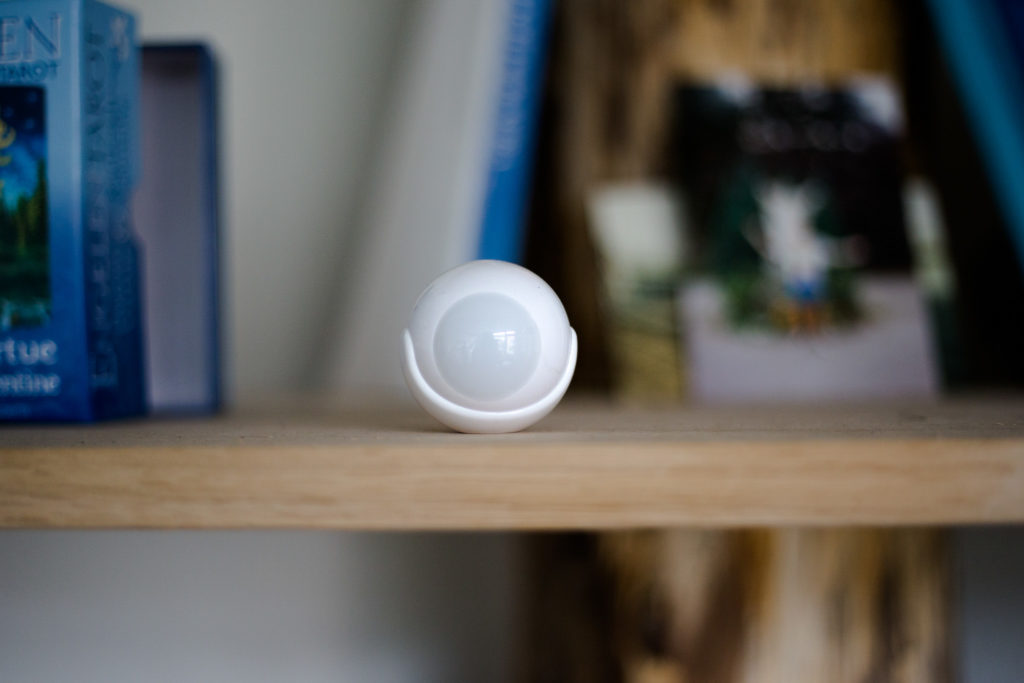
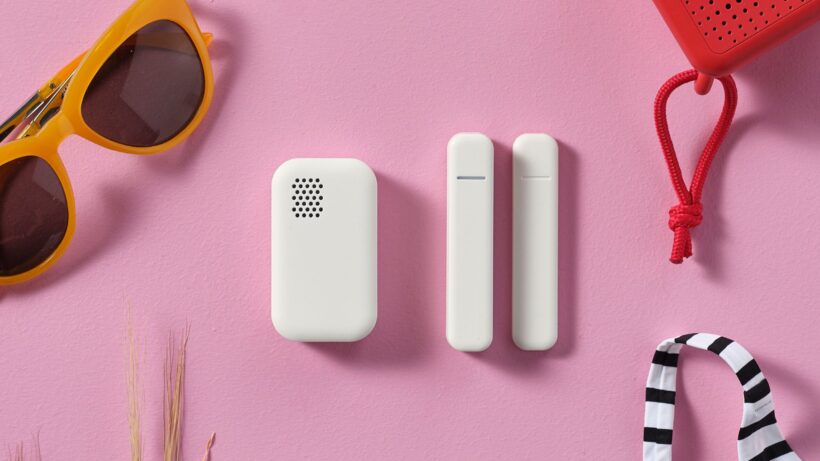
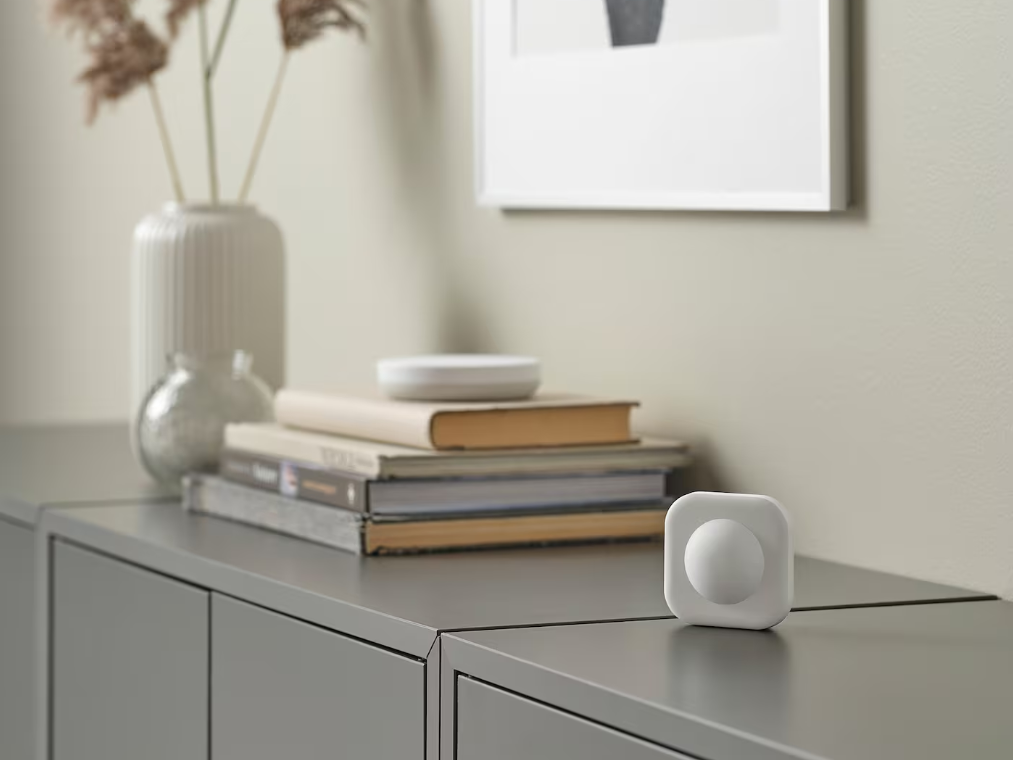
Door and window sensors can alert you when someone enters or leaves the property. Motion detectors add another layer of security, notifying you of unexpected movement in key areas. These devices are especially useful for monitoring entrances, garages, and off-limits spaces.
Environmental Monitoring: Smoke, CO, and Water Leak Sensors
Protecting your guests and property from hazards like fire, carbon monoxide, and water damage is critical. Smart smoke and CO detectors send instant alerts to your phone and can even notify emergency services. Water leak sensors placed near appliances, sinks, and basements help catch leaks early, preventing expensive repairs and guest inconvenience.
Noise and Occupancy Sensors
Excessive noise and unauthorized parties are common concerns for hosts. Noise monitoring devices measure decibel levels and can notify you if things get too loud, helping you address issues before they escalate. Occupancy sensors can detect if more guests are present than allowed, supporting compliance with house rules and local laws.
Advanced Options: Rodent, Air Quality, and Light Sensors
Beyond the basics, some hosts choose to install specialized sensors for added peace of mind:
- Rodent detectors can alert you to pest activity before it becomes a problem.
- Air quality monitors track humidity, VOCs, and allergens, ensuring a healthy environment for guests.
- Light sensors can automate lighting, improving security and guest convenience.
These advanced options can help differentiate your listing and provide an extra layer of protection.
How to Choose the Right Sensors for Your Rental
When selecting smart home sensors for Airbnb properties, consider the following factors:
- Compatibility: Ensure sensors work with your existing smart home hub or Wi-Fi network.
- Ease of installation: Look for wireless, battery-powered options for quick setup and minimal disruption.
- Remote access: Choose devices with mobile app support for real-time monitoring and control.
- Data privacy: Select sensors that respect guest privacy and comply with local regulations. For example, avoid cameras in private areas and always disclose monitoring devices in your listing.
- Integration: Consider how sensors can work together—such as linking a water leak detector to an automatic shutoff valve.
Reading reviews and consulting resources like this comprehensive overview of smart home sensors can help you make informed decisions.
Installation and Best Practices for Hosts
Proper installation and management are key to maximizing the benefits of your sensor system:
- Test each sensor after installation to confirm it’s working as expected.
- Place sensors in strategic locations—entryways, kitchens, bathrooms, and near valuable equipment.
- Regularly check batteries and connectivity, especially before guest check-ins.
- Update your Airbnb listing to disclose the presence of monitoring devices, as required by platform policies.
- Respect guest privacy by avoiding cameras or audio recording devices in private spaces.
For hosts operating in regulated markets, staying updated on local laws is essential. Check out our latest insights on airbnb zoning legislation updates to ensure your property remains compliant.
Benefits of Smart Sensors for Hosts and Guests
Integrating smart technology into your rental offers advantages for both hosts and guests:
- Faster response to emergencies such as fire or leaks
- Reduced risk of property damage and costly repairs
- Enhanced guest safety and comfort
- Automated maintenance and streamlined operations
- Increased trust and positive reviews from guests who value safety
Ultimately, these devices help you run a more efficient, secure, and guest-friendly rental business.
Frequently Asked Questions
Are smart sensors allowed in Airbnb rentals?
Yes, most types of smart sensors—such as smoke detectors, water leak sensors, and entry monitors—are allowed and even encouraged for safety reasons. However, hosts must disclose the presence of any monitoring devices, especially those that track noise or occupancy, and should never place cameras or audio recorders in private areas.
How do I maintain privacy for my guests?
Respecting guest privacy is crucial. Only install sensors in common or utility areas, avoid any devices that record audio or video in private spaces, and clearly state in your listing what types of monitoring are in place. Transparency builds trust and helps avoid complaints or negative reviews.
What is the best way to monitor for parties or large gatherings?
Noise sensors and occupancy monitors are effective tools for detecting unauthorized parties. These devices measure sound levels and can alert you if thresholds are exceeded, allowing you to intervene before issues escalate. Always inform guests of these devices in your house rules and listing description.