
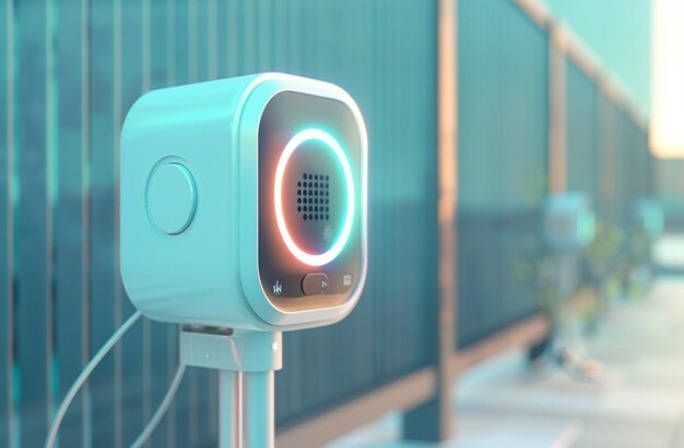

Modern travelers expect comfort, security, and convenience when booking short-term accommodations. Property owners and managers are turning to IoT sensors for vacation rentals to meet these expectations, streamline operations, and safeguard their investments. These smart devices help automate climate control, detect hazards, monitor occupancy, and much more—delivering a seamless experience for both guests and hosts.
Integrating smart sensors into your rental property not only improves guest satisfaction but can also reduce costs and minimize risks. Whether you manage a single Airbnb or a portfolio of short-term rentals, understanding which sensors offer the most value is essential. For those looking to optimize their property management approach, resources like airbnb zoning strategy for investors can also provide valuable insights for compliance and profitability.
Why Smart Sensors Matter in Short-Term Rentals
Smart technology is rapidly transforming the hospitality industry. By deploying IoT sensors for vacation rentals, property owners can:
- Enhance guest comfort with automated temperature and lighting controls.
- Improve safety through real-time alerts for smoke, water leaks, or unauthorized entry.
- Reduce operational costs by optimizing energy usage and detecting maintenance issues early.
- Protect property against damage, pests, and security threats.
These benefits translate to better reviews, increased bookings, and peace of mind for both hosts and guests.
Essential Types of IoT Sensors for Vacation Rentals
Choosing the right mix of sensors depends on your property type, location, and guest profile. Here are the most impactful categories to consider:
1. Smart Entry and Occupancy Sensors
Access control is a top priority for both hosts and guests. Smart locks and occupancy sensors allow for:
- Seamless self-check-in and check-out experiences.
- Real-time monitoring of guest arrivals and departures.
- Alerts if unauthorized access is attempted.
Some systems can even integrate with booking platforms to automate code generation and revocation, reducing manual intervention and enhancing security.

2. Environmental Monitoring: Temperature, Humidity, and Air Quality
Maintaining a comfortable and healthy indoor environment is crucial for guest satisfaction. Environmental sensors can:
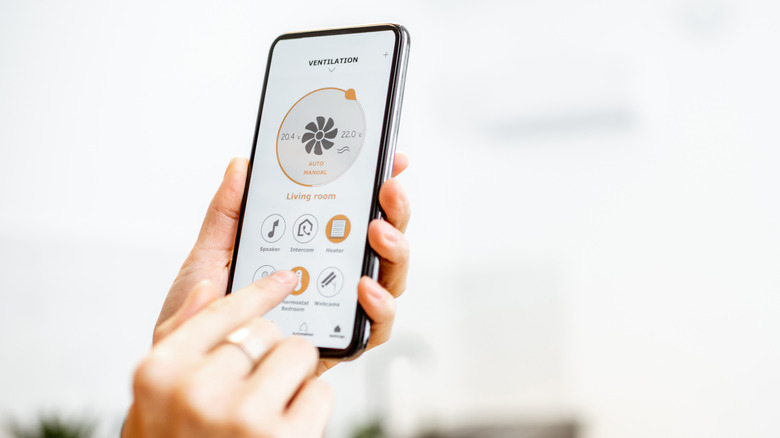
- Automatically adjust heating, cooling, and ventilation based on occupancy and weather.
- Alert hosts if temperatures fall outside safe ranges, preventing frozen pipes or mold growth.
- Monitor air quality and humidity to ensure a pleasant stay.
For example, temperature sensors can be integrated with smart thermostats to optimize energy use when the property is vacant, while still ensuring the space is comfortable upon guest arrival.
3. Leak and Smoke Detection for Property Protection
Water leaks and fire hazards are among the most costly risks for rental properties. Installing smart leak and smoke detectors provides:
- Instant alerts to your phone or property management system if water or smoke is detected.
- Early intervention to prevent extensive damage and costly repairs.
- Peace of mind for both hosts and guests, knowing the property is monitored 24/7.
Some advanced sensors can even shut off water supply automatically when a leak is detected, minimizing the risk of flooding.
4. Pest and Rodent Monitoring Solutions
Pest issues can quickly lead to negative reviews and lost revenue. Smart rodent detectors and pest sensors help by:
- Alerting you to rodent activity before it becomes a major problem.
- Allowing for proactive pest control and minimizing guest exposure.
- Reducing the need for frequent manual inspections.
For property owners seeking to automate pest management, devices like smart rodent detectors can be a game-changer.
5. Energy and Utility Monitoring
Keeping track of energy and water usage is not only good for the environment but also for your bottom line. Utility monitoring sensors can:
- Identify abnormal consumption patterns that may indicate leaks or equipment malfunctions.
- Help you set usage benchmarks and optimize for efficiency.
- Provide guests with real-time feedback, encouraging responsible usage.
Many modern platforms allow integration with smart meters and utility dashboards, making it easy to track and analyze data over time.
How to Choose the Right IoT Devices for Your Rental
With so many options available, selecting the best sensors for your property can feel overwhelming. Here are some tips to guide your decision:
- Assess your property’s unique needs: Consider location, climate, guest demographics, and risk factors.
- Prioritize compatibility: Choose devices that integrate with your existing smart home platform or property management system.
- Look for ease of installation and maintenance: Wireless, battery-powered sensors are often easier to deploy and maintain.
- Consider guest privacy: Avoid intrusive surveillance and clearly communicate what sensors are in use.
- Review compliance requirements: Some jurisdictions have specific rules for short-term rentals. For more on this, see resources like short term rental zoning best practices.
Integrating IoT Sensors with Property Management
To maximize the benefits of smart technology, integrate your sensors with a centralized platform. This allows you to:
- Receive real-time alerts and automate responses to incidents.
- Generate reports for maintenance, energy usage, and guest feedback.
- Remotely monitor multiple properties from a single dashboard.
Some platforms also offer predictive analytics, helping you anticipate issues before they impact guests. For a deeper dive into automation and integration, explore this overview of smart home automation for rentals.
Best Practices for Implementing Smart Sensors
To ensure a smooth rollout and positive guest experience, follow these best practices:
- Test devices before guest stays to confirm functionality and reliability.
- Educate guests about the benefits and privacy aspects of installed sensors.
- Maintain and update devices regularly to prevent malfunctions.
- Document your setup for future reference and compliance checks.
By following these steps, you can build trust with guests and protect your investment for the long term.
FAQ: IoT Sensors in Short-Term Rental Properties
What are the most important IoT sensors for vacation rentals?
The most valuable sensors typically include smart locks, occupancy detectors, temperature and humidity monitors, leak and smoke detectors, and pest monitoring devices. The right combination depends on your property’s unique needs and risk factors.
How do smart sensors improve guest satisfaction?
By automating comfort controls, providing instant alerts for hazards, and ensuring a safe environment, smart sensors help create a seamless and enjoyable guest experience. Guests appreciate the convenience and peace of mind these technologies provide.
Are there privacy concerns with using IoT sensors?
Yes, privacy is a key consideration. It’s important to avoid installing cameras or microphones in private areas and to clearly communicate to guests what sensors are in use. Most environmental and utility sensors do not collect personal data and are focused on safety and property protection.
Can IoT sensors help with regulatory compliance?
Smart sensors can support compliance by providing documentation of safety measures, energy usage, and occupancy. For more on regulatory considerations, see resources like airbnb zoning legislation updates.
Conclusion
Adopting IoT sensors for vacation rentals is a practical way to enhance guest comfort, protect your property, and streamline operations. By selecting the right devices and integrating them thoughtfully, you can deliver a superior rental experience and set your property apart in a competitive market. As technology evolves, staying informed and proactive will ensure your rental remains both appealing and secure for every guest.