

Water leaks are among the most common and costly issues faced by property owners and managers. For those who manage or own rental properties, even a small leak can quickly escalate into significant water damage, resulting in expensive repairs, unhappy tenants, and potential loss of rental income. Smart leak detection sensors rentals offer a proactive solution, helping landlords and property managers catch leaks early and prevent disaster before it strikes.
In this article, we’ll explore how these devices work, why they’re especially valuable for rental properties, and how they fit into a broader smart home strategy. We’ll also highlight related technologies, such as humidity sensors for rentals, that can further protect your investment.
Why Water Damage Is a Major Risk for Rental Properties
Rental homes and apartments are particularly vulnerable to water-related issues. Tenants may not always notice or report small leaks promptly, and vacant periods can allow unnoticed problems to worsen. Common sources of leaks include:
- Leaking pipes under sinks or behind walls
- Faulty water heaters or washing machines
- Overflowing toilets or bathtubs
- Roof or window leaks during storms
Unchecked, these issues can lead to mold growth, structural damage, and high repair costs. Insurance may not cover all damages, especially if the problem was preventable. That’s why installing smart leak detection sensors rentals is a smart move for anyone managing rental properties.
How Smart Leak Detection Devices Work
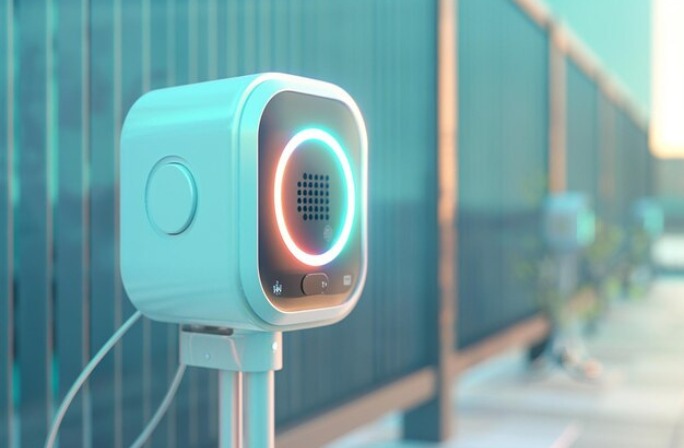
Modern leak detectors are compact, wireless devices that monitor for the presence of water in key areas. When moisture is detected, they send instant alerts to your phone or property management system, allowing for quick action. Many models also monitor temperature and humidity, providing additional protection against frozen pipes and mold.
Key features of these devices include:
- Wireless connectivity (Wi-Fi or Zigbee)
- Mobile app notifications
- Battery-powered operation for easy placement
- Integration with smart home hubs and automation systems
- Audible alarms for local alerts
Some advanced systems can even shut off the water supply automatically when a leak is detected, minimizing damage and giving landlords peace of mind.
Choosing the Right Leak Detection Solution for Your Rental
Not all leak sensors are created equal. When selecting devices for your rental property, consider the following factors:
- Coverage: Identify high-risk areas such as kitchens, bathrooms, laundry rooms, and basements. Place sensors wherever water leaks are likely to occur.
- Connectivity: Choose sensors that work with your existing Wi-Fi network or smart home hub for seamless integration and remote monitoring.
- Alert System: Ensure the device sends real-time notifications to your phone or property management dashboard, so you can act quickly.
- Power Source: Battery-operated sensors offer flexible placement, but check battery life and maintenance requirements.
- Integration: For maximum protection, select sensors that can connect with other smart devices, such as shut-off valves, temperature monitors, or security systems.
Combining leak detection with other smart sensors—like smart temperature sensors rental homes—can help you monitor environmental conditions and save on utilities.
Benefits of Smart Leak Detection for Landlords and Tenants
Installing smart leak sensors in rental properties offers advantages for both landlords and residents:
- Early Warning: Immediate alerts allow for fast response, reducing the risk of major water damage.
- Cost Savings: Preventing leaks saves money on repairs, insurance claims, and lost rental income.
- Tenant Satisfaction: Tenants appreciate proactive maintenance and a safe, comfortable living environment.
- Lower Insurance Premiums: Some insurers offer discounts for properties equipped with leak detection technology.
- Remote Management: Landlords can monitor multiple properties from anywhere, making it easier to manage short-term and long-term rentals.
By taking a proactive approach, property owners can avoid the headaches and expenses associated with water damage.
Integrating Leak Sensors with Other Smart Home Devices
Leak detection is just one part of a comprehensive smart property strategy. Many landlords are now adding devices such as smart noise sensors for rentals and occupancy detection rental property solutions to improve security, monitor guest activity, and optimize energy use.
For a full overview of essential smart home technology, see this guide to must-have smart home sensors. Integrating multiple devices can provide real-time insights and automate responses to potential problems, making property management more efficient and less stressful.
Installation Tips for Leak Sensors in Rental Units
Setting up leak detectors is straightforward, but a few best practices can help you get the most out of your investment:
- Test each sensor before installation to confirm it works and connects to your network.
- Place sensors flat on the floor near water sources, such as under sinks, behind toilets, and next to appliances.
- Label each device in your app to easily identify its location if an alert is triggered.
- Schedule regular checks or ask tenants to test sensors during routine maintenance visits.
- Inform tenants about the sensors and how they work, so they know what to expect if an alarm sounds.
For multi-unit buildings, consider a centralized monitoring system to streamline management and response.
Expanding Your Smart Property Toolkit
Leak detection is just one piece of the puzzle for modern rental property management. Many owners are also adopting Airbnb smart monitoring devices to enhance safety and privacy, as well as environmental sensors to prevent mold and optimize comfort.
By combining smart leak detection sensors rentals with other technologies, you can create a safer, more efficient, and more attractive property for tenants and guests alike.
Frequently Asked Questions
Where should I place leak detection sensors in a rental property?
Install sensors in areas most prone to water leaks, such as under sinks, behind toilets, near water heaters, laundry machines, and in basements. For maximum coverage, consider placing devices in every room with plumbing fixtures.
Can tenants disable or tamper with smart leak sensors?
Most modern leak detectors are designed to be tamper-resistant and will send alerts if moved or disconnected. It’s important to inform tenants about the purpose of these devices and include guidelines in your rental agreement to prevent tampering.
Do leak sensors require a smart home hub to work?
Many leak detectors connect directly to Wi-Fi and don’t require a separate hub. However, integrating them with a smart home hub can enable advanced automation, such as shutting off the water supply or triggering other devices in response to a leak.