
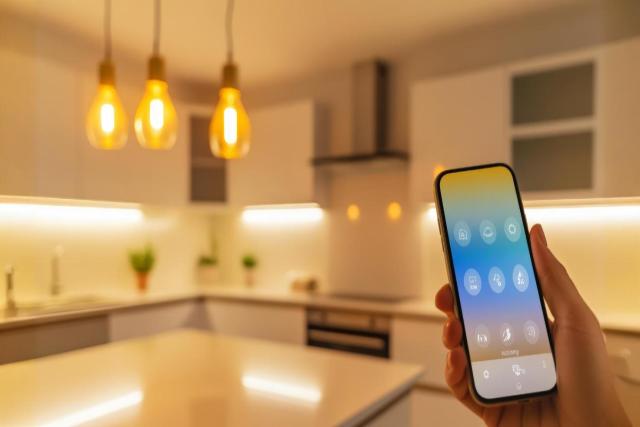

Protecting rental properties is a top priority for landlords and property managers. With the rise of smart home technology, installing rental property security system sensors has become one of the most effective and convenient ways to enhance safety. These devices offer peace of mind for both owners and tenants, providing real-time alerts and easy installation without the need for complex wiring or permanent modifications.
Whether you manage a single-family home, an apartment, or a short-term rental, choosing the right security sensors can help deter intruders, detect hazards, and monitor activity. In this guide, we’ll explore the most reliable sensor types, key features to look for, and tips for seamless setup. If you’re interested in related solutions, you might also want to learn about smart leak detection sensors rentals to prevent water damage in your properties.
Why Smart Security Sensors Are Essential for Rentals
Modern security system sensors for rental properties offer several advantages over traditional alarm systems. They are typically wireless, easy to install, and can be managed remotely via smartphone apps. This flexibility is especially valuable for rental units, where minimizing property alterations is important and tenants may change frequently.
- Quick installation: Most sensors use adhesive backing or simple mounting hardware, requiring no drilling or rewiring.
- Remote monitoring: Owners and property managers can receive instant alerts on their phones, even when off-site.
- Customizable setups: Sensors can be moved or reconfigured between tenants or as needs change.
- Cost-effective: Many options are affordable and require little to no monthly fees.
Integrating these devices into your rental units not only helps prevent theft and damage but also increases the perceived value of your property for prospective tenants.
Types of Sensors for Rental Property Security
There are several types of rental property security system sensors to consider, each serving a unique purpose. Selecting the right combination depends on your property’s layout, risk factors, and tenant preferences.
Entry Sensors (Door and Window)
Entry sensors are the foundation of any security setup. They detect when a door or window is opened, sending alerts to your phone or security hub. These are ideal for monitoring main entrances, patio doors, and ground-floor windows.
Motion Detectors
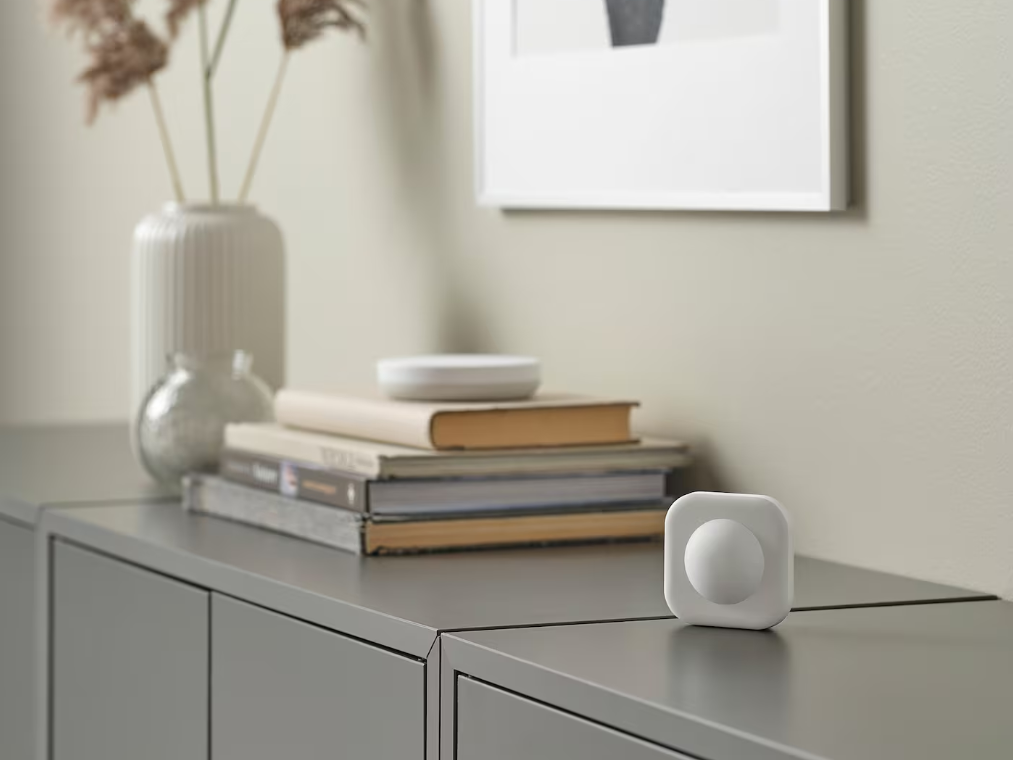
Motion sensors use infrared or microwave technology to detect movement within a designated area. They are perfect for common spaces, hallways, or rooms with multiple entry points. Many models allow you to adjust sensitivity to avoid false alarms from pets.

Glass Break Sensors
These sensors detect the sound or vibration of breaking glass, providing an extra layer of protection for windows and sliding doors. They are especially useful in areas where forced entry through glass is a concern.
Environmental Sensors
Beyond intrusion detection, environmental sensors help safeguard your property from hazards like smoke, carbon monoxide, water leaks, and extreme temperatures. For example, smart temperature sensors rental homes can help you monitor HVAC performance and prevent costly damage from freezing pipes.
Specialty Sensors
Some advanced systems offer unique options such as smart rodent detectors, humidity sensors, or noise monitoring devices. These can be especially valuable for short-term rentals or properties in high-risk areas. For mold prevention, consider humidity sensors for rentals to monitor indoor air quality and avoid long-term damage.
Key Features to Look for in Security Sensors
When choosing security system sensors for rental properties, consider the following features to ensure easy setup and reliable performance:
- Wireless connectivity: Look for sensors that use Wi-Fi, Zigbee, or Z-Wave for hassle-free installation and integration with smart home platforms.
- Battery life: Opt for devices with long-lasting batteries or low-battery alerts to minimize maintenance between tenants.
- Mobile app support: Ensure you can monitor and control sensors remotely, receive instant notifications, and adjust settings as needed.
- Tenant-friendly design: Choose sensors that are easy to remove or relocate without damaging walls or fixtures.
- Integration options: Some sensors work with voice assistants or can be linked with other smart devices for automated routines.
For a detailed breakdown of sensor types and compatibility, refer to this comprehensive guide to choosing sensors for smart homes.
Simple Installation Tips for Landlords and Tenants
One of the main benefits of modern rental property security system sensors is their straightforward installation. Here are some practical tips to ensure a smooth setup:
- Plan sensor placement: Identify high-risk entry points and common areas that need coverage. Avoid placing motion sensors near heat sources or direct sunlight.
- Follow manufacturer instructions: Most sensors come with step-by-step guides and adhesive strips or mounting brackets for tool-free installation.
- Test each device: After setup, trigger each sensor to confirm it sends alerts and is properly connected to your hub or app.
- Educate tenants: Provide simple instructions for arming/disarming sensors and troubleshooting common issues.
- Maintain regularly: Replace batteries as needed and check sensor status between tenant turnovers.
For properties with frequent guest turnover, such as short-term rentals, consider using smart noise sensors for rentals to prevent unauthorized parties and maintain neighborhood peace.
Integrating Sensors with Other Smart Devices
For maximum protection and convenience, consider integrating your security sensors with other smart home devices. Many systems allow you to create automated routines, such as turning on lights when motion is detected or sending alerts if a door is left open. You can also combine occupancy detection with security sensors to optimize energy use and monitor guest activity. Learn more about occupancy detection rental property solutions for added efficiency.
Frequently Asked Questions
What are the most important sensors for rental property security?
The most essential devices include door and window entry sensors, motion detectors, and environmental sensors like smoke and carbon monoxide alarms. Depending on your property, you may also benefit from glass break sensors, leak detectors, or noise monitors.
Can I install security sensors in a rental without damaging the property?
Yes, most modern sensors are designed for easy, non-invasive installation using adhesive strips or removable mounts. They can be installed and removed without leaving permanent marks, making them ideal for rental units.
How do I choose the right sensors for my rental property?
Consider your property’s layout, risk factors, and tenant needs. Look for wireless, battery-powered devices with remote monitoring capabilities. For more detailed advice, consult a guide to selecting home security sensors that covers compatibility and features.
Conclusion
Investing in the right rental property security system sensors is a smart move for any landlord or property manager. These devices offer a simple, effective way to protect your investment, enhance tenant satisfaction, and reduce the risk of costly incidents. By selecting easy-to-install, reliable sensors and integrating them with other smart home technologies, you can create a safer, more attractive rental property with minimal effort.