
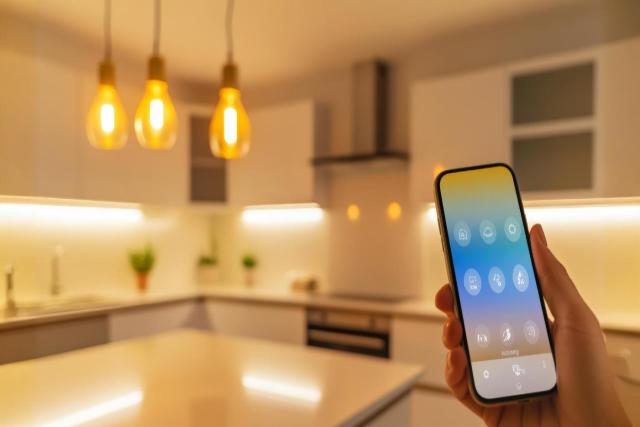

Managing multiple properties comes with a unique set of challenges, especially when it comes to tracking assets, monitoring conditions, and ensuring the safety of tenants and buildings. The rise of smart sensor app for property managers technology is transforming how property professionals oversee their portfolios. These solutions offer mobile access to real-time data, making it easier to monitor everything from HVAC systems and smoke detectors to rodent activity and unauthorized access—no matter where you are.
With the right mobile platform, property managers can streamline operations, reduce manual checks, and respond instantly to alerts. This guide explores the core features, benefits, and best practices for implementing a mobile asset tracking solution using smart sensors. For those managing growing portfolios, integrating scalable technology is essential. Learn more about scalable rental sensor systems to future-proof your property management strategy.
Why Mobile Asset Tracking Matters for Property Managers
Traditional property management often relies on manual inspections, spreadsheets, and delayed reporting. These methods can lead to missed issues, increased costs, and tenant dissatisfaction. A smart sensor app for property managers changes the game by providing instant access to critical data from anywhere. Whether you oversee a handful of units or a large portfolio, mobile monitoring offers several advantages:
- Real-time Alerts: Receive immediate notifications about smoke, leaks, break-ins, or rodent activity.
- Remote Oversight: Check property status and asset conditions without being on-site.
- Automated Reporting: Generate maintenance logs and compliance documentation automatically.
- Reduced Downtime: Address issues before they escalate, minimizing costly repairs and tenant complaints.
- Centralized Dashboard: Manage multiple properties and devices from a single mobile interface.
Key Features of a Modern Smart Sensor Platform
Choosing the right mobile solution means looking for features that support your workflow and property types. Here are the essential components to consider in a smart sensor app for property managers:
- Multi-Sensor Integration: Support for smoke, motion, temperature, humidity, leak, and rodent sensors.
- Customizable Alerts: Set thresholds and notification preferences for different asset types or locations.
- Mobile Accessibility: Native apps or responsive web dashboards for on-the-go monitoring.
- Historical Data & Analytics: Track trends, identify recurring issues, and optimize maintenance schedules.
- Role-Based Access: Assign permissions to team members, contractors, or owners as needed.
- Integration with Other Tools: Connect with property management software, access control, or smart locks.
For a deeper dive into sensor selection, review this comprehensive guide to choosing sensors for property automation.

How Mobile Sensor Apps Improve Daily Operations
Implementing a mobile-first sensor solution can transform the way property managers work. Here’s how these platforms deliver value day-to-day:
- Faster Response Times: When a sensor detects a problem, the app sends a push notification or SMS, allowing you to act immediately—whether it’s dispatching maintenance or contacting emergency services.
- Preventive Maintenance: By tracking environmental data (like humidity or temperature), you can spot trends that indicate potential issues (such as mold risk or HVAC failure) before they become emergencies.
- Compliance and Documentation: Automated logs help with insurance claims, regulatory compliance, and tenant communications.
- Tenant Satisfaction: Quick issue resolution and proactive maintenance lead to happier tenants and fewer complaints.
For those managing short-term rentals, integrating these tools with Airbnb host monitoring tools can further streamline oversight and guest safety.
Popular Use Cases for Smart Sensor Technology
The flexibility of mobile sensor platforms means they can be adapted to a wide range of property types and management needs. Some of the most common applications include:
- Smoke and Fire Detection: Instantly alert managers to smoke or fire hazards, reducing risk and ensuring rapid response.
- Water Leak Monitoring: Detect leaks early to prevent costly water damage and mold growth.
- Rodent and Pest Detection: Use smart traps and detectors to monitor for infestations and schedule timely interventions.
- Access Control: Track entry and exit events, monitor for unauthorized access, and integrate with smart locks.
- Environmental Monitoring: Keep tabs on temperature, humidity, and air quality to protect property and tenant health.
For managers of multi-unit properties, explore the benefits of property manager smart sensors designed for larger portfolios.
Best Practices for Implementing a Mobile Sensor Solution
To get the most from your investment in mobile asset tracking, consider these best practices:
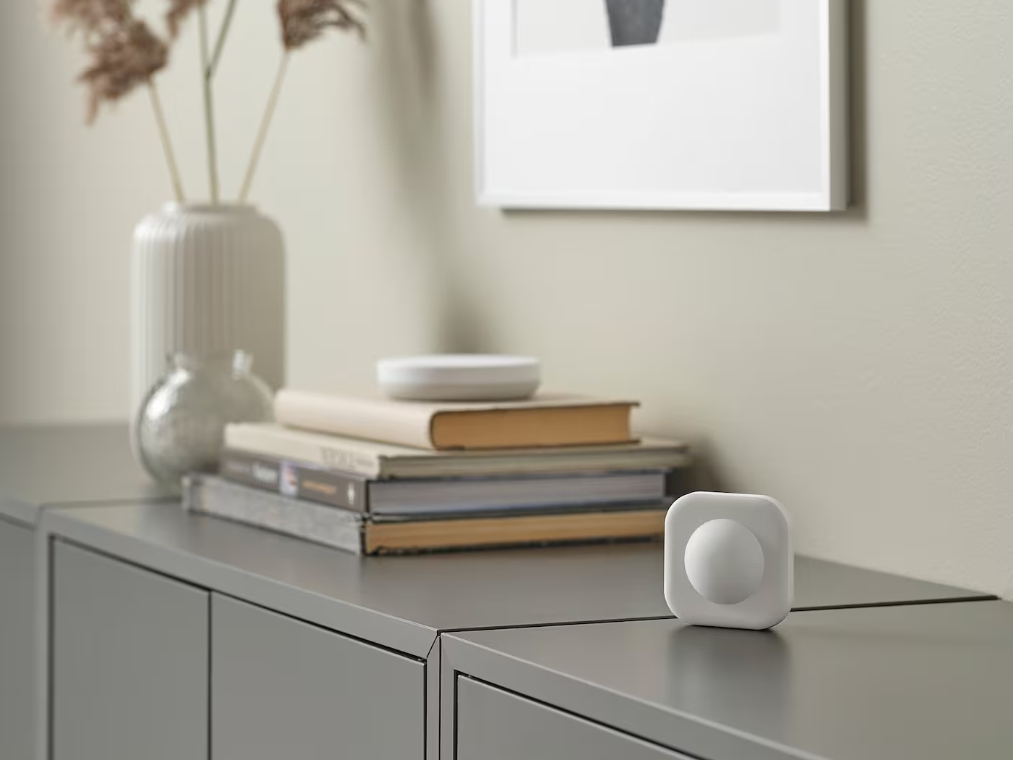
- Assess Your Needs: Identify which assets and risks are most important for your properties—smoke, water, pests, or access control.
- Choose Compatible Devices: Ensure your sensors work seamlessly with your chosen app and existing property management tools.
- Plan for Scalability: Select a platform that can grow with your portfolio, adding new sensors or properties as needed.
- Train Your Team: Make sure staff and contractors understand how to use the app, respond to alerts, and maintain devices.
- Regularly Review Data: Use analytics to spot trends, optimize maintenance, and improve tenant satisfaction.
For enhanced entry management, integrating rental property access sensors can further secure your buildings and simplify guest or tenant turnover.
Integrating Smart Sensor Apps With Other Property Management Tools
Modern property managers often juggle multiple platforms for accounting, leasing, and maintenance. The best sensor apps offer integrations or open APIs, allowing you to:
- Sync sensor alerts with maintenance ticketing systems
- Automate tenant notifications for safety events
- Generate compliance reports for insurance or regulatory bodies
- Combine sensor data with occupancy or energy management tools for deeper insights
Look for solutions that support easy integration and provide robust documentation for your IT team or third-party vendors.
FAQ
What types of sensors can be managed with a mobile app?
Most advanced platforms support a wide range of devices, including smoke detectors, water leak sensors, motion detectors, temperature and humidity monitors, pest detection devices, and access control sensors. Always verify compatibility before purchasing new hardware.
How secure are mobile smart sensor platforms?
Security is a top priority for reputable providers. Look for apps that offer encrypted data transmission, two-factor authentication, and regular security updates. Role-based access controls help ensure only authorized users can view or manage sensitive information.
Can I use these solutions for short-term rental properties?
Absolutely. Mobile sensor apps are ideal for short-term rental hosts who need to monitor properties remotely and respond quickly to issues. Integration with smart alert systems for hosts can further enhance guest safety and streamline operations.
Do I need technical expertise to set up smart sensors?
Most modern solutions are designed for easy installation and setup. Many sensors are wireless and come with step-by-step guides. For complex integrations or large portfolios, you may want to consult with a professional installer or IT specialist.
Conclusion
Adopting a smart sensor app for property managers is a practical step toward more efficient, responsive, and secure property oversight. By leveraging mobile technology and integrated sensors, you can protect your assets, improve tenant satisfaction, and simplify daily operations. As the industry evolves, staying ahead with the right tools will help you manage properties of any size with confidence and ease.