

Short-term rental operators and property managers are increasingly turning to smart occupancy sensors rental solutions to improve guest experience, streamline operations, and protect their properties. These advanced devices provide real-time insights into guest presence, enabling hosts to optimize energy usage, enhance security, and ensure compliance with local regulations. As the rental industry evolves, understanding how these sensors work and how to implement them effectively can make a significant difference for both small-scale hosts and large portfolio managers.
Integrating intelligent monitoring technology is no longer just about convenience—it’s about gaining actionable data to make informed decisions. Whether you manage a single vacation home or multiple units, leveraging occupancy tracking technology can help you reduce costs, automate processes, and provide peace of mind for both you and your guests. For those managing larger portfolios, exploring scalable rental sensor systems can further enhance operational efficiency.
How Modern Occupancy Sensors Work in Rental Properties
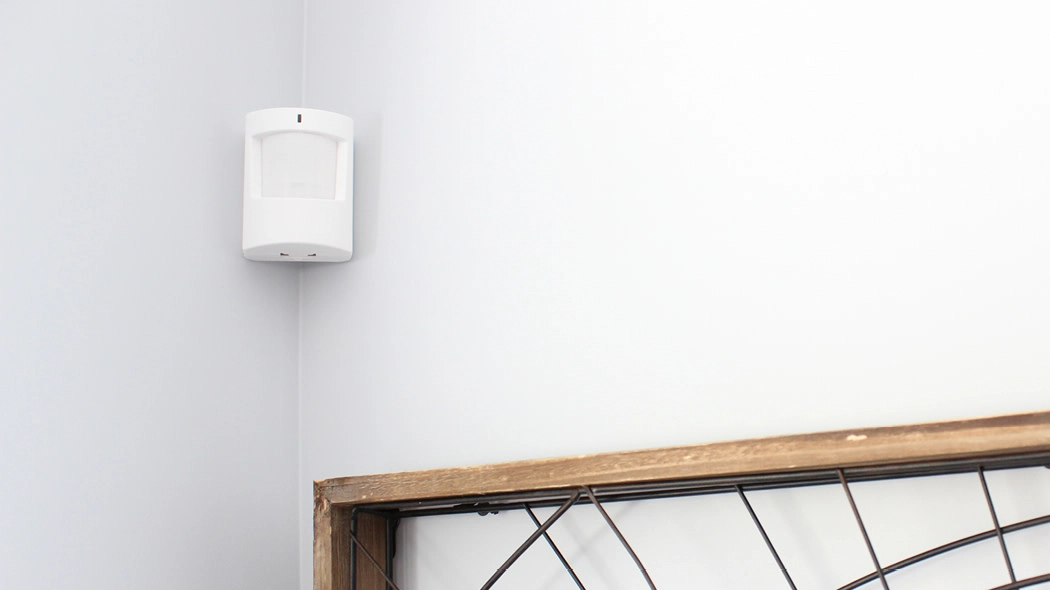
Today’s smart occupancy sensors rental solutions use a combination of technologies to detect and monitor guest presence. Common sensor types include passive infrared (PIR), ultrasonic, microwave, and even AI-powered visual sensors. These devices are typically installed in living areas, entryways, or bedrooms to monitor motion, heat signatures, or sound patterns.
When a sensor detects movement or a change in the environment, it sends a signal to a central hub or cloud platform. Property managers can then access this data remotely via mobile apps or web dashboards. Some advanced systems integrate with other smart home devices, such as thermostats, lighting, or security alarms, enabling automated responses based on occupancy status.
For example, if a guest leaves the property, the system can automatically adjust the thermostat to save energy or send an alert if unexpected activity is detected. This level of automation not only enhances security but also contributes to significant cost savings over time.
Benefits of Occupancy Tracking for Short-Term Rentals
Implementing occupancy tracking technology in rental units offers a range of advantages for hosts and property managers:
- Energy Efficiency: Automatically adjust heating, cooling, and lighting based on guest presence, reducing utility costs.
- Security Enhancement: Receive instant notifications if unauthorized access or unusual activity is detected.
- Guest Privacy and Comfort: Modern sensors are designed to be non-intrusive, ensuring privacy while still providing valuable data.
- Regulatory Compliance: Monitor occupancy limits to comply with local laws and avoid fines or penalties.
- Maintenance Optimization: Schedule cleaning and maintenance only when units are vacant, improving operational efficiency.
For property managers overseeing multiple units, integrating property manager smart sensors can further streamline operations and provide centralized control over all assets.
Choosing the Right Sensor System for Your Property
Selecting the best occupancy monitoring solution depends on your property type, guest turnover rate, and specific operational needs. Here are some key considerations:
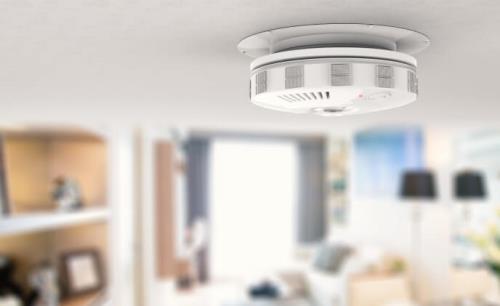
- Sensor Type: PIR sensors are cost-effective and reliable for basic motion detection, while ultrasonic and microwave sensors offer higher sensitivity. AI-powered sensors can distinguish between humans and pets for greater accuracy.
- Integration Capabilities: Look for systems that integrate with your existing smart home devices, such as locks, thermostats, or security cameras. This enables seamless automation and centralized control.
- Data Privacy: Choose solutions that prioritize guest privacy, using anonymized data and clear policies to build trust with renters.
- Remote Access: Ensure the platform offers remote monitoring and real-time alerts, so you can respond quickly to any issues.
- Scalability: For those managing multiple units, opt for platforms that support easy expansion and centralized management.
If you’re interested in more advanced alerting features, consider integrating a smart alert system for hosts to receive instant notifications about occupancy changes or security events.
Installation and Setup Tips for Rental Hosts
Proper installation is key to maximizing the effectiveness of your smart occupancy sensors rental setup. Here are some practical tips:
- Strategic Placement: Install sensors in high-traffic areas such as entryways, living rooms, and hallways. Avoid placing them near heating vents or direct sunlight, which can cause false triggers.
- Test Coverage: After installation, test each sensor to ensure it covers the intended area without blind spots. Adjust angles or locations as needed.
- Integrate with Other Devices: Connect sensors to your smart thermostat, lighting, or security system for automated responses.
- Regular Maintenance: Check batteries and firmware updates regularly to maintain optimal performance.
- Inform Guests: Clearly communicate to guests that sensors are used for energy management and security, not for surveillance, to maintain transparency and trust.
For secure entry management, pairing occupancy sensors with rental property access sensors can further enhance property protection and streamline check-in/check-out processes.
Privacy and Compliance Considerations
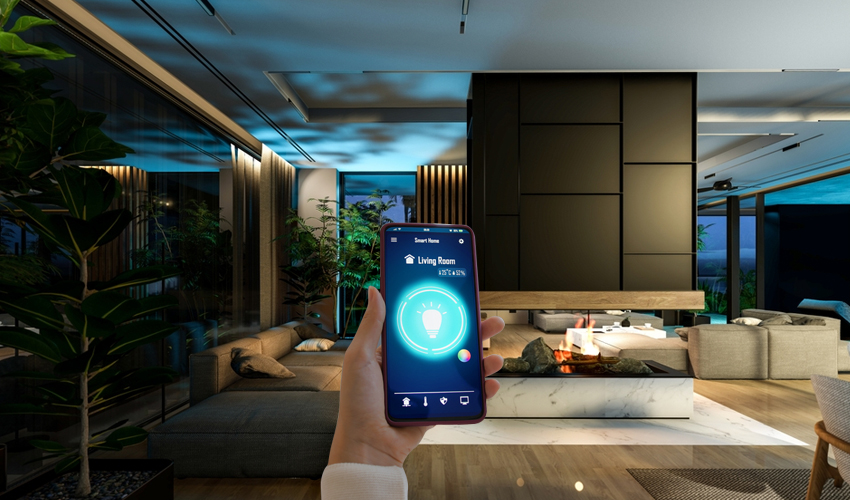
While occupancy monitoring offers many benefits, it’s essential to balance technology use with guest privacy and legal compliance. Always disclose the presence of sensors in your property listing and welcome materials. Use devices that do not record audio or video in private spaces, and ensure data is stored securely.
Many municipalities have regulations regarding the use of monitoring devices in short-term rentals. Stay up to date with local laws and ensure your system is configured to comply with all relevant guidelines. For more information on best practices and compliance, review this comprehensive guide to smart occupancy monitoring in hospitality.
Integrating Occupancy Sensors with Other Smart Rental Solutions
Combining occupancy tracking with other smart rental technologies can unlock even greater value. For example, integrating with Airbnb smart access control systems allows for seamless guest check-in and check-out, while also providing an additional layer of security.
Some platforms offer unified dashboards where you can monitor occupancy, access events, and receive alerts from multiple devices. This holistic approach simplifies management and helps you deliver a superior guest experience.
FAQ
Are smart occupancy sensors allowed in short-term rentals?
Yes, these devices are generally permitted as long as they do not record audio or video in private areas and are disclosed to guests. Always check local regulations to ensure compliance.
How do occupancy sensors help save on energy costs?
By detecting when guests are present or absent, these sensors can automatically adjust heating, cooling, and lighting, reducing unnecessary energy consumption and lowering utility bills.
Can occupancy sensors be integrated with other smart home devices?
Most modern systems support integration with thermostats, lights, security cameras, and access control devices, enabling automated responses and centralized management.
What should I communicate to guests about occupancy monitoring?
Be transparent about the presence and purpose of sensors, emphasizing that they are used for energy management and security, not surveillance. Provide this information in your listing and welcome guide.