

Property managers and landlords are increasingly turning to smart maintenance alerts rentals solutions to streamline property care and deliver a better experience for tenants. These systems use connected sensors and automated notifications to detect problems—such as leaks, smoke, pests, or unauthorized access—so issues can be addressed before they escalate. Fast response not only protects property value but also keeps residents happy and safe.
With the rental market more competitive than ever, adopting intelligent alert technology is becoming essential for owners and managers who want to stand out. This article explores how automated maintenance notifications work, what types of sensors are available, and how these systems can be integrated into rental operations for maximum benefit. For those managing multiple units or scaling their portfolio, leveraging scalable rental sensor systems can further enhance efficiency and oversight.

How Automated Maintenance Notifications Work in Rental Properties
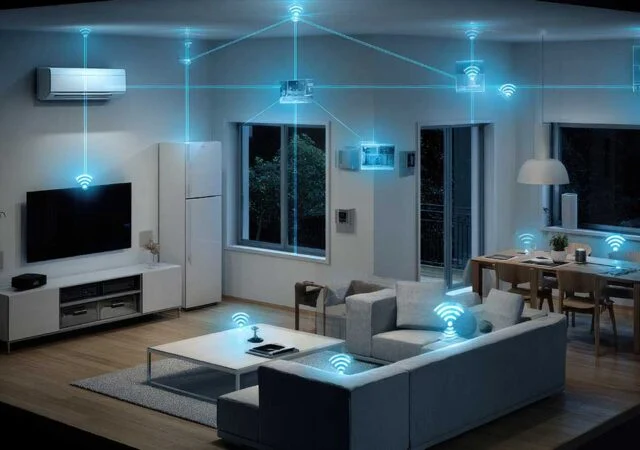
Modern property management increasingly relies on real-time data. Smart maintenance alerts rentals systems use a network of wireless sensors placed throughout a rental unit or building. These devices monitor for specific conditions—such as water leaks, smoke, motion, or temperature changes—and send instant notifications to property managers or maintenance staff when an issue is detected.
The core benefit is speed. Instead of waiting for a tenant to notice and report a problem, the system provides immediate alerts, allowing for faster intervention. This can prevent minor issues from turning into costly repairs and reduce the risk of property damage or tenant dissatisfaction.
Types of Sensors and Alerts for Rental Maintenance
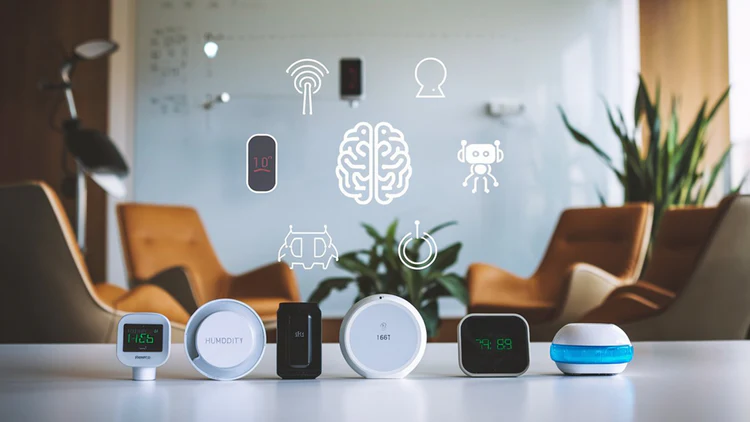
There is a wide range of sensors available to suit different property types and maintenance needs. Some of the most common include:
- Water leak detectors: Placed near appliances, under sinks, or in basements to catch leaks early.
- Smoke and carbon monoxide alarms: Essential for safety, these can send alerts directly to managers’ phones.
- Rodent and pest sensors: Detect movement or droppings in hidden areas, helping to address infestations quickly.
- Temperature and humidity sensors: Useful for preventing mold, frozen pipes, or HVAC failures.
- Access and motion sensors: Monitor for unauthorized entry or unusual activity in vacant units.
Choosing the right combination depends on the property’s unique risks and layout. For a detailed comparison of sensor types and their applications, see this comprehensive guide to selecting sensors for smart properties.
Benefits of Real-Time Maintenance Alerts for Landlords and Tenants
Implementing automated alerts in rental properties offers several key advantages:
- Reduced repair costs: Early detection means small issues can be fixed before they cause major damage.
- Improved tenant satisfaction: Quick response to problems builds trust and encourages lease renewals.
- Lower vacancy rates: Well-maintained properties attract and retain quality tenants.
- Compliance and safety: Automated alerts help ensure smoke, CO, and other safety systems are always monitored.
- Operational efficiency: Maintenance teams can prioritize and schedule work based on real-time data, not just tenant complaints.
For property managers overseeing multiple units, integrating property manager smart sensors can centralize monitoring and simplify oversight across an entire portfolio.
Integrating Smart Maintenance Alerts with Rental Operations
Adopting these technologies is straightforward, especially with the rise of wireless and battery-powered devices. Most systems can be installed without invasive wiring and are compatible with popular property management platforms. Key steps for successful integration include:
- Assessing property needs and identifying risk areas (e.g., basements, kitchens, HVAC closets).
- Selecting sensors that address the most common and costly maintenance issues for your property type.
- Setting up automated notifications to go directly to maintenance staff, managers, or even tenants where appropriate.
- Regularly testing and maintaining sensors to ensure reliability.
- Reviewing alert data to spot trends and plan preventative maintenance.
For hosts who want to take automation further, a smart alert system for hosts can deliver instant notifications for a wide range of property events, from maintenance to guest check-ins.
Best Practices for Maximizing the Value of Automated Alerts
To get the most from your smart alert system, consider these tips:
- Customize alert thresholds: Adjust sensitivity so you’re notified only about genuine issues, not minor fluctuations.
- Integrate with property management software: Streamline workflow by connecting alerts to work order systems or communication platforms.
- Educate tenants: Let residents know about the sensors in place and how they contribute to a safer, more responsive living environment.
- Review and update regularly: As your property or portfolio grows, revisit your sensor strategy to ensure it still meets your needs.
For those managing access and security, combining maintenance alerts with rental property access sensors can provide a comprehensive view of both safety and maintenance events.
Frequently Asked Questions
What types of issues can smart maintenance alerts detect in rentals?
These systems can identify a wide range of problems, including water leaks, smoke or fire, pest activity, temperature extremes, humidity changes, and unauthorized access. The specific issues detected depend on the types of sensors installed.
Are smart maintenance alerts difficult to install in existing rental units?
Most modern sensors are wireless and battery-powered, making them easy to install without major renovations. Many can be set up in minutes and integrated with existing property management software.
How do automated alerts benefit both landlords and tenants?
Landlords benefit from reduced repair costs, lower risk of property damage, and improved operational efficiency. Tenants enjoy faster response to maintenance issues, increased safety, and a better overall rental experience.
Can smart alert systems be scaled for large portfolios?
Yes, many platforms are designed for scalability, allowing property managers to monitor and manage hundreds of units from a single dashboard. This makes it easier to maintain consistent standards across all properties.
Embracing smart maintenance alerts rentals technology is a practical way to protect your investment, streamline operations, and deliver a superior experience for tenants. As the rental industry evolves, these systems are quickly becoming a standard for proactive property care.