
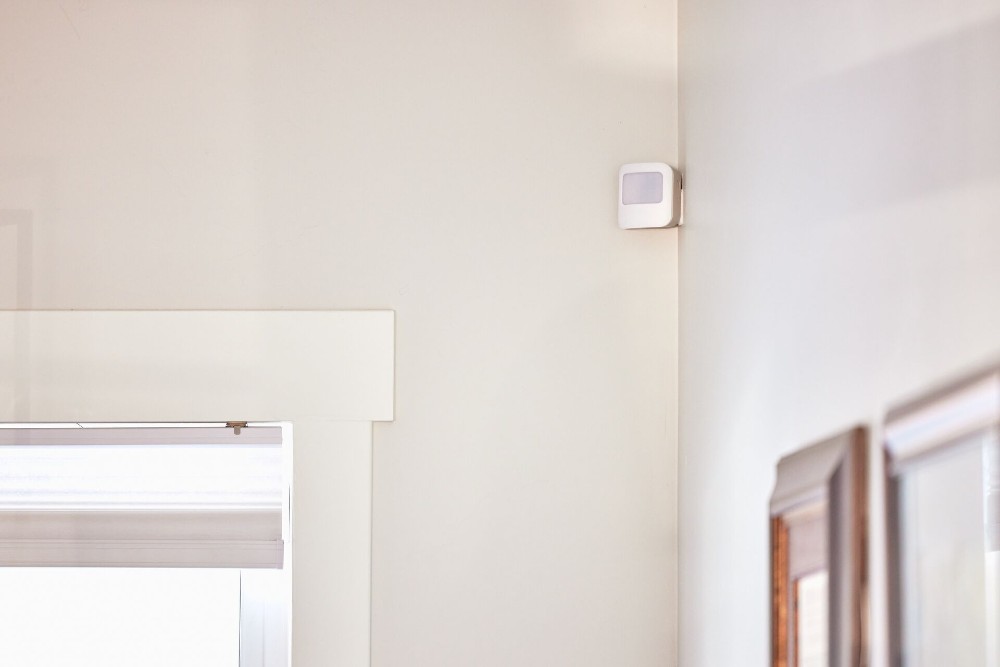

Smart technology is transforming the way property owners and managers approach rental housing. With the rise of IoT devices for rental homes, landlords and hosts can now offer safer, more convenient, and energy-efficient living spaces. These connected gadgets not only enhance tenant satisfaction but also streamline property management tasks, making them a valuable investment for both short-term and long-term rentals.
Whether you manage a single apartment or a portfolio of properties, integrating the right smart devices can help you monitor, secure, and maintain your units with ease. From motion sensors to smart locks and environmental monitors, the options are extensive and can be tailored to suit different needs and budgets. For those managing multiple units, exploring scalable rental sensor systems can provide a robust foundation for growth and efficiency.
Why Smart Tech Matters in Rental Properties
Adopting connected devices for rental properties brings tangible benefits for both landlords and tenants. For owners, these tools offer real-time insights into property status, reduce the risk of damage, and can even lower insurance premiums. Tenants gain peace of mind from enhanced security and the convenience of automation, such as keyless entry or remote temperature control.
In competitive rental markets, offering smart features can also help attract quality tenants and justify premium rents. As more renters expect modern amenities, equipping your units with the latest technology can set your property apart from others in the area.
Top Categories of IoT Devices for Rental Homes
When selecting smart devices for a rental, it’s important to focus on solutions that are easy to install, maintain, and reset between tenants. Here are some of the most impactful categories to consider:
- Security Sensors: Motion detectors, door/window sensors, and glass break sensors help monitor for unauthorized entry or unusual activity.
- Smart Locks: Keyless entry systems allow for secure, flexible access management without the hassle of physical keys.
- Environmental Monitors: Smoke, carbon monoxide, and water leak detectors can alert you to hazards before they become costly problems.
- Energy Management: Smart thermostats and plugs help control energy usage and reduce utility costs.
- Noise and Occupancy Sensors: These tools help ensure guests comply with house rules and prevent unauthorized parties or subletting.
Essential Security and Safety Sensors
One of the most important investments for any rental property is a robust set of security and safety sensors. Motion detectors and door/window sensors are the foundation of any smart security system, providing instant alerts if someone enters the property unexpectedly. For multi-unit buildings or vacation rentals, these devices can be integrated with a property manager smart sensors platform for centralized monitoring.
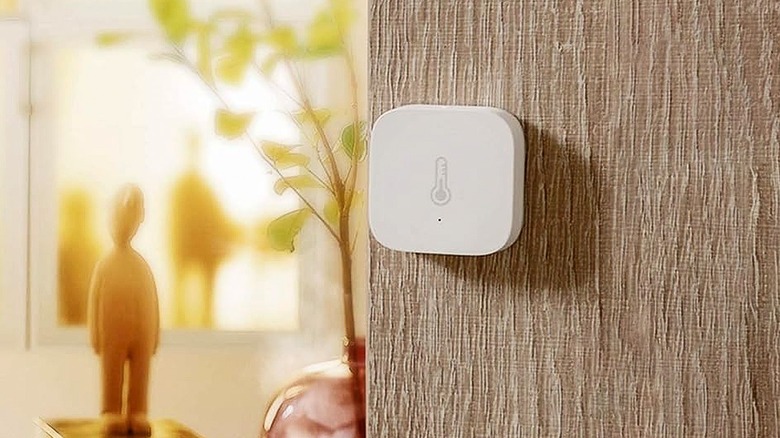
Smoke and carbon monoxide detectors are not just smart upgrades—they’re legal requirements in most jurisdictions. Modern versions can send alerts directly to your phone, allowing you to respond quickly if there’s a problem, even when the property is vacant. Some advanced sensors can also detect water leaks or freezing temperatures, helping you prevent costly repairs.
For a comprehensive overview of must-have sensors, check out this guide to essential smart home sensors for property owners.
Smart Access Control Solutions
Managing keys for multiple tenants or guests can be a logistical headache. Smart locks and access sensors offer a streamlined solution, letting you grant or revoke access remotely. This is especially useful for short-term rentals, where guests check in and out frequently. Integrating these systems with rental property access sensors ensures that only authorized individuals can enter at any given time.
Some smart locks allow you to create unique codes for each guest or service provider, which can be easily changed between stays. This reduces the risk of lost keys and unauthorized entry, while also providing a detailed log of who accessed the property and when.
Environmental and Rodent Monitoring Devices
Beyond security, environmental monitoring is crucial for maintaining property value and tenant safety. Smart smoke and CO detectors, water leak sensors, and even rodent detection devices can help you catch issues early. These gadgets are easy to install and often require minimal maintenance, making them ideal for rental settings.
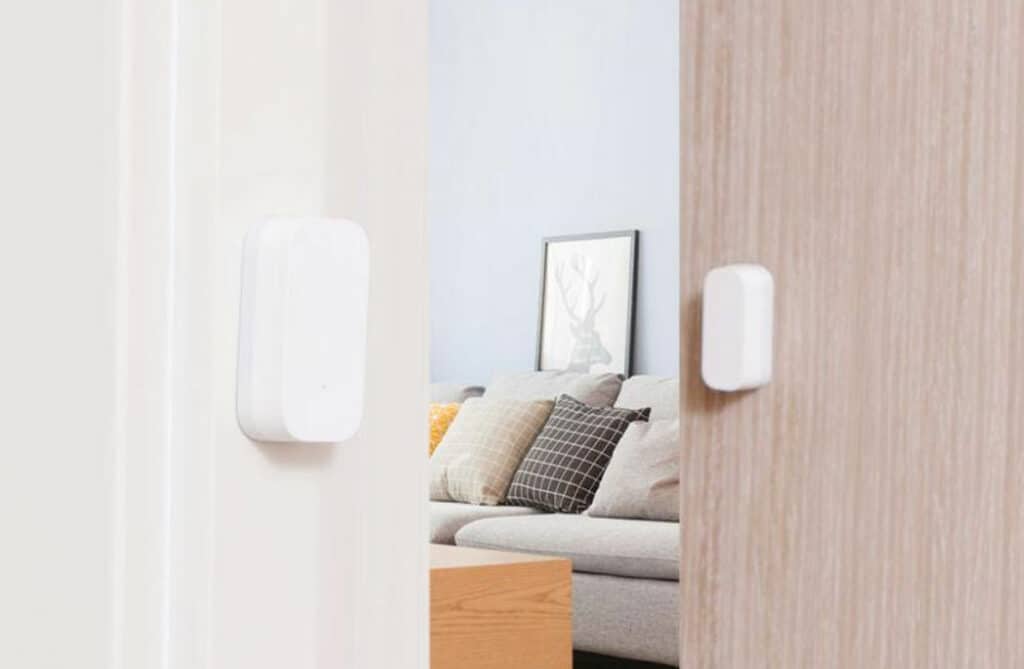
Rodent activity can be a major headache for landlords, leading to property damage and unhappy tenants. Smart rodent detectors provide real-time alerts when pests are detected, allowing for prompt intervention. These devices are especially useful in older buildings or properties located in areas prone to infestations.
Energy Management and Automation
Smart thermostats, plugs, and lighting systems help landlords and tenants optimize energy use, reduce costs, and minimize environmental impact. Many of these devices can be controlled remotely, making it easy to adjust settings between guest stays or during vacancies. For property managers overseeing multiple units, integrating energy management tools with a smart alert system for hosts can further enhance efficiency and oversight.
Automated lighting and climate control also improve tenant comfort and can be programmed to suit different occupancy patterns, ensuring that energy is not wasted when units are empty.
Noise and Occupancy Monitoring
For short-term rental hosts, noise and occupancy sensors are invaluable for enforcing house rules and protecting your property. These devices can alert you if noise levels exceed a certain threshold or if more people are present than allowed by the lease agreement. This helps prevent unauthorized parties and ensures compliance with local regulations.
Some advanced systems can even integrate with Airbnb smart access control platforms, providing a seamless way to manage guest behavior and property access in real time.
Choosing the Right IoT Devices for Your Rental
When selecting smart gadgets for your property, consider the following:
- Ease of Installation: Choose wireless, battery-powered devices that don’t require major modifications.
- Reset and Reuse: Opt for products that are easy to reset between tenants, ensuring privacy and security.
- Integration: Look for solutions that work well together or can be managed from a single app or dashboard.
- Data Privacy: Ensure all devices comply with privacy laws and do not collect unnecessary tenant information.
Balancing cost, reliability, and user-friendliness will help you build a smart rental that benefits both you and your tenants for years to come.
Frequently Asked Questions
Are smart home devices allowed in rental properties?
Yes, landlords can install smart devices in their rental units, but it’s important to inform tenants about their presence and ensure compliance with privacy laws. Devices that monitor common areas or environmental conditions are generally acceptable, while surveillance inside private living spaces may require explicit consent.
How do I reset IoT devices between tenants?
Most modern smart devices include a factory reset option, either through a physical button or via the manufacturer’s app. Always follow the manufacturer’s instructions to remove previous user data and ensure the device is ready for the next occupant.
What are the most important IoT devices for rental homes?
The most valuable smart devices for rentals typically include motion sensors, smart locks, smoke and CO detectors, water leak sensors, and energy management tools. These provide a strong foundation for security, safety, and efficient property management.