
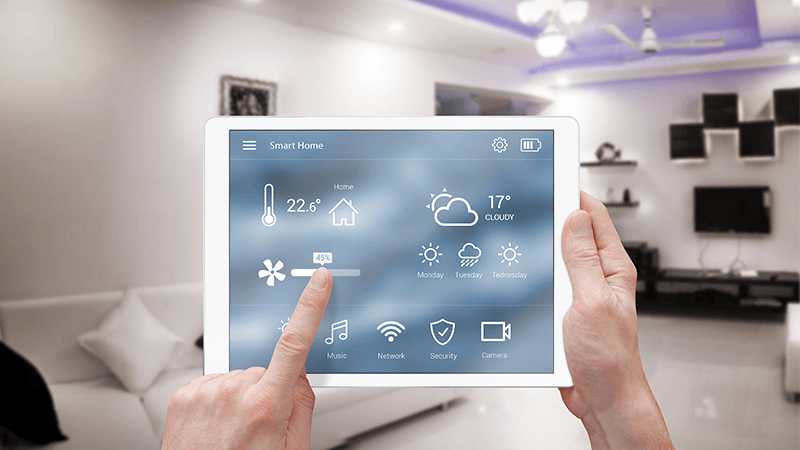

Modern property owners and hosts are increasingly turning to smart technology to keep their homes secure and ensure a positive experience for both themselves and their guests. Understanding how to monitor guest behavior with automation is essential, whether you manage a short-term rental, a vacation property, or simply want to enhance your home’s safety and efficiency. By leveraging connected devices, you can gain valuable insights, automate responses, and maintain peace of mind—all while respecting privacy and comfort.
This guide explores the most effective ways to use home automation for observing guest activity, maintaining property standards, and preventing issues before they escalate. We’ll also highlight practical tools, ethical considerations, and integration tips for property managers and homeowners alike.
For those managing multiple units or scaling up, exploring scalable rental sensor systems can help streamline operations and ensure consistent monitoring across properties.
Key Benefits of Automated Guest Monitoring
Using smart home technology to observe guest actions offers several advantages for property owners and managers. Here are some of the most notable benefits:
- Enhanced Security: Smart locks, cameras, and sensors help track entry and exit, reducing unauthorized access and potential break-ins.
- Property Protection: Environmental sensors can detect smoke, leaks, or excessive humidity, alerting you to issues before they cause damage.
- Operational Efficiency: Automation streamlines check-ins, check-outs, and cleaning schedules, saving time and reducing manual oversight.
- Guest Experience: Automated systems can adjust lighting, temperature, and access, creating a welcoming and personalized stay for guests.
- Rule Enforcement: Noise and occupancy sensors help ensure guests follow house rules, such as quiet hours or maximum occupancy limits.
Essential Devices for Monitoring Guest Activity
To effectively track guest behavior with smart technology, consider integrating the following devices into your property:
- Smart Locks: Allow for remote access control, time-limited codes, and entry logs. This ensures only authorized guests enter the property and provides a record of access times.
- Door and Window Sensors: Monitor when doors or windows are opened or closed, alerting you to unusual activity or potential security breaches.
- Noise Monitors: Devices like Minut or NoiseAware detect excessive sound levels, helping enforce quiet hours without recording conversations.
- Smart Thermostats: Automate heating and cooling, track usage patterns, and prevent energy waste when the property is vacant.
- Security Cameras: Outdoor and entryway cameras provide visual confirmation of arrivals and departures. Always inform guests of their presence and avoid placing cameras in private areas.
- Environmental Sensors: Smoke, carbon monoxide, and water leak detectors protect against hazards and property damage.
Integrating Automation for Seamless Monitoring
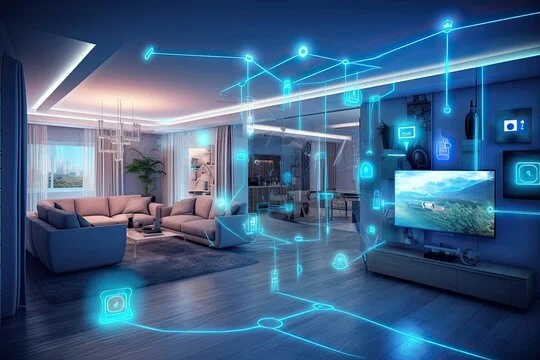
To maximize the effectiveness of your smart devices, integration and automation are key. Here’s how to create a cohesive system for tracking guest activity:
- Centralized Dashboards: Use platforms like Google Home, Amazon Alexa, or Apple HomeKit to manage all devices from a single app.
- Automated Alerts: Set up notifications for specific events, such as doors opening after hours or noise exceeding set thresholds.
- Routine Scheduling: Automate lighting, HVAC, and security systems based on guest check-in and check-out times.
- Smart Rules: Create custom automations, such as locking doors automatically when guests leave or adjusting temperature settings based on occupancy.
For property managers overseeing multiple units, consider solutions like property manager smart sensors to efficiently monitor several locations from one interface.
Privacy and Ethical Considerations
While monitoring guest behavior with smart technology provides many benefits, it’s crucial to respect privacy and comply with local laws. Here are some best practices:
- Transparency: Clearly inform guests about any monitoring devices on the property, including their location and purpose.
- Placement: Avoid installing cameras or microphones in private spaces such as bedrooms and bathrooms.
- Data Security: Ensure all devices are secured with strong passwords and updated firmware to prevent unauthorized access.
- Compliance: Check local regulations regarding surveillance and data collection in rental properties.
For a deeper understanding of how these systems work, visit this comprehensive overview of home automation technology.
Best Practices for Automated Guest Oversight
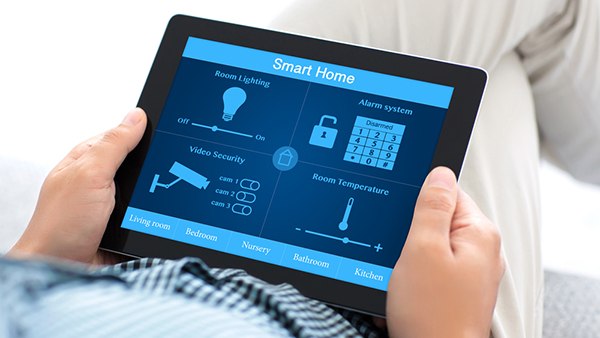
To ensure your monitoring setup is effective and well-received, follow these practical tips:
- Test Devices Regularly: Check that all sensors, locks, and cameras are functioning and connected to your network.
- Update Access Codes: Change smart lock codes between guests to maintain security.
- Review Activity Logs: Periodically check entry logs, noise alerts, and environmental sensor data for unusual patterns.
- Integrate with Alert Systems: Use a smart alert system for hosts to receive instant notifications about critical events.
- Automate Entry Management: Employ Airbnb smart access control solutions for seamless, remote permission management.
- Secure Entry Points: Install rental property access sensors to monitor and manage all entrances efficiently.
Choosing the Right Automation Tools
When selecting devices and platforms, consider the following factors:
- Compatibility: Ensure all devices work together and can be managed from a single dashboard.
- Scalability: Choose solutions that can grow with your property portfolio.
- Support and Updates: Opt for reputable brands that provide regular software updates and customer support.
- Ease of Use: Look for user-friendly interfaces for both hosts and guests.
Investing in reliable automation tools not only streamlines guest oversight but also adds value to your property and enhances guest satisfaction.
FAQ
Is it legal to use smart devices to monitor guests in rental properties?
In most regions, using smart devices like locks, environmental sensors, and noise monitors is legal, provided you inform guests about their presence and purpose. However, placing cameras or audio devices in private areas is typically prohibited. Always check local laws and regulations before installing any monitoring equipment.
How can I ensure guest privacy while using automation for monitoring?
Respect privacy by being transparent about all monitoring devices, limiting their placement to common areas or entry points, and avoiding any surveillance in bedrooms or bathrooms. Use devices that monitor environmental factors or access logs rather than recording personal conversations or activities.
What are the most important devices for tracking guest behavior with automation?
Key devices include smart locks, door/window sensors, noise monitors, smart thermostats, and outdoor security cameras. These provide essential data on access, occupancy, and property conditions without intruding on guest privacy.