
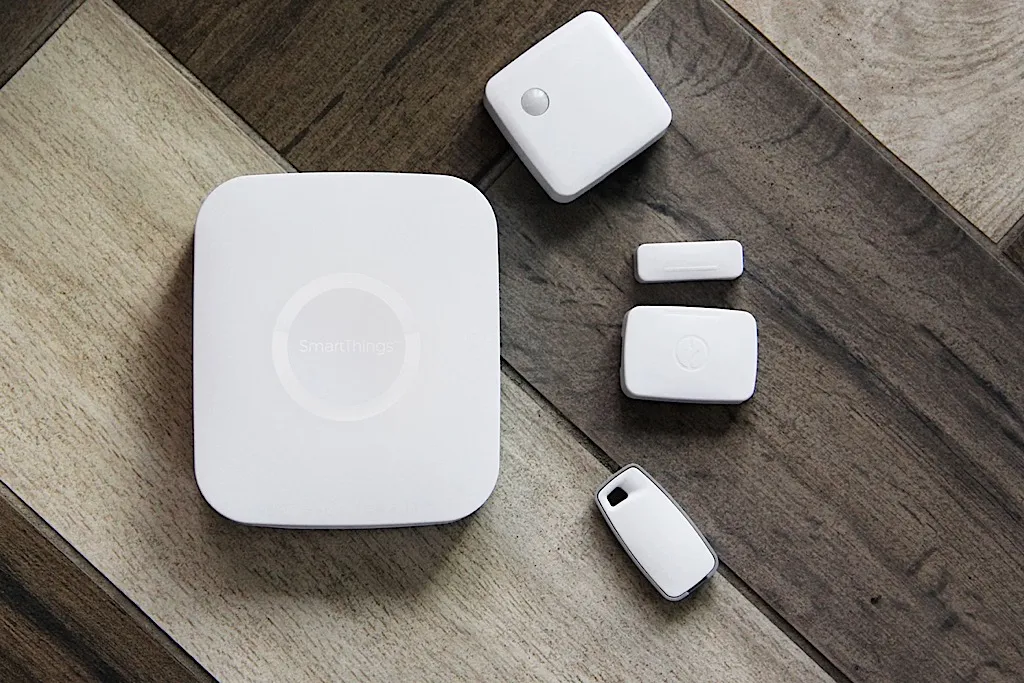

Short-term rental properties have become increasingly popular, but with this growth comes new challenges for property owners and managers. Ensuring that guests respect house rules, avoid disturbances, and maintain safety is crucial for protecting your investment and reputation. Guest behavior monitoring sensors offer a practical solution, helping hosts detect potential issues early and promote responsible use of rental spaces.
These smart devices can monitor noise levels, occupancy, smoke, and even environmental changes—alerting you to possible problems before they escalate. By integrating these technologies, hosts can strike a balance between guest privacy and property protection, creating a safer, more enjoyable experience for everyone involved.
For those managing multiple units or scaling their rental business, exploring scalable rental sensor systems can further streamline operations and enhance oversight across properties.
Understanding Guest Behavior Sensors in Modern Rentals
Smart monitoring devices have evolved well beyond simple alarms or basic smoke detectors. Today’s guest behavior monitoring sensors are designed to detect a range of activities and environmental factors, providing hosts with real-time data and actionable alerts. These sensors can be installed discreetly throughout a property, ensuring that guests’ privacy is respected while still maintaining oversight of key behaviors.
Common types of monitoring devices include:
- Noise sensors that detect excessive sound levels, helping to prevent parties or disturbances.
- Occupancy sensors that monitor the number of people in a space, ensuring compliance with guest limits.
- Smoke and air quality sensors that alert hosts to fire risks or unauthorized smoking.
- Environmental sensors that track temperature, humidity, and other conditions to protect property integrity.
By leveraging these tools, hosts can proactively address issues, reduce the risk of property damage, and foster a culture of responsible renting.
Key Benefits of Using Guest Monitoring Technology
Integrating guest behavior monitoring sensors into your rental property offers several important advantages:
- Early detection of rule violations: Receive instant notifications if noise levels spike or if occupancy limits are exceeded, allowing for timely intervention.
- Enhanced property protection: Minimize the risk of damage, unauthorized parties, or safety hazards by staying informed about what’s happening in your space.
- Improved guest accountability: When guests know that certain behaviors are being monitored (without invading privacy), they are more likely to follow house rules.
- Streamlined management: Automated alerts and data logs make it easier to manage multiple properties or units efficiently.
- Insurance and compliance: Some insurers may offer better rates for properties equipped with smart monitoring technology, and local regulations may require certain sensors for safety compliance.
For hosts seeking even more comprehensive oversight, integrating a smart alert system for hosts can provide instant notifications and further peace of mind.
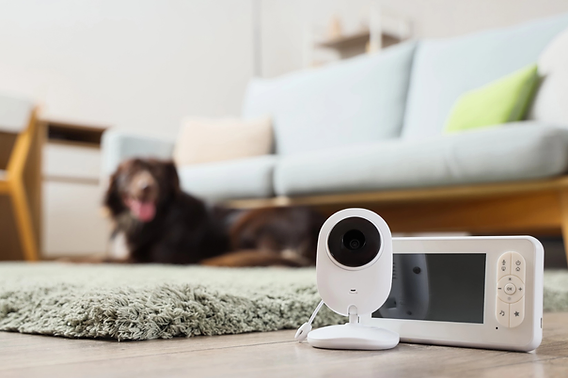
Types of Sensors for Responsible Rental Management
There are several categories of guest behavior monitoring sensors available, each serving a unique role in maintaining a safe and respectful rental environment:
Noise Monitoring Devices
Noise sensors are among the most popular tools for short-term rental hosts. These devices measure decibel levels and can alert you if sound exceeds a set threshold, helping to prevent parties or disturbances. Importantly, they do not record conversations, preserving guest privacy while still flagging potential issues.
Occupancy and Motion Detection
Occupancy sensors use infrared or other technologies to estimate the number of people present. This can help ensure that guests adhere to booking limits and prevent unauthorized gatherings. Motion detectors can also be used to monitor activity in common areas or entryways, further enhancing security.
Smoke, Air Quality, and Environmental Sensors
Smart smoke detectors and air quality monitors can alert hosts to fire risks, unauthorized smoking, or environmental hazards. These devices are essential for guest safety and may be required by local regulations. Environmental sensors can also track temperature and humidity, helping to prevent issues like mold or frozen pipes.
For property managers overseeing larger portfolios, adopting property manager smart sensors can centralize monitoring and simplify oversight across multiple units.
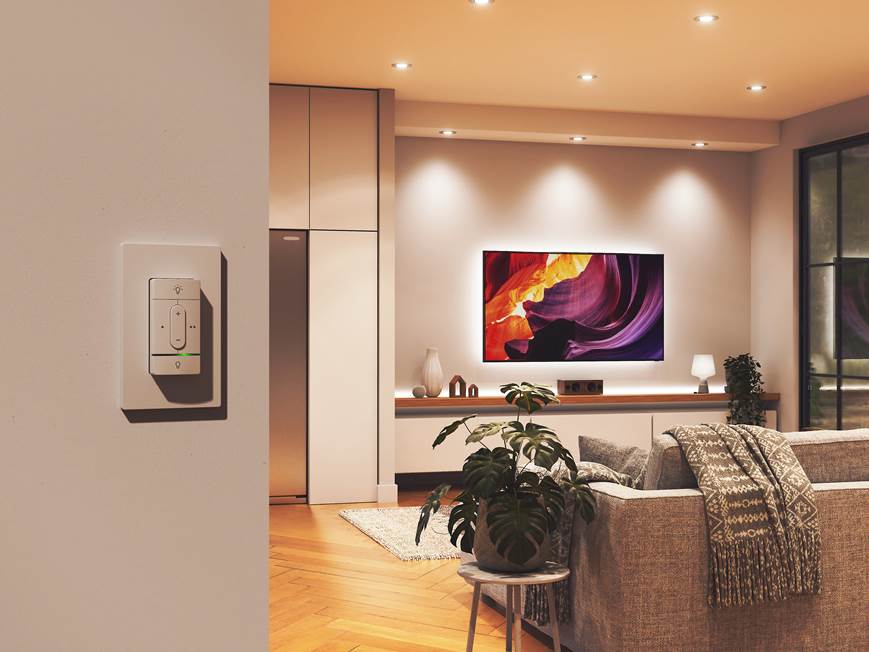
Privacy, Transparency, and Guest Communication
While guest behavior monitoring sensors provide valuable oversight, it’s essential to communicate their presence and purpose clearly to guests. Transparency builds trust and helps guests understand that monitoring is focused on safety and property protection, not surveillance.
- Include information about sensors in your listing and house rules.
- Explain what is monitored (e.g., noise levels, smoke) and what is not (e.g., no audio or video recording in private spaces).
- Ensure all devices comply with local privacy laws and platform requirements.
Striking the right balance between security and privacy is key to maintaining positive guest relationships and avoiding misunderstandings.
Integrating Smart Sensors with Rental Platforms
Many modern sensors can be integrated with property management systems or rental platforms for seamless automation. This allows for:
- Automated alerts via SMS, email, or app notifications.
- Centralized dashboards for monitoring multiple properties.
- Data logs to support dispute resolution or insurance claims.
For hosts interested in advanced automation, learning how smart sensors make home automation work can unlock new efficiencies and capabilities.
Additionally, integrating Airbnb smart access control and rental property access sensors can further enhance security and streamline guest check-in processes.
Best Practices for Deploying Monitoring Devices
To maximize the benefits of guest behavior monitoring sensors while maintaining guest satisfaction, consider these best practices:
- Install sensors only in common areas or locations required for safety (never in bedrooms or bathrooms).
- Set clear, reasonable thresholds for alerts to avoid false positives.
- Regularly test and maintain devices to ensure reliability.
- Update your property listing and house rules to reflect the presence and purpose of monitoring devices.
- Respond promptly and professionally to any alerts or guest concerns.
By following these guidelines, hosts can create a secure, respectful environment that benefits both guests and property owners.
FAQ: Guest Monitoring in Short-Term Rentals
Are guest behavior sensors legal in vacation rentals?
Yes, these devices are legal in most jurisdictions when used appropriately. It’s important to disclose their presence to guests and avoid placing them in private areas like bedrooms or bathrooms. Always check local laws and platform policies to ensure compliance.
Do these sensors invade guest privacy?
No, most guest behavior monitoring sensors are designed to detect environmental factors (like noise or smoke) rather than record audio or video. Transparency and proper placement are essential for maintaining privacy and trust.
What should I do if a sensor sends an alert?
If you receive a notification about excessive noise, occupancy, or another issue, contact your guest promptly and politely to address the situation. Most guests will respond positively when approached with respect and clear communication.
Can monitoring devices help with insurance claims?
Yes, having data logs from sensors can provide evidence in case of property damage or disputes, supporting your case with insurers or rental platforms.
How do I choose the right sensors for my property?
Consider your specific needs—such as noise control, smoke detection, or occupancy monitoring—and select devices that integrate with your management systems. Reading reviews and consulting with other hosts can also help you make informed decisions.