
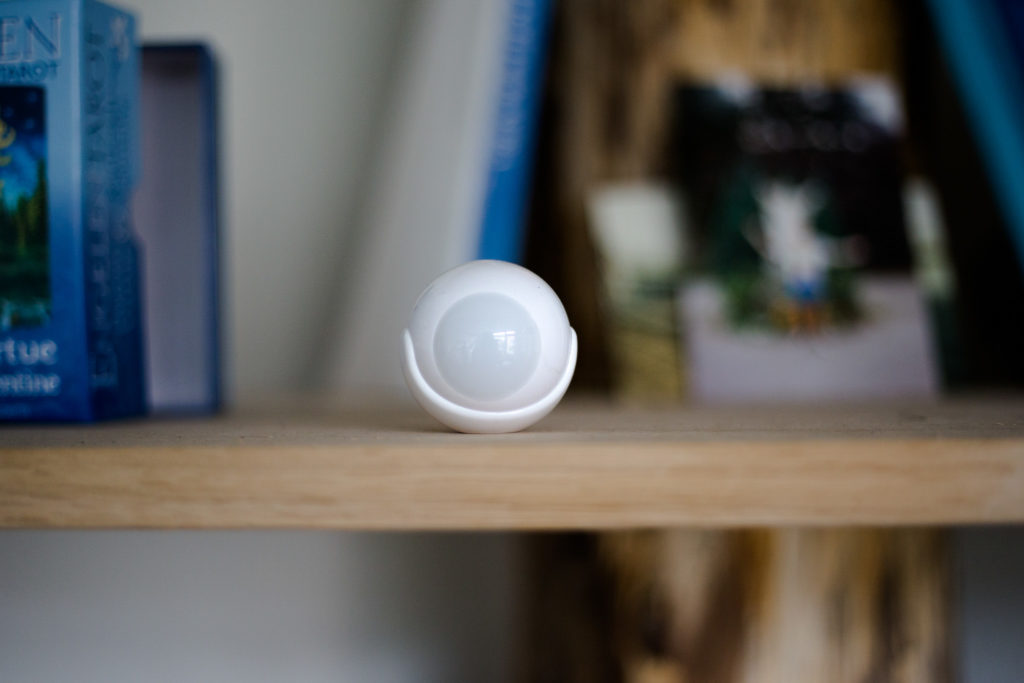

The rise of smart apartment sensors rental solutions is transforming how landlords, property managers, and tenants experience modern rental living. These devices offer real-time insights into individual units, providing a new level of control, safety, and efficiency for both short-term and long-term rentals. By leveraging unit-specific monitoring, property owners can proactively address maintenance issues, enhance security, and ensure a comfortable environment for residents—all while respecting privacy and compliance standards.
As the rental market becomes more competitive, integrating intelligent sensors is increasingly seen as a necessity rather than a luxury. Whether you manage a handful of units or oversee a large portfolio, understanding the benefits and practicalities of these technologies can help you stay ahead. For those interested in broader property automation, the smart building sensors rentals guide offers further insights into scaling management across entire buildings.
What Are Smart Sensors for Rental Units?
Unit-specific smart sensors are compact devices installed within individual apartments to monitor various environmental and security factors. Unlike building-wide systems, these sensors provide granular data for each unit, allowing for targeted responses and personalized automation. Common types include:
- Motion detectors for security and occupancy awareness
- Smoke and carbon monoxide alarms for safety compliance
- Water leak sensors to prevent costly damage
- Temperature and humidity monitors for comfort and energy savings
- Rodent and pest detectors for proactive maintenance
These devices often connect to a central hub or cloud platform, enabling remote monitoring and instant alerts. For property managers, this means less guesswork and faster response times.
Benefits of Unit-Specific Monitoring in Rentals
Adopting smart apartment sensors rental technology brings several clear advantages to both landlords and tenants:
- Enhanced security: Real-time motion and entry sensors deter unauthorized access and alert managers to potential break-ins.
- Maintenance prevention: Water leak and humidity sensors can catch problems early, reducing repair costs and property damage.
- Energy efficiency: Temperature and occupancy sensors help optimize heating, cooling, and lighting, lowering utility bills.
- Tenant satisfaction: Automated alerts and fast issue resolution improve the rental experience, leading to higher retention rates.
- Regulatory compliance: Smoke and CO detectors ensure units meet local safety codes.
For a deeper dive into how these technologies fit into the broader landscape, the smart rental technology guide covers everything from IoT integration to guest experience enhancements.
Key Features to Look for in Smart Sensors for Rentals
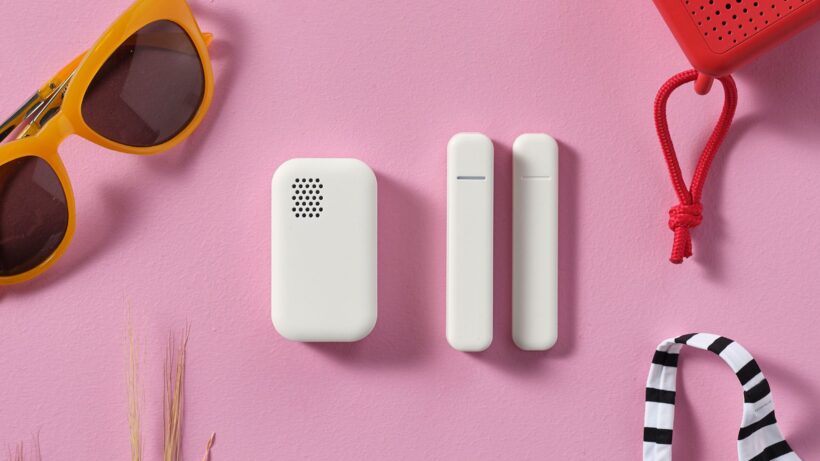
When selecting smart apartment sensors rental solutions, it’s important to consider features that align with your property’s needs and tenant expectations:
- Wireless connectivity: Devices should support Wi-Fi, Zigbee, or Z-Wave for easy installation and integration.
- Remote access: Cloud-based dashboards or mobile apps allow for real-time monitoring and control from anywhere.
- Battery life: Long-lasting batteries reduce maintenance and minimize tenant disruption.
- Privacy controls: Ensure sensors do not capture audio or video in private spaces, and clearly communicate their purpose to tenants.
- Integration: Compatibility with existing property management systems or smart home platforms streamlines operations.
For those managing multiple properties, exploring smart property management systems can help centralize sensor data and automate routine tasks.
Popular Use Cases for Smart Sensors in Rental Properties
The applications of unit-specific monitoring are diverse and continue to expand as technology evolves. Some of the most impactful use cases include:
- Short-term rentals: Monitor occupancy, noise levels, and environmental conditions to ensure compliance with house rules and local regulations.
- Long-term apartments: Automate maintenance alerts for leaks, smoke, or HVAC issues, reducing emergency calls and improving tenant trust.
- Student housing: Enhance safety with motion and entry sensors, and provide parents with peace of mind.
- Luxury rentals: Offer advanced automation features such as climate control, air quality monitoring, and smart lighting for a premium experience.
For more on how IoT is shaping hospitality and guest experiences, see the article on iot in hospitality rentals.
Privacy and Compliance Considerations
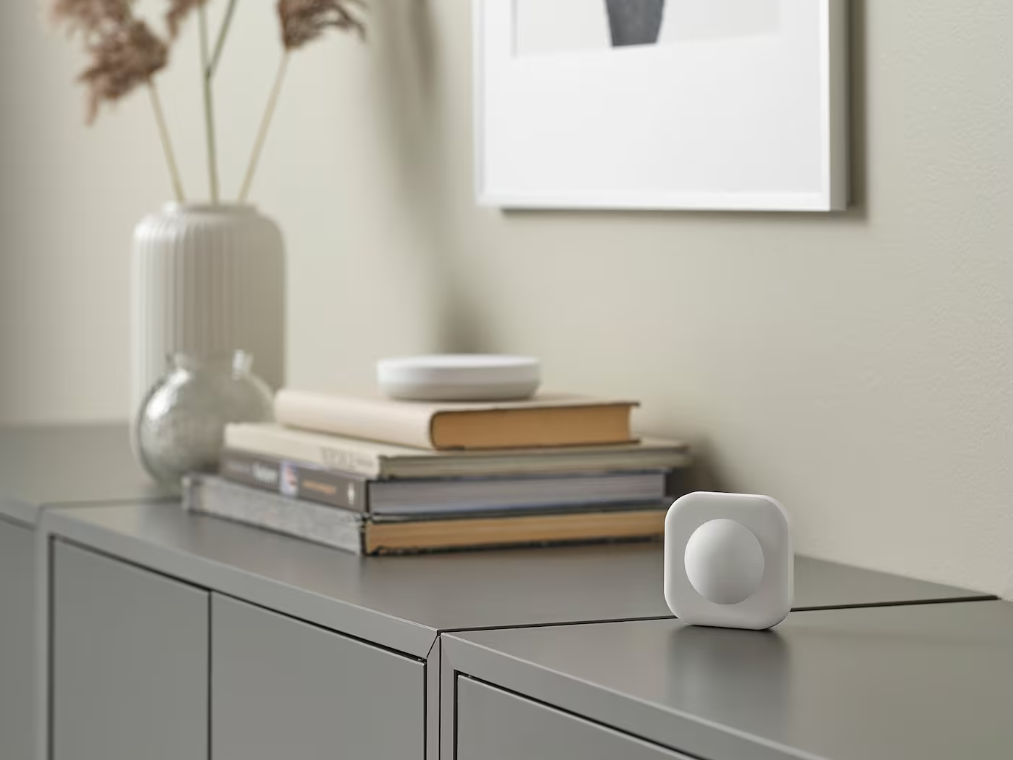
While the advantages of smart apartment sensors rental solutions are clear, it’s essential to address privacy and legal requirements. Tenants must be informed about any monitoring devices in their units, and landlords should avoid installing sensors in areas where privacy is expected, such as bedrooms and bathrooms.
Best practices include:
- Providing clear documentation and consent forms for tenants
- Limiting data collection to essential metrics (e.g., temperature, smoke, water leaks)
- Ensuring all data is securely stored and only accessible to authorized personnel
- Regularly reviewing local and national regulations regarding surveillance and data privacy
For a comprehensive overview of automation trends and compliance, the rental property automation trends article is a valuable resource.
Choosing and Installing Smart Sensors in Your Rental Units
Selecting the right solution depends on your property type, budget, and management style. Here are some practical steps to get started:
- Assess your needs: Identify which risks or inefficiencies you want to address, such as water leaks, unauthorized access, or energy waste.
- Research compatible devices: Look for sensors that integrate with your preferred platforms and offer reliable support.
- Plan installation: Wireless sensors are typically easy to install without professional help, but larger deployments may benefit from expert setup.
- Communicate with tenants: Explain the benefits and limitations of the sensors to build trust and ensure compliance.
- Monitor and maintain: Regularly check sensor status and replace batteries as needed to ensure continuous protection.
For more details on sensor types and their applications, explore this comprehensive guide to smart home sensors.
FAQ: Smart Sensors in Rental Apartments
Are smart sensors allowed in rental properties?
Yes, most jurisdictions allow the installation of smart sensors in rental units, provided they do not infringe on tenant privacy. Always inform tenants about the presence and purpose of any monitoring devices, and avoid placing sensors in private areas.
What types of smart sensors are most useful for landlords?
The most valuable options typically include smoke and CO detectors, water leak sensors, motion detectors for entryways, and temperature/humidity monitors. These devices help prevent costly damage, ensure safety, and reduce energy consumption.
How do smart sensors benefit tenants?
Tenants enjoy increased safety, quicker maintenance responses, and a more comfortable living environment. Automated alerts can prevent emergencies and minimize disruptions, while energy-efficient systems can help lower utility bills.
Do smart sensors require Wi-Fi in each unit?
Most modern sensors use Wi-Fi, Zigbee, or Z-Wave to communicate. While Wi-Fi is common, some systems can operate on low-power mesh networks, reducing the need for individual unit connectivity.
Conclusion
Integrating smart apartment sensors rental technology into individual units is a practical step toward safer, more efficient, and attractive rental properties. By choosing the right devices, respecting privacy, and leveraging automation, landlords and property managers can deliver a superior experience for tenants while protecting their investment. As the rental industry evolves, those who embrace these innovations will be best positioned to meet the demands of modern renters and stay ahead of the competition.