

Modern serviced apartments are evolving rapidly to meet the expectations of business travelers and executives. As the demand for seamless, comfortable, and secure temporary living grows, property managers and owners are turning to smart sensors for serviced apartments to deliver a premium experience. These devices not only enhance convenience and safety but also help optimize energy usage and streamline property management.
Whether you’re a property professional, an executive staying in a serviced unit, or a tech-savvy manager, understanding how these advanced sensors work—and which ones offer the most value—can make a significant difference. For those interested in broader trends, our guide on rental property tech innovation explores the latest developments in this space.
Why Smart Sensors Matter in Executive Apartments
For executives, serviced apartments are more than just a place to sleep—they are a temporary home and often a workspace. Integrating smart apartment sensors brings multiple benefits:
- Security: Motion detectors, door/window sensors, and surveillance cameras help ensure peace of mind.
- Comfort: Climate and lighting sensors automatically adjust settings for optimal comfort.
- Efficiency: Energy and water usage sensors reduce waste and lower costs.
- Safety: Smoke, gas, and leak detectors provide early warnings to prevent accidents.
Property managers also benefit from remote monitoring and maintenance alerts, making it easier to address issues before they escalate. For a closer look at how these technologies are transforming the industry, see our article on smart building sensors rentals.
Types of Smart Sensors for Serviced Apartments
There is a wide range of sensor technologies available, each serving a specific purpose. Here are some of the most impactful options for executive accommodations:
Environmental and Comfort Sensors
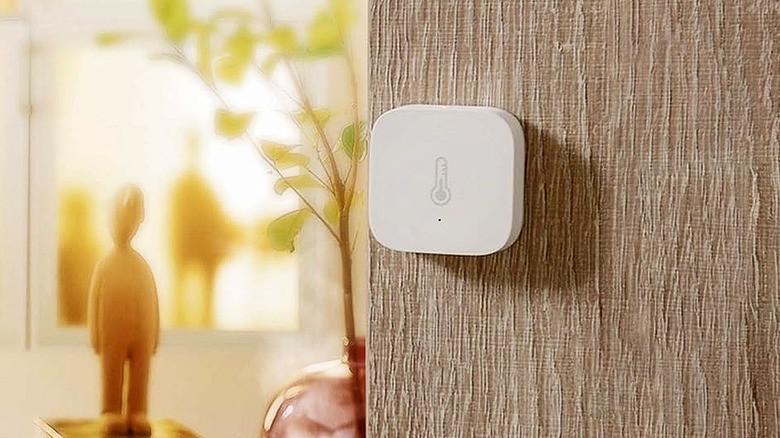
- Temperature and Humidity Sensors: Maintain ideal indoor conditions and help control HVAC systems for energy savings.
- Light Sensors: Adjust lighting automatically based on occupancy and natural light, enhancing comfort and reducing electricity use.
- Air Quality Monitors: Detect pollutants and allergens, ensuring a healthy environment for guests who may be sensitive to air quality.
Safety and Security Devices
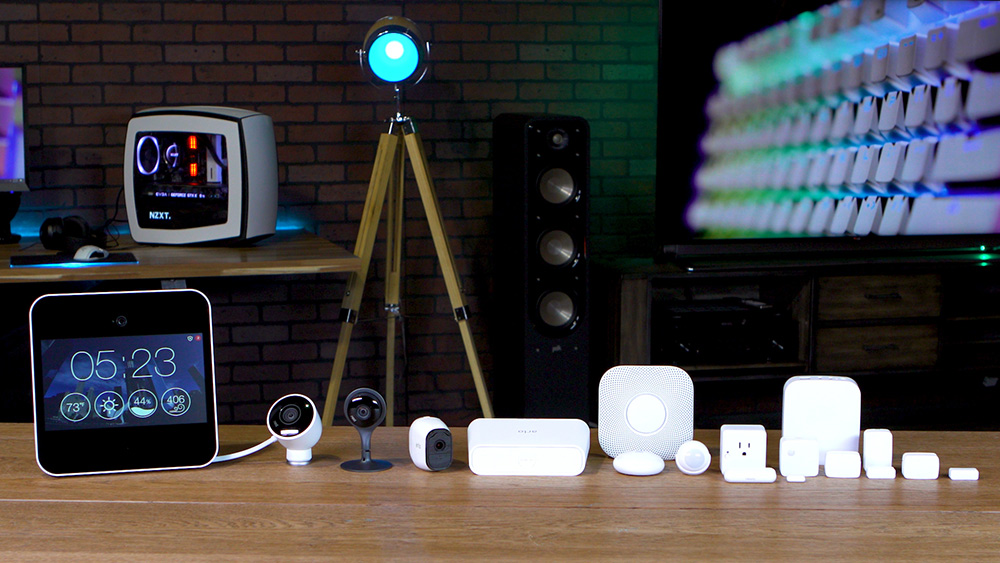
- Motion Sensors: Detect unauthorized movement and can trigger alarms or notifications to property managers.
- Door and Window Sensors: Monitor entry points for added security and can be integrated with access control systems.
- Smoke and Carbon Monoxide Detectors: Provide critical alerts to prevent fire or poisoning incidents.
- Water Leak Sensors: Identify leaks early, minimizing potential water damage and costly repairs.
- Rodent Detectors: Specialized sensors can detect pest activity, ensuring hygiene and comfort for residents.
For a deeper dive into real-world applications, check out our smart sensor case studies rentals article, which highlights practical results from properties using these technologies.
How Smart Sensors Enhance the Executive Experience
Executives expect a high level of service and convenience. By integrating smart sensors for serviced apartments, property owners can offer features such as:
- Automated Check-In/Out: Sensors can detect guest arrival and departure, streamlining the process and reducing manual intervention.
- Personalized Comfort: Adaptive climate and lighting controls create a tailored environment for each guest.
- Remote Monitoring: Guests and managers can monitor the apartment’s status from anywhere, increasing transparency and control.
- Proactive Maintenance: Early detection of issues like leaks or HVAC malfunctions means less disruption for residents.
These features not only improve guest satisfaction but also help serviced apartment operators stand out in a competitive market. For more on how these solutions fit into broader property management strategies, explore our guide to real estate IoT sensor solutions.

Integrating Smart Sensors: Key Considerations
When implementing sensor technology in serviced apartments, several factors should be considered to maximize benefits and minimize disruption:
- Compatibility: Ensure sensors work with existing building management systems and Wi-Fi networks.
- Privacy: Choose devices that respect guest privacy, especially for cameras and motion detectors.
- Scalability: Select solutions that can be expanded as your portfolio grows.
- Maintenance: Opt for sensors with long battery life and remote diagnostics to reduce upkeep.
- Data Security: Protect guest and property data with secure, encrypted communication protocols.
For those managing multiple units, our resource on smart apartment sensors rental provides insights into scalable monitoring and management approaches.
Benefits for Property Managers and Owners
Deploying smart sensors for serviced apartments brings tangible advantages for those overseeing executive accommodations:
- Reduced Operational Costs: Automated systems lower energy bills and minimize manual labor.
- Faster Response Times: Instant alerts enable quick action on maintenance or security issues.
- Improved Guest Reviews: Enhanced comfort and safety lead to higher satisfaction and repeat bookings.
- Regulatory Compliance: Sensors help meet fire, safety, and environmental standards more easily.
For a technical overview of how these devices work together, see this explanation of smart sensors in home automation.
FAQ: Smart Sensor Technology in Serviced Apartments
What types of smart sensors are most important for executive apartments?
Key devices include motion detectors, door/window sensors, smoke and carbon monoxide alarms, water leak detectors, temperature and humidity sensors, and air quality monitors. These cover the essentials of safety, comfort, and efficiency.
How do smart sensors improve guest experience in serviced apartments?
They automate climate and lighting adjustments, enhance security, provide early warnings for maintenance issues, and allow for remote monitoring. This leads to a more comfortable and hassle-free stay for executives.
Are smart sensors difficult to install and maintain?
Most modern sensors are wireless and easy to install, often requiring minimal disruption. Maintenance is typically low, especially for devices with long battery life and remote diagnostics capabilities.