
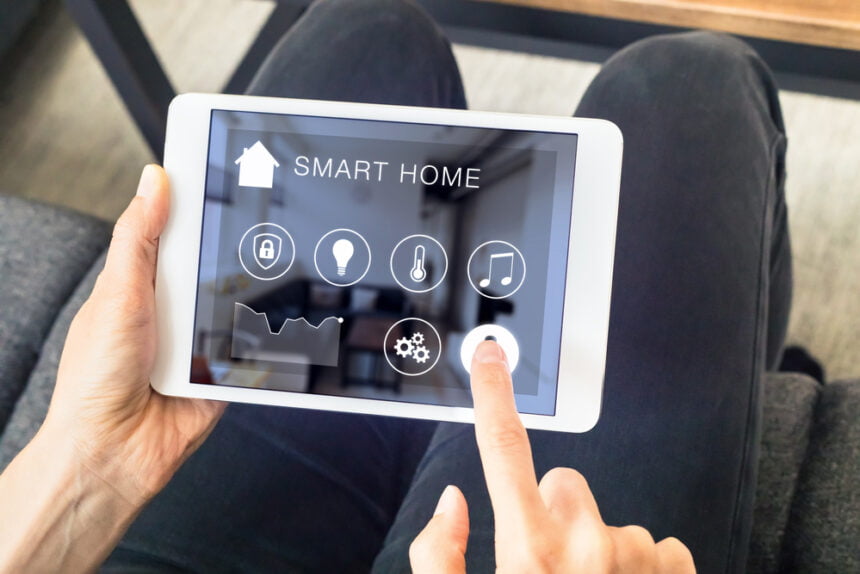

The rapid evolution of rental property tech innovation is transforming how landlords, property managers, and tenants interact with residential and commercial spaces. Among the most impactful advancements are smart sensors, which are reshaping safety, efficiency, and convenience in the rental sector. These devices are no longer futuristic concepts—they are practical tools that deliver real-time insights, automate maintenance, and enhance the overall rental experience.
From monitoring environmental conditions to detecting unauthorized access, smart sensors offer a new layer of intelligence for rental properties. As adoption grows, understanding the latest trends and practical applications is essential for anyone involved in property management or ownership. For those managing multiple units or seeking scalable solutions, exploring multi unit rental sensor systems can provide valuable insights into large-scale implementation.
How Smart Sensors Are Shaping Modern Rentals
Smart sensors are small, connected devices that monitor various aspects of a property and transmit data to property managers or owners. Their applications in the rental market are broad, including:
- Environmental monitoring (temperature, humidity, air quality)
- Security enhancements (motion detection, door/window sensors)
- Maintenance alerts (water leaks, smoke, or gas detection)
- Energy optimization (smart thermostats, occupancy sensors)
These innovations help reduce costs, prevent damage, and create safer, more attractive rental environments. By integrating smart sensors, landlords can respond proactively to issues, often before tenants even notice a problem.
Key Benefits of Tech-Driven Property Management
Embracing rental property tech innovation brings tangible benefits for both property owners and tenants. Here’s how smart sensors are making a difference:
- Proactive Maintenance: Sensors can detect leaks, mold risk, or HVAC failures early, minimizing costly repairs and tenant disruptions.
- Enhanced Security: Motion sensors and smart locks provide real-time alerts, deterring unauthorized access and improving tenant peace of mind.
- Energy Efficiency: Automated controls adjust heating, cooling, and lighting based on occupancy, reducing utility costs and environmental impact.
- Compliance and Safety: Smoke, carbon monoxide, and water sensors help meet regulatory requirements and protect residents.
- Remote Management: Property managers can monitor and control systems from anywhere, streamlining operations for single units or entire portfolios.
Types of Smart Sensors for Rental Properties
There is a wide range of smart sensors available, each designed to address specific needs within rental environments. Some of the most popular include:
- Water Leak Detectors: Placed near appliances or pipes, these sensors alert managers to leaks before they cause major damage.
- Smoke and CO Detectors: Modern versions connect to Wi-Fi and send instant alerts to both tenants and property managers.
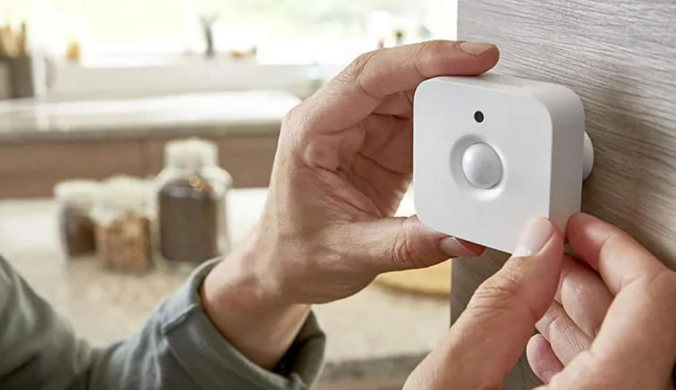
- Motion Sensors: Used for security and energy management, these devices can trigger alarms or adjust lighting based on movement.
- Temperature and Humidity Sensors: Essential for maintaining comfort and preventing mold growth, especially in older buildings.
- Rodent and Pest Detectors: New smart devices can detect rodent activity, helping maintain hygiene and tenant satisfaction.
For a deeper dive into real-world results, consider reviewing smart sensor case studies rentals to see how these devices perform in active rental settings.
Integrating Smart Sensors Into Your Rental Portfolio
Implementing smart sensors across multiple units can seem daunting, but scalable solutions are available. Many property managers start with high-impact areas—such as water leak detection in basements or smart smoke alarms in kitchens—and gradually expand coverage. Cloud-based dashboards allow for centralized monitoring, making it easier to track issues and schedule maintenance efficiently.
For those managing apartment complexes or larger buildings, exploring smart building sensors rentals can reveal strategies for scaling up sensor deployments. These systems often integrate with existing property management software, providing a seamless workflow from alert to resolution.
Unit-specific monitoring is also gaining traction, with options like smart apartment sensors rental enabling tailored oversight for each space. This approach supports both privacy and proactive care, ensuring tenants feel secure without intrusive surveillance.
Challenges and Considerations in Sensor Adoption
While the advantages of smart sensors are clear, there are important factors to consider before adopting these technologies:
- Privacy: Tenants may have concerns about data collection. Clear communication and transparency about what is monitored are essential.
- Integration: Not all devices are compatible with every property management system. Choose sensors that support open standards and easy integration.
- Cost: Upfront investments can be significant, but long-term savings from reduced maintenance and energy costs often offset initial expenses.
- Reliability: Devices must be maintained and tested regularly to ensure they function as intended, especially for safety-critical applications.
Staying informed about the latest trends and best practices is key. For a comprehensive overview of sensor roles in automation, see this guide to smart sensors and their role in home automation.
Future Trends in Rental Property Technology
Looking ahead, the landscape of rental property tech innovation continues to evolve. Artificial intelligence and machine learning are being integrated with sensor networks to provide predictive analytics, enabling even more proactive property management. Expect to see:
- Automated maintenance scheduling based on sensor data trends
- Deeper integration with building management systems and tenant apps
- Advanced analytics for optimizing energy use and identifying recurring issues
- Greater interoperability between devices from different manufacturers
As these technologies mature, property managers and owners who embrace innovation will be better positioned to attract quality tenants, reduce operating costs, and maintain safer, more efficient properties.
FAQ
What are the most important smart sensors for rental properties?
The most valuable sensors for rentals typically include water leak detectors, smoke and carbon monoxide alarms, motion sensors for security, and temperature/humidity monitors. These devices help prevent costly damage, enhance safety, and improve tenant comfort.
How can landlords ensure tenant privacy with smart sensors?
Landlords should clearly communicate what data is collected, how it is used, and where sensors are placed. Choosing non-intrusive devices (such as environmental or leak sensors rather than cameras) and following privacy regulations can help build trust with tenants.
Are smart sensors difficult to install and manage?
Most modern sensors are designed for easy installation and remote management. Many are wireless and battery-powered, requiring minimal disruption. Cloud-based dashboards make it simple to monitor multiple units and receive alerts in real time.
Conclusion
The integration of smart sensors is redefining what’s possible in rental property management. By leveraging these technologies, landlords and property managers can deliver safer, more efficient, and more attractive living environments. As rental property tech innovation accelerates, staying informed and adopting the right solutions will be crucial for long-term success in the rental market.