

Managing energy costs is a top priority for short-term rental hosts. With the rise of smart technology, electricity usage sensors airbnb solutions have become essential for property owners looking to monitor and optimize their utility expenses. These devices provide real-time insights into power consumption, helping hosts identify waste, prevent overuse, and ultimately save money. Whether you manage a single unit or a growing portfolio, understanding how to leverage these sensors can make a significant difference in your bottom line.
In this guide, you’ll discover how energy monitoring technology can benefit your rental business, what features to look for, and how to integrate these tools with other smart property management systems. For hosts scaling up, exploring scalable rental sensor systems can further streamline operations and maximize efficiency.
Why Smart Energy Monitoring Matters for Short-Term Rentals
Short-term rental properties often see fluctuating occupancy and unpredictable energy use. Guests may leave lights, air conditioning, or appliances running when not needed, leading to higher bills and unnecessary environmental impact. By installing electricity usage sensors for airbnb properties, hosts gain visibility into consumption patterns and can take proactive steps to reduce waste.
- Cost savings: Identify high-usage periods and devices to adjust settings or educate guests.
- Remote monitoring: Check real-time and historical data from anywhere, allowing for quick response to anomalies.
- Guest comfort: Maintain optimal temperatures and lighting while avoiding excessive use.
- Maintenance alerts: Detect unusual spikes that may signal faulty appliances or HVAC issues.
Integrating these sensors with a smart alert system for hosts ensures you receive instant notifications if usage exceeds set thresholds, helping you intervene before costs escalate.
Types of Electricity Usage Sensors for Airbnb Hosts
There are several categories of energy monitoring devices suitable for rental properties:
- Whole-home monitors: Installed at the electrical panel, these track total consumption and can often break down usage by circuit or appliance.
- Smart plugs and outlets: Plug-in devices that monitor and control individual appliances, ideal for high-draw items like heaters or window AC units.
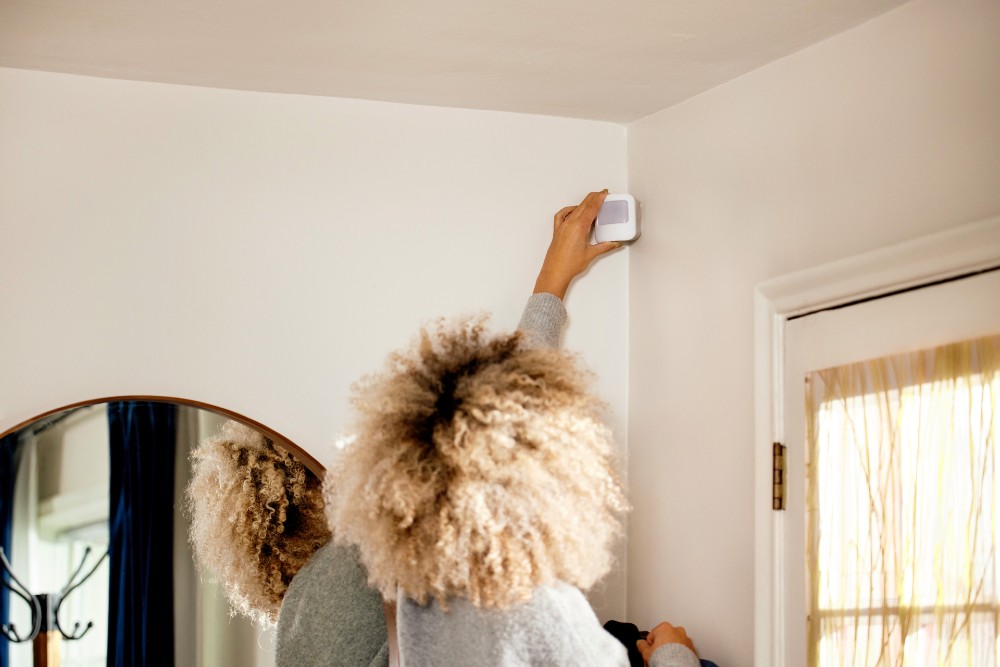
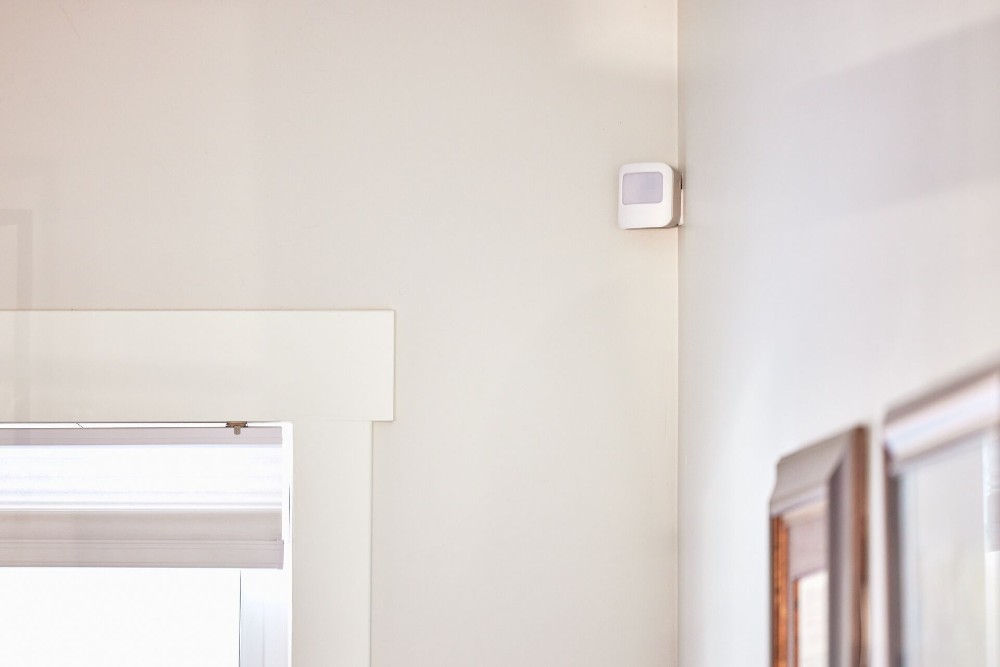
- Room occupancy sensors: Detect when spaces are in use, enabling automated control of lights and climate systems.
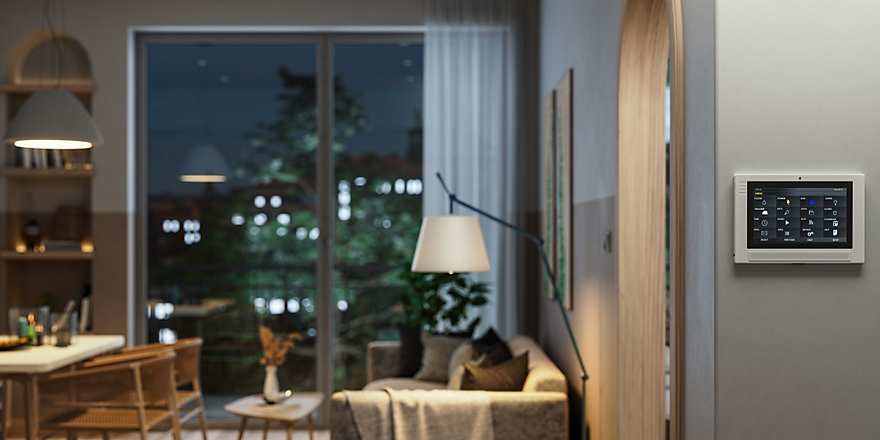
- Integration-ready sensors: Devices compatible with smart home hubs, allowing for automation and remote management.
Choosing the right mix depends on your property layout, guest behavior, and the level of control you want to maintain.
Key Features to Look for in Energy Sensors
Not all monitoring devices are created equal. When selecting electricity usage sensors for airbnb properties, prioritize these features:
- Real-time monitoring: Immediate feedback helps you spot and address issues quickly.
- Historical data: Trends over days, weeks, or months reveal patterns and opportunities for savings.
- Remote access: Mobile apps or web dashboards let you check usage from anywhere.
- Integration with smart home platforms: Compatibility with Alexa, Google Home, or property management systems streamlines automation.
- Customizable alerts: Set thresholds for usage and receive notifications if exceeded.
- Easy installation: Wireless and plug-and-play options minimize setup time and disruption.
For hosts managing multiple units, consider solutions that support centralized monitoring and reporting. This makes it easier to compare properties and identify outliers.
Integrating Energy Sensors with Other Smart Property Tools
Combining energy monitoring with other smart devices amplifies your ability to control costs and enhance guest experience. For example, pairing sensors with airbnb smart access control systems can automate lighting and HVAC based on check-in and check-out times. Similarly, integrating with property manager smart sensors allows for a holistic view of property health, from security to maintenance.
Many modern sensors are designed to work within broader home automation ecosystems. According to a review of the best smart home sensors for Alexa, compatibility and ease of use are crucial for hosts who want to avoid technical headaches.
Best Practices for Implementing Energy Monitoring in Rentals
To get the most out of your investment in electricity usage sensors airbnb solutions, follow these practical steps:
- Assess your property: Identify high-consumption areas and prioritize sensor placement in kitchens, living rooms, and bedrooms.
- Educate guests: Use signage or digital welcome guides to inform guests about energy-saving practices and how the property uses smart monitoring.
- Set reasonable thresholds: Avoid overly strict limits that could impact guest comfort, but establish clear boundaries to prevent abuse.
- Monitor data regularly: Review reports to spot trends, address issues, and adjust settings as needed.
- Integrate with other systems: Link energy sensors with security, access, and maintenance tools for comprehensive oversight.
- Stay updated: As technology evolves, consider upgrading to newer models with enhanced features and integrations.
For hosts concerned about entry management, pairing energy sensors with rental property access sensors can further automate and secure the guest experience.
Common Challenges and How to Overcome Them
While the benefits of smart energy monitoring are clear, hosts may encounter a few hurdles:
- Guest privacy concerns: Be transparent about what is being monitored and reassure guests that sensors track energy use, not personal activity.
- Technical setup: Choose user-friendly devices with strong customer support and detailed installation guides.
- Integration complexity: Opt for sensors that work with your existing smart home ecosystem to minimize compatibility issues.
- Upfront costs: While there is an initial investment, the long-term savings on utility bills and maintenance often outweigh the expense.
By addressing these challenges proactively, you can ensure a smooth transition to smarter, more efficient property management.
FAQ: Electricity Monitoring in Short-Term Rentals
How do electricity usage sensors help reduce energy bills in rentals?
These devices provide real-time and historical data on power consumption, allowing hosts to identify wasteful habits, set usage thresholds, and automate systems for efficiency. Over time, this leads to lower utility costs and a more sustainable property.
Are these sensors difficult to install or maintain?
Most modern energy sensors are designed for easy installation, with wireless options and intuitive apps. Maintenance typically involves occasional software updates and ensuring devices remain connected to your network.
Can guests tamper with or disable the sensors?
While most sensors are discreet and tamper-resistant, it’s wise to place them in locations that are visible but not easily accessible. Informing guests about their purpose and benefits can also reduce the likelihood of interference.
Conclusion
Adopting electricity usage sensors airbnb solutions is a practical step for hosts aiming to control costs, enhance guest comfort, and operate more sustainably. By choosing the right devices, integrating them with other smart tools, and following best practices, you can transform your rental into a model of efficiency and modern hospitality.