


Protecting rental investments and ensuring tenant satisfaction are top priorities for property owners and managers. Rental property monitoring sensors have emerged as essential tools for maintaining security, detecting maintenance issues early, and streamlining operations. These devices provide real-time insights, help prevent costly damages, and support compliance with safety regulations. Whether you manage a single unit or a large portfolio, understanding the types and benefits of these sensors can make a significant difference in your property management strategy.
In this guide, we’ll explore the main categories of monitoring devices, how they enhance both security and maintenance, and practical considerations for selecting and installing them. For those managing multiple units, integrating scalable rental sensor systems can further optimize efficiency and oversight across properties.
Why Use Monitoring Sensors in Rental Properties?
Modern landlords and property managers face a range of challenges, from unauthorized access to undetected leaks or smoke. By deploying rental property monitoring sensors, owners can:
- Enhance security by detecting unauthorized entry or unusual activity.
- Reduce maintenance costs through early detection of water leaks, temperature fluctuations, or pest activity.
- Improve tenant safety with smoke, carbon monoxide, and air quality alerts.
- Streamline operations with automated alerts and remote monitoring.
Integrating these devices with a property manager smart sensors platform can further centralize data and automate responses, making property management more efficient.
Types of Sensors for Security and Maintenance
There’s a wide variety of monitoring devices available for rental units. Choosing the right combination depends on your property type, location, and risk profile. Here are the most common categories:
Entry and Motion Detection
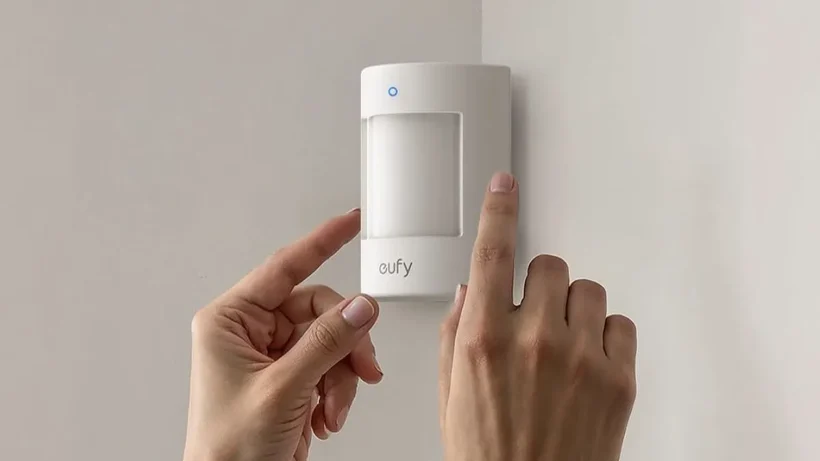
Door and window sensors, as well as motion detectors, are the foundation of any property security system. These devices send instant alerts if doors or windows are opened unexpectedly or if movement is detected in restricted areas. Integrating them with a rental property access sensors solution allows for real-time monitoring and remote access management.
Environmental and Maintenance Sensors
Environmental sensors help prevent damage from water, fire, and air quality issues. Key types include:
- Water leak detectors – Identify leaks early to prevent mold and structural damage.
- Smoke and carbon monoxide alarms – Essential for tenant safety and regulatory compliance.
- Humidity and temperature sensors – Monitor HVAC performance and prevent frozen pipes or overheating.
- Rodent and pest sensors – Detect unwanted activity before infestations become severe.
Noise and Occupancy Monitoring
Noise sensors help ensure compliance with local ordinances and lease agreements, especially in short-term rentals. Occupancy sensors can alert owners to unauthorized guests or parties, protecting both property and neighborhood relations. For hosts seeking instant notifications, a smart alert system for hosts can provide peace of mind and rapid response capabilities.
How Monitoring Devices Improve Security
Security is a top concern for both property owners and tenants. By installing monitoring sensors, you can:
- Deter break-ins with visible devices and signage.
- Receive instant alerts for unauthorized access or tampering.
- Integrate with smart locks and access control systems for remote management.
- Maintain detailed logs of entry and exit events for dispute resolution.
Combining these technologies with Airbnb smart access control systems enables owners to manage permissions remotely, further reducing the risk of unauthorized use.
Maintenance Benefits of Smart Sensors
Beyond security, rental property monitoring sensors play a crucial role in proactive maintenance. Early detection of leaks, smoke, or HVAC issues can save thousands in repair costs and minimize tenant disruption. Automated alerts allow for faster response times and help maintain the property’s value over time.
For example, a water leak sensor placed near a water heater or under sinks can notify you of moisture before it leads to extensive damage. Similarly, smart smoke detectors with remote alerts ensure you’re informed of any fire risk even when the property is vacant.

Choosing the Right Sensors for Your Rental
Selecting the best monitoring devices depends on your property’s unique needs. Consider the following factors:
- Property size and layout – Larger or multi-unit buildings may require more comprehensive coverage.
- Location risks – Properties in flood-prone or high-crime areas benefit from specialized sensors.
- Tenant privacy – Choose devices that respect privacy while providing necessary oversight.
- Integration – Look for sensors compatible with your existing smart home or property management platforms.
- Budget – Balance upfront costs with potential savings from damage prevention and operational efficiency.
For a detailed breakdown of sensor types and their applications, refer to this comprehensive guide to choosing sensors.
Installation and Best Practices
Proper installation is key to maximizing the benefits of monitoring technology. Here are some best practices:
- Strategic placement – Install sensors in high-risk areas such as entry points, kitchens, bathrooms, and utility rooms.
- Regular testing – Schedule periodic checks to ensure all devices are functioning correctly.
- Clear communication – Inform tenants about the presence and purpose of sensors to build trust and ensure compliance.
- Data privacy – Use systems that encrypt data and comply with privacy regulations.
- Maintenance – Replace batteries and update firmware as recommended by manufacturers.
For multi-unit portfolios, integrating with a centralized dashboard can simplify monitoring and maintenance across all properties.
Frequently Asked Questions
What are the most important sensors for rental properties?
The most critical devices include entry sensors, motion detectors, water leak sensors, and smoke/CO alarms. These cover the main risks of unauthorized access, fire, and water damage. Adding noise and occupancy sensors is especially useful for short-term rentals.
How do monitoring sensors help reduce maintenance costs?
By detecting issues like leaks or HVAC failures early, these devices prevent minor problems from becoming major repairs. Automated alerts enable faster response times, minimizing property damage and reducing downtime between tenants.
Are monitoring devices intrusive for tenants?
When installed and communicated properly, these sensors are minimally intrusive. Most are placed in common or high-risk areas, not in private spaces. Transparency about their purpose and respecting tenant privacy are key to maintaining good relationships.
Conclusion
Investing in rental property monitoring sensors is a practical step for any landlord or property manager looking to safeguard assets, reduce maintenance costs, and provide a safer environment for tenants. With a range of options available, from security to environmental monitoring, these devices offer both peace of mind and tangible financial benefits. As technology evolves, integrating smart sensors into your property management workflow will become increasingly essential for staying competitive and compliant in the rental market.