
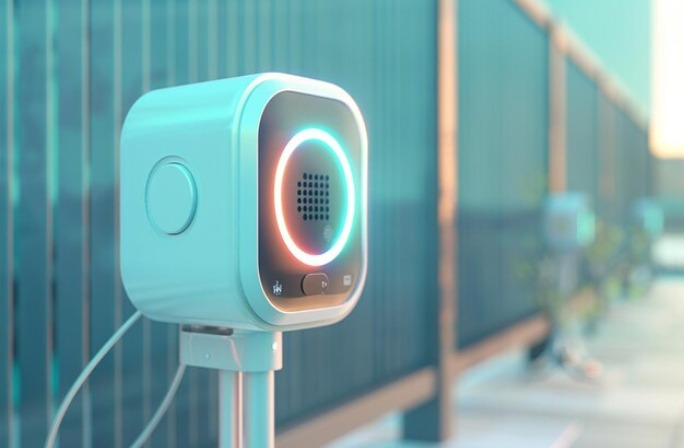

Short-term rental properties and Airbnb listings are evolving rapidly as guests expect more convenience, safety, and efficiency during their stay. Property owners and managers are increasingly turning to smart home integration rentals to streamline operations, enhance guest experience, and protect their investments. By adopting connected devices and automation, hosts can offer modern amenities while reducing manual oversight and operational headaches.
Whether you manage a single apartment or a portfolio of vacation homes, integrating smart technology can help you stand out in a competitive market. This guide explores the essentials of implementing automation in rental properties, the benefits for both hosts and guests, and practical steps to get started. For property managers seeking even more control, tools like smart sensor dashboard rentals offer unified views of multiple units, making oversight easier than ever.
Why Add Automation to Rental Properties?
Integrating smart devices into rental homes offers a range of advantages for both hosts and guests. For owners, automation can mean fewer maintenance calls, better security, and improved energy efficiency. Guests benefit from a seamless, modern experience that often leads to better reviews and repeat bookings.
- Remote Access: Control locks, lights, and thermostats from anywhere, reducing the need for in-person check-ins.
- Enhanced Security: Smart locks and cameras help protect your property and guests.
- Energy Savings: Automate heating, cooling, and lighting to prevent waste when the unit is unoccupied.
- Operational Efficiency: Receive alerts for smoke, leaks, or unauthorized occupancy, allowing for quick response.
For those looking to optimize their operations further, leveraging property management sensor data can provide actionable insights into guest behavior and property performance.
Key Components of Smart Home Integration for Rentals
Successful smart home integration rentals rely on selecting the right mix of devices and platforms. The most impactful solutions are those that are easy to install, user-friendly for guests, and manageable remotely by hosts.
- Smart Locks: Enable keyless entry and remote access management. Change codes between guests for added security.
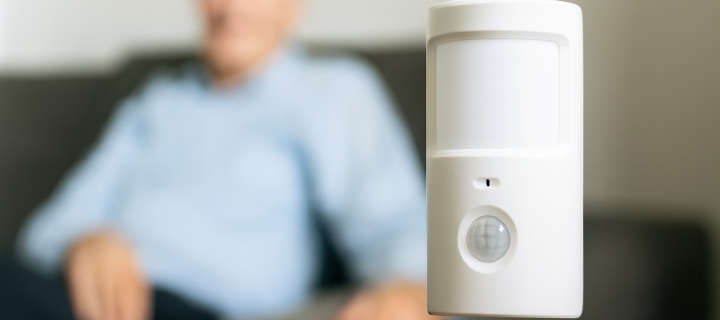
- WiFi Sensors: Devices like wifi sensors for rental homes monitor temperature, humidity, and motion, helping maintain comfort and safety.
- Environmental Sensors: Smoke, CO, and leak detectors can send instant alerts to your phone, reducing risk and liability.
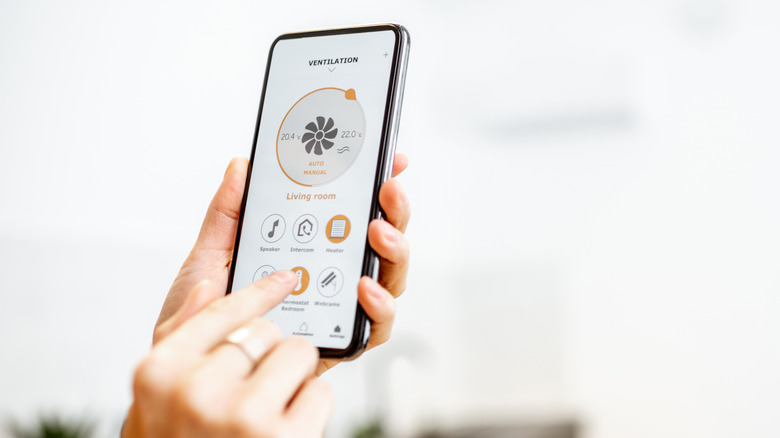
- Smart Thermostats: Adjust heating and cooling remotely, saving energy when the property is vacant.
- Lighting Automation: Set schedules or use occupancy sensors to ensure lights are only on when needed.
- Noise and Occupancy Monitoring: Tools like smart occupancy tracking airbnb help enforce guest limits and prevent parties.
Choosing the Right Devices for Your Property
When selecting devices for your rental, prioritize those that are reliable, easy to use, and compatible with your preferred management platform. Consider the following:
- Guest Experience: Devices should be intuitive. Complicated systems can frustrate guests and lead to negative reviews.
- Remote Management: Ensure you can monitor and control devices from your phone or computer, especially if you manage properties from afar.
- Integration: Look for products that work well together or with a central hub, minimizing app overload.
- Maintenance: Choose devices with long battery life or easy power solutions to reduce upkeep.
For a deeper dive into how connected devices can transform your business, see iot data for rental properties for strategies on leveraging automation for growth.
Installation and Setup Tips for Smart Home Integration Rentals
Getting started with automation doesn’t have to be complex. Many devices are designed for DIY installation, but professional help may be worthwhile for more advanced setups. Here are some practical tips:
- Start with the essentials—locks, smoke detectors, and thermostats—before expanding to more advanced sensors or cameras.
- Test each device after installation to ensure it works as expected and is accessible remotely.
- Document instructions for guests, including how to use smart locks or adjust the thermostat.
- Schedule regular checks to ensure devices remain online and functional, especially between guest stays.
Security, Privacy, and Guest Communication
While automation brings many benefits, it’s important to respect guest privacy and communicate clearly about any monitoring devices. Always disclose the presence of cameras (never inside living spaces), sensors, or noise monitors in your listing and welcome materials. Transparency builds trust and helps avoid misunderstandings.
For more on best practices and compliance, resources like this article on smart home automation for hospitality provide valuable guidance for hosts and property managers.
Maximizing ROI with Automation
Investing in smart home integration rentals can pay off through higher nightly rates, fewer operational issues, and better guest reviews. To maximize your return:
- Highlight smart features in your listing to attract tech-savvy travelers.
- Use automation to reduce manual tasks, such as key handovers or temperature adjustments.
- Leverage data from sensors to identify trends, prevent damage, and optimize energy use.
- Stay updated on new products and integrations that can further streamline your operations.
For those managing multiple units, platforms that consolidate device data—such as smart sensor dashboards—can be invaluable for scaling efficiently.
FAQs About Smart Home Integration in Rentals
What are the most important devices to install in a rental property?
The essentials include smart locks for keyless entry, environmental sensors (like smoke and CO detectors), and smart thermostats. These provide security, safety, and energy savings with minimal guest training required.
How do I ensure guests can use smart devices easily?
Choose intuitive products and provide clear instructions in your welcome materials. Consider a quick-start guide for devices like locks and thermostats to minimize confusion and support calls.
Is smart home automation secure for rental properties?
Most reputable devices use encrypted connections and offer secure remote access. Always keep firmware updated and use strong passwords. Disclose any monitoring devices to guests and avoid installing cameras in private areas.
Conclusion
Adopting automation in short-term rentals and Airbnb properties offers tangible benefits for both hosts and guests. From improved security and energy efficiency to a smoother guest experience, smart devices are quickly becoming the standard in modern hospitality. By choosing reliable products, focusing on guest usability, and leveraging data for better management, property owners can future-proof their investments and deliver exceptional stays.