
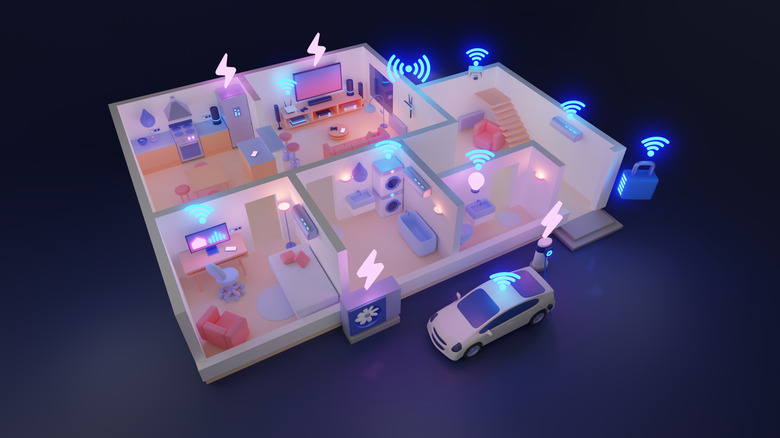

Managing short-term rentals is increasingly streamlined, thanks to the rise of smart rental automation tools. These solutions empower property owners and managers to automate routine tasks, improve guest experiences, and protect their investments—all with minimal hands-on involvement. Whether you’re overseeing a single vacation home or a portfolio of properties, leveraging automation can save time, reduce errors, and boost profitability.
This guide explores the most effective devices and platforms for automating rental operations. You’ll discover how smart sensors, dashboards, and integrated systems can simplify everything from guest check-ins to property monitoring. For those interested in optimizing their workflow even further, resources like wifi sensors for rental homes offer additional insights into easy setup and control options.
Why Automate Your Rental Property?
Automation is transforming the rental industry by making property management more efficient and secure. With the right smart rental automation tools, hosts can:
- Automate guest check-ins and check-outs with digital locks and scheduling systems
- Monitor property conditions remotely using environmental and occupancy sensors
- Receive instant alerts for issues like smoke, leaks, or unauthorized access
- Reduce manual labor and human error
- Improve guest satisfaction with seamless, tech-driven experiences
By integrating these technologies, hosts can focus on growing their business rather than being bogged down by daily operational tasks. For those seeking to optimize operations further, exploring property management sensor data can provide actionable insights for smarter decision-making.
Essential Smart Devices for Rental Automation
Modern rental automation relies on a combination of hardware and software. Here are some of the most impactful devices and platforms for hands-off hosting:
Smart Locks and Keyless Entry Systems
Digital locks allow guests to check in and out without the need for physical keys. Hosts can generate unique codes for each reservation, track entry logs, and revoke access remotely. This not only improves security but also eliminates the hassle of lost keys or late-night lockouts.
Environmental and Security Sensors
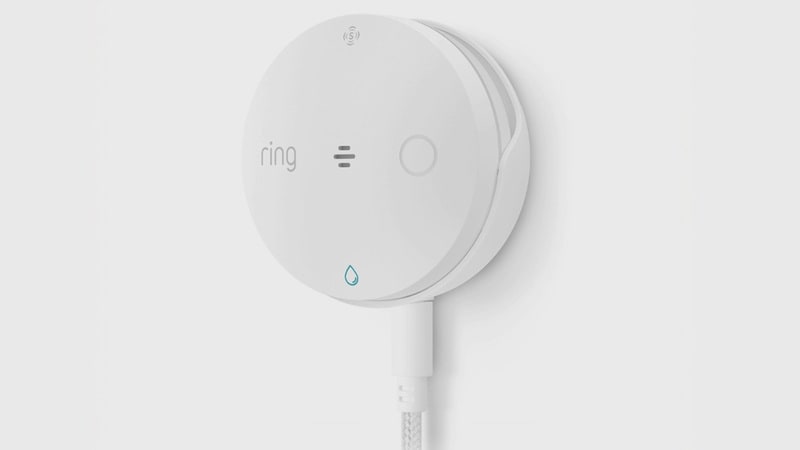
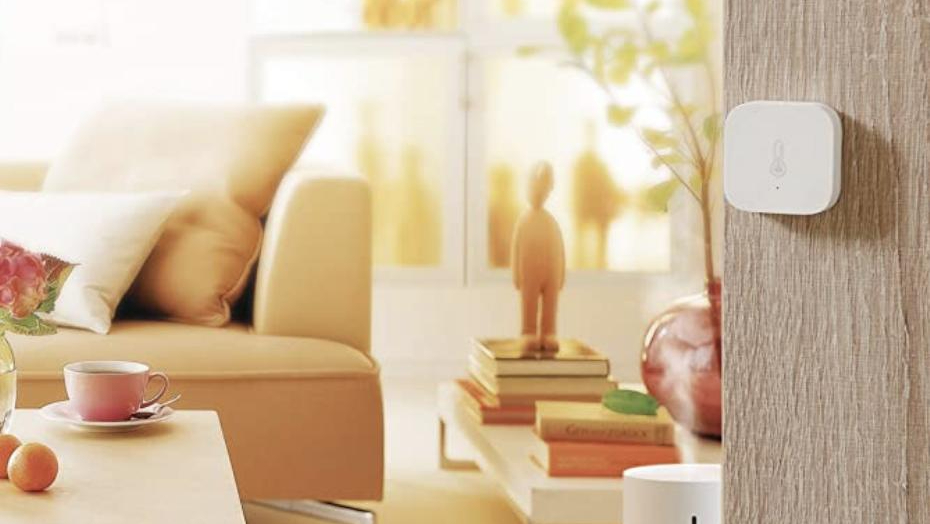
Installing smart sensors is one of the most effective ways to monitor your property’s condition in real time. These devices can detect motion, temperature changes, humidity, smoke, water leaks, and even pest activity. For an in-depth look at the best options, consider this review of top smart home sensors for Alexa.
Unified Sensor Dashboards
Managing multiple devices across several properties can quickly become overwhelming. A smart sensor dashboard for rentals consolidates data from all your sensors into one interface, allowing you to monitor occupancy, air quality, security, and more from anywhere. This unified view streamlines oversight and helps you respond to issues faster.
Occupancy and Noise Monitoring
To prevent unauthorized parties and ensure compliance with local regulations, occupancy and noise sensors are invaluable. These devices alert you if guest numbers exceed limits or if noise levels rise above acceptable thresholds. For Airbnb hosts, smart occupancy tracking solutions can help manage guest limits and avoid potential fines.
Choosing the Right Automation Tools for Your Needs
With so many options available, selecting the best automation setup depends on your property type, guest profile, and management style. Here are some factors to consider:
- Integration: Choose devices that work together seamlessly, ideally through a unified dashboard or app.
- Remote Access: Ensure you can monitor and control your systems from anywhere, especially if you manage properties off-site.
- Scalability: Opt for solutions that can grow with your portfolio, adding new devices or properties as needed.
- Reliability: Prioritize products with strong reviews, robust support, and proven track records in the rental industry.
- Data Insights: Leverage platforms that provide actionable analytics, such as IoT data for rental properties, to inform your business decisions.
Benefits of Smart Automation for Hosts and Guests
Implementing smart rental automation tools offers tangible advantages for both property owners and their guests:
- Time Savings: Automate repetitive tasks like check-ins, check-outs, and maintenance alerts.
- Enhanced Security: Monitor access and receive instant notifications of unusual activity or emergencies.
- Cost Reduction: Minimize manual labor and prevent costly damages with early detection of issues.
- Improved Guest Experience: Offer seamless, contactless stays with personalized access and responsive support.
- Peace of Mind: Stay informed about your property’s status, even when you’re miles away.
Integrating Automation with Your Property Management Workflow
To maximize the benefits of automation, it’s important to integrate your devices and platforms into a cohesive workflow. Many property management systems now offer built-in support for smart locks, sensors, and dashboards. By connecting these tools, you can automate notifications, schedule maintenance, and generate reports—all from a single interface.
For hosts managing multiple units, investing in a centralized dashboard is especially valuable. This approach not only saves time but also ensures consistency across your portfolio. As technology evolves, staying informed about new features and integrations will help you maintain a competitive edge in the rental market.
FAQ
What are the most important smart devices for rental automation?
The most impactful devices include smart locks for keyless entry, environmental sensors for monitoring temperature and humidity, smoke and leak detectors, and occupancy or noise monitors. Integrating these with a unified dashboard allows for efficient, remote management.
How do automation tools improve guest experiences?
Automation provides guests with seamless check-ins, personalized access codes, and prompt responses to issues. It also enhances safety and privacy, as many tasks are handled without direct host involvement.
Are smart rental automation tools difficult to install and manage?
Most modern devices are designed for easy installation and user-friendly management. Many systems offer plug-and-play setups and intuitive apps, making them accessible even for hosts without technical backgrounds.