
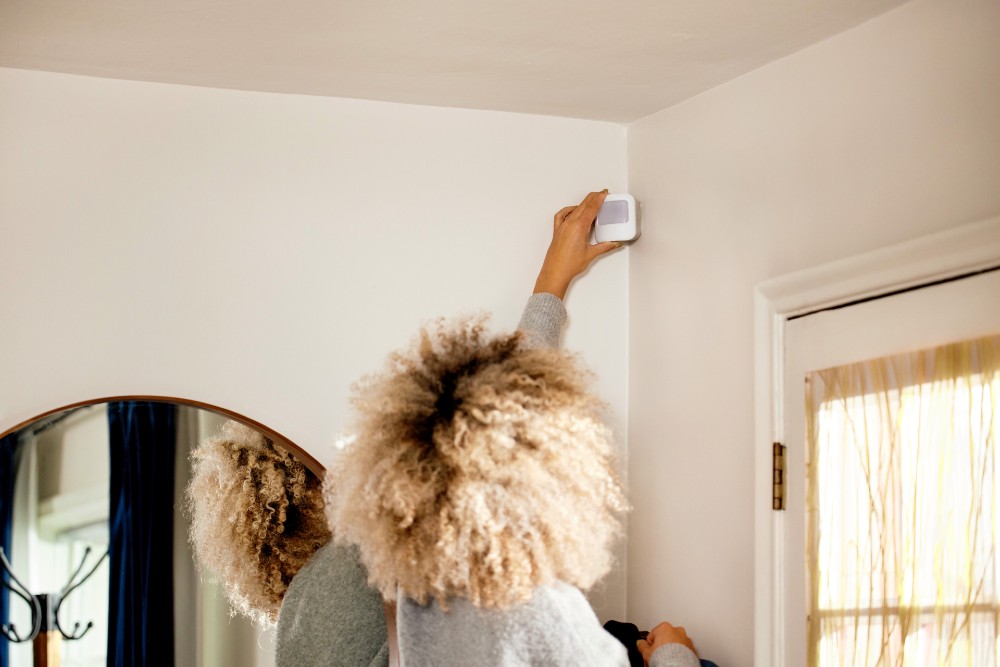

Landlords and property managers are always searching for ways to protect their investments, streamline operations, and offer tenants a better living experience. In recent years, smart sensors have emerged as a practical, cost-effective solution for rental properties of all types. From security to maintenance and energy management, these devices are transforming how rental homes and apartments are managed. Understanding why use smart sensors in rentals can give landlords a clear edge in today’s competitive market.
Smart sensors are compact devices that monitor environmental conditions, detect motion, track occupancy, and even alert to hazards like smoke or water leaks. When integrated into a rental property, these sensors provide real-time data and automated alerts, helping landlords respond quickly to issues and maintain a safer, more efficient environment for tenants.
For those interested in the latest developments in property technology, exploring smart home trends vacation rentals can provide valuable insights into what modern tenants expect and how landlords can stay ahead.
Key Benefits of Smart Sensors for Landlords
Adopting smart sensor technology in rental properties offers a range of advantages. Here’s how these devices can make a tangible difference for property owners:
- Enhanced Security: Motion detectors, door/window sensors, and glass break sensors help prevent unauthorized access and alert landlords to potential break-ins.
- Maintenance Alerts: Water leak sensors and smoke detectors can catch problems early, minimizing damage and repair costs.
- Energy Efficiency: Occupancy and temperature sensors optimize heating, cooling, and lighting, reducing utility bills and environmental impact.
- Remote Monitoring: Landlords can keep an eye on their properties from anywhere, receiving instant notifications if something goes wrong.
- Tenant Satisfaction: Proactive maintenance and improved safety contribute to happier tenants and higher retention rates.
How Smart Sensors Improve Security in Rental Properties
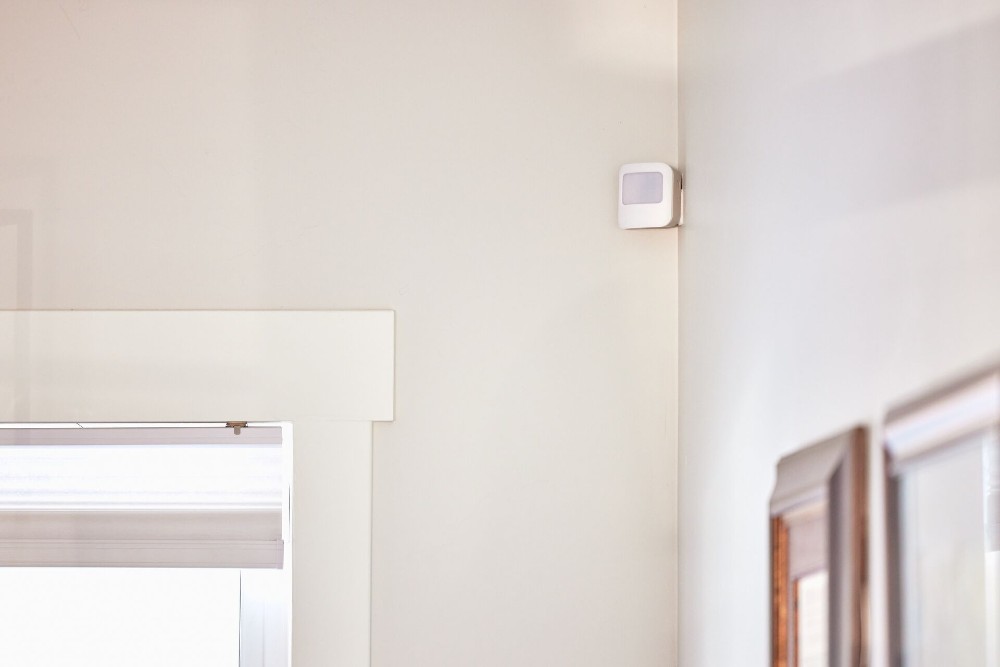
Security is a top concern for both landlords and tenants. Integrating smart sensors into rental units provides an extra layer of protection and peace of mind. Motion sensors placed at entry points or in common areas can detect unusual activity and trigger alerts or alarms. Door and window sensors notify property managers if these access points are opened unexpectedly, helping to deter break-ins and unauthorized entry.
Many modern systems can be integrated with smart locks, cameras, and alarm systems, creating a comprehensive security network. For those managing short-term rentals or vacation properties, this level of oversight is especially valuable, as it allows for remote monitoring between guest stays and during periods of vacancy.
For a deeper dive into the security and cost-saving aspects, check out the benefits of smart sensors for Airbnb to see how these devices are transforming the rental landscape.
Reducing Maintenance Costs and Preventing Damage
One of the most practical reasons for landlords to consider smart sensor technology is the ability to catch maintenance issues before they escalate. Water leak sensors placed near appliances, under sinks, or in basements can detect moisture and alert property managers instantly. This early warning system helps prevent costly water damage, mold growth, and insurance claims.
Similarly, smart smoke and carbon monoxide detectors provide real-time alerts, even when the property is vacant. These devices can be monitored remotely, ensuring that emergencies are addressed quickly and efficiently. By automating maintenance alerts, landlords can reduce downtime, avoid major repairs, and keep tenants safe.
Boosting Energy Efficiency and Lowering Utility Bills
Smart sensors also play a crucial role in managing energy consumption. Occupancy sensors can automatically adjust lighting and HVAC systems based on whether a room is in use. Temperature and humidity sensors help optimize heating and cooling, ensuring comfort while minimizing waste.
For landlords who include utilities in the rent, these savings can add up significantly over time. Even for tenants who pay their own bills, energy-efficient features are a strong selling point and can help attract eco-conscious renters. To learn more about implementing these systems, the IoT setup for vacation rentals guide offers a step-by-step approach to integrating smart technology.
Streamlining Operations and Improving Tenant Experience
Beyond security and maintenance, smart sensors can automate many day-to-day tasks for landlords. For example, smart locks and access sensors simplify key handovers and track entry, making move-ins and move-outs more efficient. Environmental sensors help maintain optimal indoor air quality, which can be a major selling point for health-conscious renters.
Automated alerts and remote monitoring reduce the need for in-person inspections, saving time for both landlords and tenants. This convenience, combined with the added safety and comfort, can set a rental property apart from the competition. For more on what guests are looking for in modern rentals, see the Airbnb smart home guide for top sensor recommendations.
Choosing the Right Smart Sensors for Your Rental
With a wide variety of devices on the market, selecting the best options for your property depends on your goals and budget. Some of the most popular sensor types include:
- Motion Sensors: Detect movement and can trigger lights or alarms.
- Door/Window Sensors: Monitor entry points for unauthorized access.
- Water Leak Detectors: Alert to leaks near appliances, pipes, or basements.
- Smoke and CO Sensors: Provide critical safety alerts for fire and gas leaks.
- Temperature and Humidity Sensors: Optimize climate control and prevent mold.
- Rodent and Pest Detectors: Monitor for unwanted pests, reducing infestations.
When choosing devices, consider compatibility with your existing systems, ease of installation, and whether you want to manage everything from a single app or dashboard. For landlords interested in voice assistant integration, the best smart home sensors for Alexa roundup provides expert recommendations and real-world testing results.
Looking Ahead: The Future of Smart Rentals
The adoption of smart sensors is only expected to grow as technology becomes more affordable and tenants demand higher standards of safety and convenience. Integrating these devices not only protects your investment but also positions your property as a forward-thinking, desirable place to live. For a look at what’s next in property technology, the future of smart rentals IoT article highlights emerging trends and innovations to watch.
Frequently Asked Questions
What types of smart sensors are most useful for rental properties?
The most beneficial sensors for rentals include motion detectors, door/window sensors, water leak detectors, smoke and carbon monoxide alarms, and temperature/humidity monitors. These devices address the main concerns of security, maintenance, and energy efficiency.
Are smart sensors difficult to install in existing properties?
Most modern smart sensors are designed for easy installation, often requiring no more than adhesive strips or simple mounting hardware. Many are wireless and battery-powered, making them suitable for retrofitting older buildings without major renovations.
How do smart sensors benefit tenants as well as landlords?
Tenants enjoy increased safety, faster maintenance response, and a more comfortable living environment. Automated systems mean fewer disruptions and a more modern, attractive rental experience, which can lead to higher satisfaction and longer tenancies.