

Short-term rental owners are increasingly turning to smart technology to improve security, automate operations, and create a seamless guest experience. A well-planned iot setup for vacation rentals can help hosts save time, reduce costs, and protect their property—all while impressing guests with modern conveniences. This guide walks you through the essential steps, devices, and best practices to get your rental connected and running smoothly.
Before diving into device selection and installation, it’s important to understand how connected sensors and automation can impact your business. Smart locks, environmental monitors, and occupancy sensors can all contribute to a safer, more efficient rental. For a deeper dive into the benefits and must-have devices, check out must have sensors for rentals for expert recommendations tailored to property owners.
Why Smart Devices Matter for Short-Term Rentals
Integrating smart sensors and automation into your rental property offers several advantages:
- Enhanced security: Smart locks and cameras help monitor access and deter unauthorized entry.
- Energy efficiency: Automated thermostats and lighting reduce utility costs by adjusting settings when guests are away.
- Guest satisfaction: Keyless entry, voice assistants, and instant maintenance alerts create a modern, hassle-free stay.
- Remote management: Control and monitor your property from anywhere, reducing the need for on-site visits.
With the right iot setup for vacation rentals, you can automate routine tasks, respond quickly to issues, and deliver a consistent guest experience.
Planning Your IoT Ecosystem: What to Consider
Before purchasing devices, take time to assess your property’s needs and infrastructure. Here are key factors to keep in mind:
- Wi-Fi coverage: Ensure strong, reliable internet throughout the property. Dead zones can disrupt device connectivity.
- Compatibility: Choose devices that work together or can be managed from a single app or platform.
- Privacy and security: Select products with robust encryption and clear privacy policies to protect guest data.
- Ease of use: Devices should be intuitive for both hosts and guests, with clear instructions and minimal setup.
Mapping out your needs in advance helps avoid costly mistakes and ensures your investment delivers value.
Essential Devices for a Connected Rental Property
Let’s explore the core components of a robust smart rental setup. These devices form the backbone of most iot setup for vacation rentals:
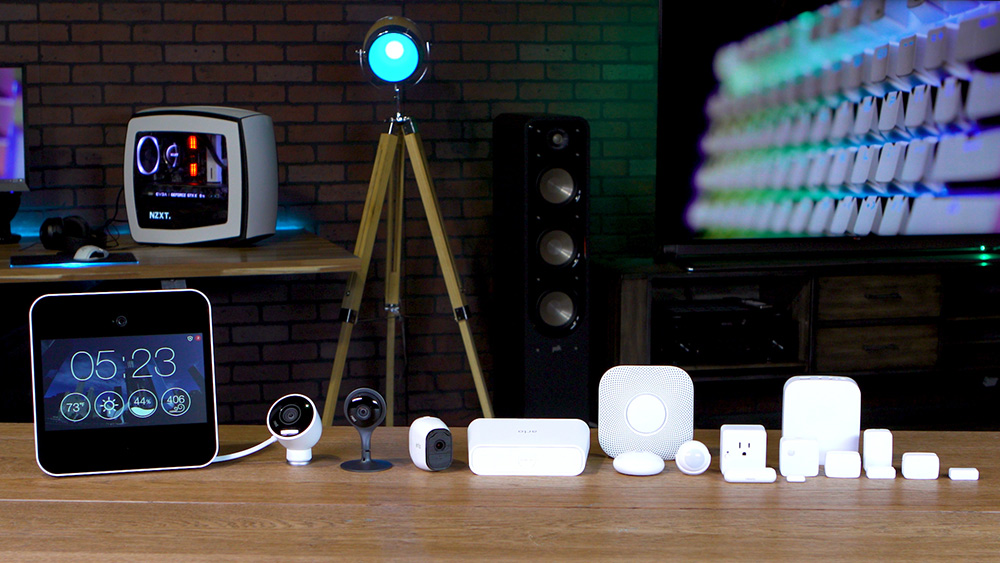
- Smart locks: Allow guests to check in and out without physical keys. Many models let you generate unique codes for each booking and monitor entry logs remotely.
- Security cameras: Outdoor cameras provide peace of mind and help monitor entrances. Always disclose camera locations to guests and avoid placing them in private areas.
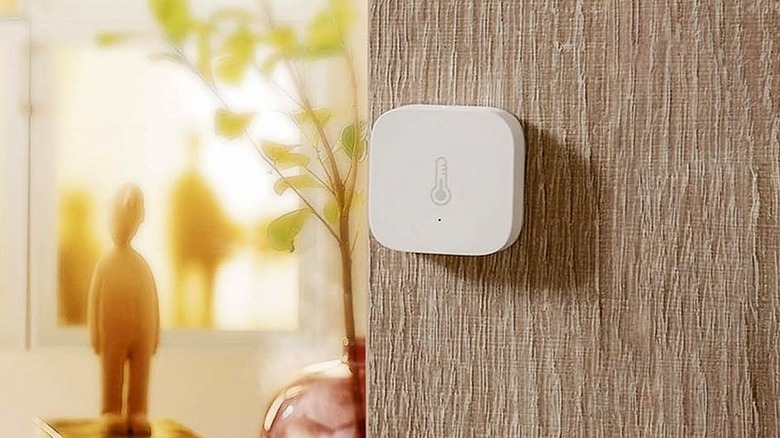
- Environmental sensors: Smoke, carbon monoxide, and water leak detectors can alert you instantly to hazards, reducing the risk of costly damage.
- Occupancy and motion sensors: These devices help automate lighting, HVAC, and security systems based on guest presence. For more on how these sensors work, see this overview of smart sensor automation.
- Smart thermostats: Adjust temperature settings automatically for comfort and efficiency, and allow remote control between guest stays.
- Noise monitoring: Devices that detect excessive noise help prevent parties and property damage, while respecting guest privacy.
For additional inspiration and device recommendations, browse vacation rental smart upgrades and airbnb smart tech essentials to see what other hosts are using successfully.
Step-by-Step Installation and Setup Process
Once you’ve selected your devices, follow these steps to ensure a smooth installation:
- Test your Wi-Fi network: Walk through the property with your phone or a Wi-Fi analyzer app to check signal strength in every room. Consider adding mesh routers or extenders if needed.
- Install smart locks and entry sensors: Start with the main entry points. Follow manufacturer instructions for mounting and setup. Test each lock with a unique code before your first guest arrives.
- Mount cameras and sensors: Place cameras at entrances and common areas (never in bedrooms or bathrooms). Install smoke, CO, and leak detectors in appropriate locations—kitchens, bathrooms, and near water heaters.
- Configure automation routines: Use your chosen platform (such as SmartThings, HomeKit, or Alexa) to set up routines. For example, lights can turn on when motion is detected after dark, or thermostats can adjust when guests leave.
- Test everything: Simulate check-in and check-out, trigger alarms, and verify that notifications reach your phone or email. Make adjustments as needed for reliability and guest comfort.
- Document and label: Provide guests with clear instructions for using smart features. Label switches and include a quick-start guide in your welcome materials.
Taking a systematic approach ensures that your iot setup for vacation rentals is reliable and easy for both you and your guests to use.
Best Practices for Managing Your Smart Rental
After your devices are up and running, ongoing management is key. Here are some tips to maximize the benefits of your connected property:
- Regularly update firmware: Keep all devices updated to patch security vulnerabilities and improve performance.
- Monitor alerts and logs: Set up notifications for critical events (such as smoke detection or unauthorized entry) and review logs periodically.
- Respect guest privacy: Clearly disclose all monitoring devices in your listing and guest materials. Avoid indoor cameras in private spaces.
- Provide support: Make it easy for guests to contact you if they have trouble with any smart features.
- Review and upgrade: Technology evolves quickly. Periodically assess your setup and consider new devices that could add value or improve efficiency. For a comprehensive overview of the latest options, see the best smart devices for airbnb hosts guide.
Integrating and Automating for Seamless Operation
The true power of a modern iot setup for vacation rentals comes from integration and automation. By connecting devices through a central hub or platform, you can:
- Automate check-in and check-out processes, including code generation and lock resets.
- Adjust lighting and climate based on guest presence or time of day.
- Receive instant alerts for maintenance issues, such as water leaks or smoke detection.
- Monitor occupancy and noise levels to prevent unauthorized parties.
Many platforms offer user-friendly dashboards and mobile apps, allowing you to manage your rental from anywhere. For more on how sensors enable these automations, see this detailed guide to smart sensor automation.
FAQ: Smart Tech and Automation for Vacation Rentals
What are the most important smart devices to install in a vacation rental?
The essentials include smart locks, smoke and carbon monoxide detectors, water leak sensors, and outdoor security cameras. Adding smart thermostats and noise monitors can further enhance safety, efficiency, and guest comfort.
How can I ensure my guests’ privacy with smart sensors?
Always disclose the presence and location of any monitoring devices in your listing and guest materials. Avoid placing cameras or microphones in private areas such as bedrooms and bathrooms. Choose devices with clear privacy policies and allow guests to disable non-essential features if possible.
Do I need professional installation for my IoT devices?
Many smart home devices are designed for DIY installation and come with step-by-step instructions. However, for complex setups or hardwired devices (like smoke detectors), professional installation may be recommended to ensure safety and compliance with local regulations.
How do I keep my IoT devices secure?
Use strong, unique passwords for each device and your Wi-Fi network. Regularly update device firmware and monitor for security alerts. Choose reputable brands with a track record of providing timely updates and robust encryption.
Conclusion
Setting up a connected rental property doesn’t have to be overwhelming. By following a step-by-step approach—starting with strong Wi-Fi, selecting compatible devices, and focusing on automation—you can create a safe, efficient, and guest-friendly environment. For more insights on upgrading your property with the latest technology, visit the rental property smart upgrades guide. Investing in the right iot setup for vacation rentals not only protects your investment but also helps your property stand out in a competitive market.