
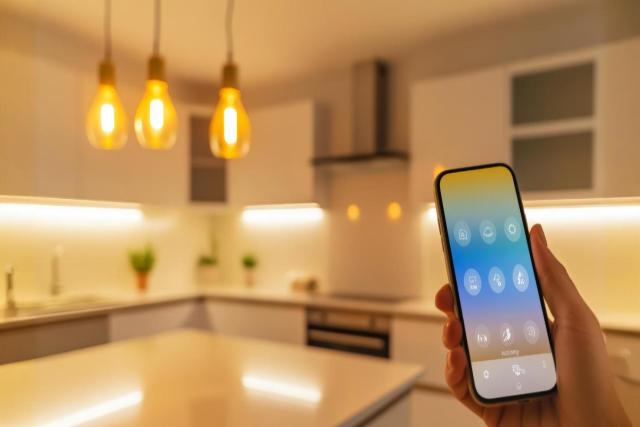

Protecting your rental property is more important than ever. With the rise of smart technology, landlords and property managers have access to a range of innovative devices that can help safeguard their investments, reduce risk, and improve the guest experience. Must have sensors for rentals are no longer a luxury—they are essential tools for anyone serious about property management.
From detecting smoke and water leaks to monitoring occupancy and air quality, these devices can prevent costly damage, ensure guest safety, and give you peace of mind. In this article, we’ll explore the most important types of sensors for rental properties, how they work, and why they matter for both short-term and long-term rentals.
For hosts looking to stay ahead, integrating the right smart devices can also boost your property’s appeal. If you’re interested in a deeper dive into smart upgrades, check out the vacation rental smart upgrades guide for more ideas on enhancing your rental’s value.
Why Smart Sensors Are Essential for Rental Properties
Rental properties face unique risks. Tenants and guests may not notice or report issues right away, and even a small problem can escalate quickly. Smart sensors act as your eyes and ears, providing real-time alerts and data so you can respond before minor issues become major headaches. These devices also help demonstrate your commitment to safety and maintenance, which can lead to better reviews and higher occupancy rates.
Some of the key benefits of installing must have sensors for rentals include:
- Early detection of hazards such as smoke, fire, water leaks, and gas leaks
- Prevention of property damage by alerting you to issues before they escalate
- Increased guest safety and peace of mind for both hosts and tenants
- Remote monitoring and control, even when you’re not on site
- Data-driven maintenance and compliance with insurance or local regulations
With so many options available, it’s important to choose the right mix of sensors for your specific property and rental type. Below, we break down the most critical categories and how they can help you protect your investment.
Top Categories of Must-Have Sensors for Rental Protection
Let’s explore the most valuable sensor types for rental properties, including their functions and where they fit best.
Smoke and Carbon Monoxide Detectors
Fire and carbon monoxide (CO) are among the most serious threats to any property. Modern smart smoke and CO detectors not only sound alarms locally but also send instant notifications to your phone or property management system. This allows for rapid response, even if the property is vacant or guests are away.
Many insurance policies and local laws require these detectors, but smart versions go further by offering self-testing, battery alerts, and integration with other smart home devices. For hosts managing multiple units, these features are invaluable for ensuring compliance and safety across the board.
Water Leak and Flood Sensors
Water damage is one of the most common and expensive issues facing landlords. Leaks from appliances, plumbing, or even guest accidents can cause thousands in repairs. Water leak sensors are small, wireless devices placed near potential trouble spots—under sinks, behind toilets, near water heaters, or in basements.
When moisture is detected, you receive an immediate alert, allowing you to act before damage spreads. Some advanced models can even shut off the water supply automatically, providing an extra layer of protection.

Motion, Entry, and Occupancy Sensors
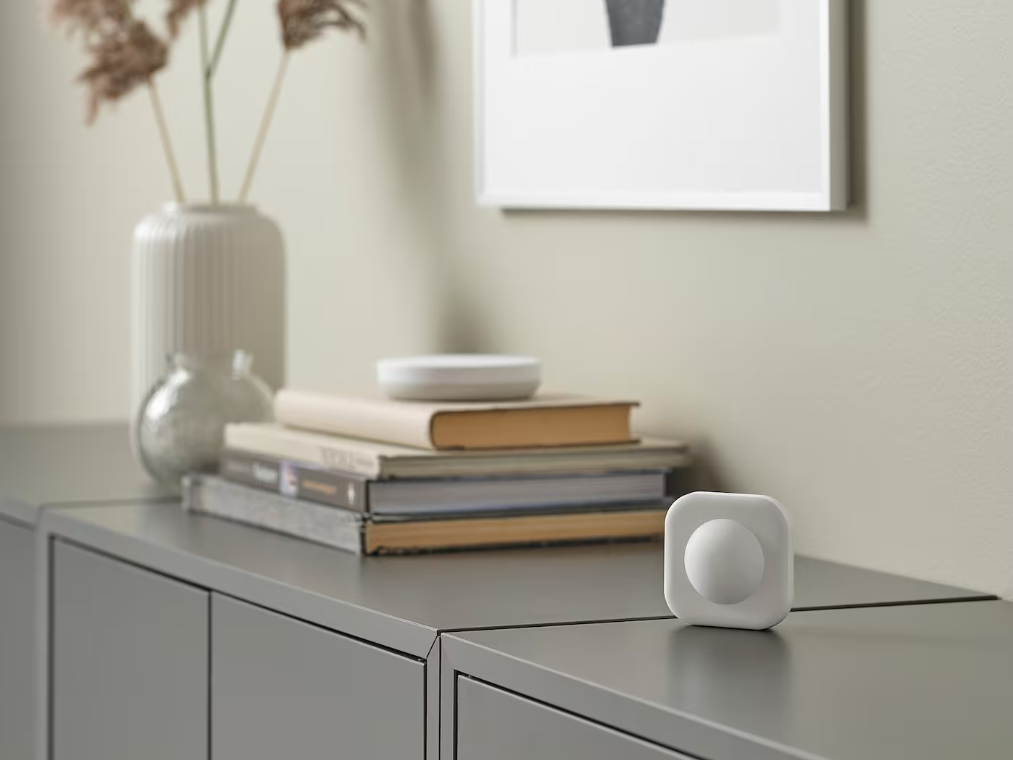
Monitoring who enters and exits your property is crucial for both security and compliance. Motion sensors and door/window entry sensors can alert you to unauthorized access or unexpected activity. Occupancy sensors, meanwhile, can help you verify guest numbers and ensure that house rules are being followed.
These devices are especially useful for short-term rentals, where parties or unregistered guests can lead to complaints or fines. By integrating these sensors with your property management system, you can automate alerts and even trigger cameras or alarms as needed.
Rodent and Pest Detection Devices
Unwanted pests can quickly damage your property and reputation. Smart rodent detectors use sensors to identify movement or droppings in attics, basements, or crawl spaces. Early detection allows you to address infestations before they become a major problem, protecting both your investment and your guests’ comfort.
Environmental and Air Quality Sensors
Monitoring temperature, humidity, and air quality is becoming increasingly important, especially in regions prone to mold or extreme weather. Environmental sensors can alert you to conditions that might lead to mold growth, frozen pipes, or discomfort for guests.
Some advanced models also detect volatile organic compounds (VOCs) and other pollutants, helping you maintain a healthy environment and comply with local health regulations.
Choosing the Right Sensors for Your Rental
With so many options on the market, selecting the best devices can feel overwhelming. Consider the following factors when deciding which sensors to install:
- Property type and location: A high-rise condo may need different sensors than a standalone house or a cabin in a flood-prone area.
- Rental duration: Short-term rentals often benefit from occupancy and entry sensors, while long-term rentals may prioritize leak and smoke detection.
- Integration: Look for sensors that work with your existing smart home platform or property management system for seamless control.
- Ease of installation and maintenance: Wireless, battery-powered devices are easier to install and maintain, especially for remote properties.
- Compliance: Ensure your selections meet local regulations and insurance requirements.
For a detailed breakdown of sensor types and how to match them to your property, visit this comprehensive guide to choosing sensors.
Maximizing ROI with Smart Sensor Investments
While there is an upfront cost to installing smart sensors, the long-term savings and benefits are significant. By preventing major damage, reducing insurance claims, and improving guest satisfaction, these devices can quickly pay for themselves. For a closer look at the financial benefits, see the smart sensor ROI rental property analysis, which breaks down potential savings and return on investment for landlords and hosts.
Additionally, properties equipped with smart technology often attract higher-quality tenants and can command premium rates. This makes sensor installation not just a protective measure, but a strategic upgrade for your rental business.
Integrating Sensors with Other Smart Devices
Many landlords are now building comprehensive smart home ecosystems that include not only sensors but also smart locks, thermostats, and cameras. When combined, these devices offer a seamless experience for both hosts and guests, streamlining check-ins, automating maintenance, and providing real-time data for better decision-making.
If you’re interested in building a complete smart rental strategy, you may want to explore the IoT smart rental strategy resource, which covers integration tips and future-proofing your property.
FAQ: Sensor Essentials for Rental Properties
What are the most important sensors every rental property should have?
The most critical devices include smoke and carbon monoxide detectors, water leak sensors, motion and entry sensors, and environmental monitors. These address the most common risks and help ensure guest safety and property protection.
How do smart sensors help with insurance claims?
Many insurance companies offer discounts for properties equipped with smart detection devices. In the event of a claim, sensor data can provide proof of maintenance and rapid response, potentially speeding up the process and reducing liability.
Can I install these sensors myself, or do I need a professional?
Many modern sensors are designed for easy DIY installation, especially wireless and battery-powered models. However, for hardwired devices or complex integrations, professional installation may be recommended to ensure compliance and optimal performance.
Do sensors invade guest privacy?
When installed and disclosed properly, most sensors (such as smoke, CO, and water leak detectors) do not invade privacy. Avoid placing cameras or audio sensors in private areas, and always inform guests about the presence and purpose of any monitoring devices.
Conclusion
Investing in must have sensors for rentals is a smart move for any property owner or manager. These devices not only protect your investment from costly damage but also enhance guest safety and satisfaction. By choosing the right mix of sensors and integrating them with your property management strategy, you can enjoy greater peace of mind and long-term savings.
For more inspiration on building a tech-enabled rental, explore the best smart devices for Airbnb hosts and discover which upgrades can set your property apart in a competitive market.