
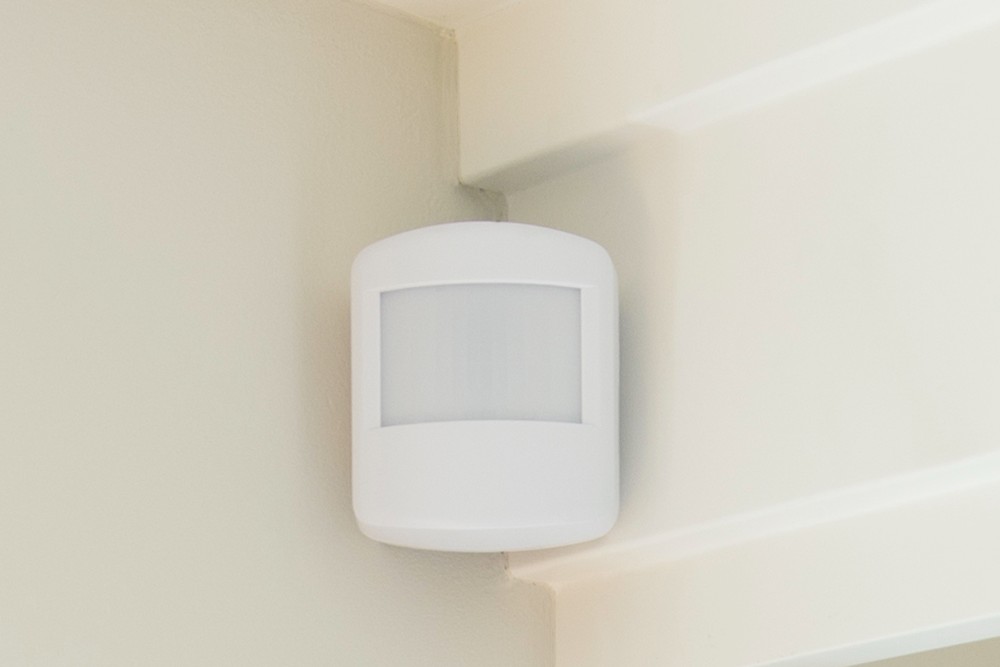

The landscape of rental properties is undergoing a rapid transformation as smart technology and the Internet of Things (IoT) become increasingly integrated into everyday living. By 2026, the convergence of these innovations is expected to redefine how landlords, property managers, and tenants interact with rental spaces. From automated security to energy management, the next wave of connected devices is making rentals more efficient, secure, and appealing to tech-savvy residents.
This article explores the emerging trends shaping the future of smart rentals iot, highlighting the most significant advancements and what they mean for property owners and renters alike. Whether you’re a landlord looking to upgrade your units or a tenant interested in the latest conveniences, understanding these developments will help you stay ahead in a competitive market.
For a deeper dive into optimizing your property with intelligent sensors, check out our guide on how to use smart sensors in rentals.
Key Drivers Behind the Rise of Connected Rentals
The adoption of IoT in rental properties is being propelled by several factors. First, renters are increasingly seeking convenience, safety, and energy efficiency. Smart locks, thermostats, and leak detectors are no longer luxury add-ons—they’re becoming expected features. Second, property owners are recognizing the value of automation for reducing operational costs and minimizing risks. Automated maintenance alerts, remote access control, and real-time monitoring help streamline management and improve tenant satisfaction.
Finally, regulatory changes and sustainability goals are influencing the shift toward smarter, greener buildings. As cities and governments push for energy efficiency and better resource management, IoT devices offer a practical way to meet these requirements while enhancing the rental experience.
Emerging Technologies Shaping the Future of Smart Rentals IoT
Several innovations are set to transform the rental sector by 2026. Here are some of the most impactful trends:
Advanced Sensor Networks for Safety and Efficiency
Smart sensors are at the heart of the IoT revolution in rentals. Motion detectors, smoke alarms, and environmental monitors are becoming more sophisticated, offering real-time data and predictive maintenance capabilities. These devices not only enhance safety but also help landlords address issues before they escalate, saving time and money.
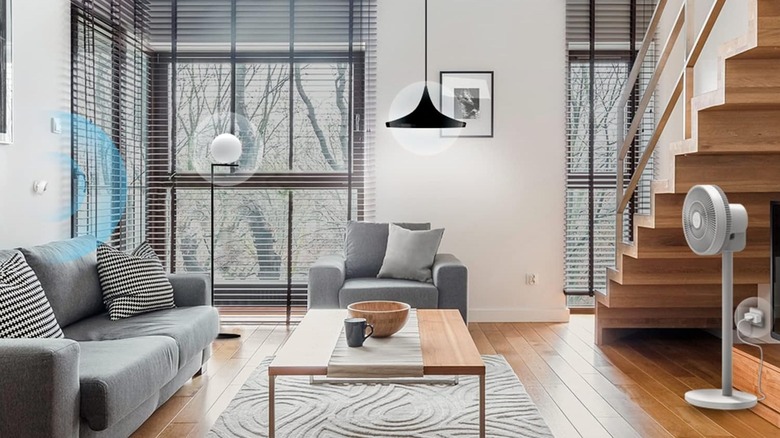
For example, modern smart home sensors can detect motion, temperature changes, and even air quality, sending instant alerts to both tenants and property managers. This proactive approach reduces emergency incidents and improves overall living standards.
Seamless Integration and Centralized Control
One of the biggest challenges in the early days of smart rentals was device fragmentation. Today, platforms are evolving to offer centralized dashboards where all IoT devices can be monitored and managed from a single interface. This not only simplifies operations for landlords but also gives tenants more control over their environment.
Voice assistants and mobile apps are increasingly being used to control lighting, climate, and security systems. By 2026, expect even tighter integration, with AI-driven platforms that learn user preferences and automate routines for maximum comfort and efficiency.
For a step-by-step approach to setting up these systems, our IoT setup for vacation rentals guide provides practical tips for both owners and managers.
Energy Management and Sustainability
As sustainability becomes a top priority, smart rentals are leveraging IoT to monitor and reduce energy consumption. Smart thermostats, occupancy sensors, and automated lighting systems help optimize usage based on real-time data. These solutions not only lower utility bills but also support environmental goals, making properties more attractive to eco-conscious renters.
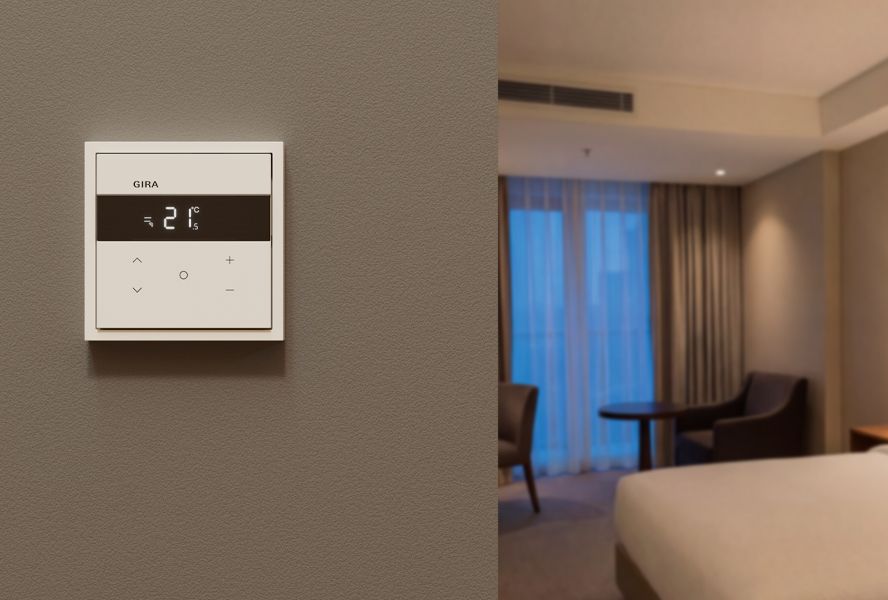
Smart climate sensors, for instance, can adjust heating and cooling based on occupancy and weather forecasts, ensuring optimal comfort while minimizing waste. These advancements are making it easier for property owners to comply with new regulations and attract tenants who value green living.
Security and Privacy in the Next Generation of Rentals
With the proliferation of connected devices, concerns about data security and privacy are also on the rise. By 2026, expect to see more robust encryption, user consent protocols, and transparent data practices. Property managers will need to balance convenience with the responsibility of protecting tenant information.
Tenants are increasingly aware of privacy issues, so clear communication about what data is collected and how it is used will be essential. Choosing reputable devices and platforms with strong security features will be a key differentiator for rental properties.
Automation and Remote Management for Landlords
Automation is transforming property management by enabling remote monitoring, instant notifications, and predictive maintenance. Landlords can now address issues such as leaks, unauthorized access, or HVAC malfunctions without being physically present. This not only reduces response times but also minimizes costs and improves tenant satisfaction.
For those interested in a comprehensive approach to automating rental operations, the smart rental automation guide covers everything from initial setup to ongoing management.
Tenant Experience and Customization
Personalization is becoming a central theme in the evolution of smart rentals. IoT-enabled properties allow tenants to customize lighting, temperature, and even appliance settings to suit their preferences. This level of control enhances comfort and can lead to longer tenancies and positive reviews.
Additionally, features like keyless entry, package delivery notifications, and smart intercoms are making daily life more convenient for residents. As these technologies become standard, properties that lag behind may struggle to attract and retain tenants.
Preparing for the Next Wave of Smart Rental Innovation
Staying ahead in the rental market means embracing new technologies and understanding how they impact both operations and tenant expectations. Here are a few steps property owners and managers can take to prepare:
- Evaluate current infrastructure and identify areas for IoT upgrades.
- Invest in platforms that support centralized device management and integration.
- Prioritize security and privacy by selecting trusted vendors and educating tenants.
- Monitor regulatory developments related to energy efficiency and data protection.
- Promote smart features in marketing materials to attract tech-forward renters.
For expert advice on installation and setup, see our rental property smart system installation tips.
FAQ
What are the main benefits of integrating IoT in rental properties?
IoT integration offers enhanced security, energy efficiency, and convenience for both landlords and tenants. Automated alerts, remote monitoring, and predictive maintenance help reduce costs and improve tenant satisfaction.
How can landlords ensure data privacy with smart devices?
Landlords should choose devices with strong encryption and transparent data policies, inform tenants about data collection, and regularly update device firmware to address security vulnerabilities.
Are smart rentals more attractive to tenants?
Yes, properties equipped with smart features such as keyless entry, automated climate control, and advanced security systems are increasingly preferred by renters, especially those who value technology and convenience.
Where can I learn more about smart home sensors for rentals?
For more information on the latest in smart home sensors, visit this comprehensive overview of smart home sensors.
Conclusion
The evolution of smart rentals and IoT is reshaping the rental industry, offering new opportunities for efficiency, sustainability, and tenant satisfaction. By staying informed about the latest trends and proactively adopting connected technologies, property owners and managers can ensure their rentals remain competitive and future-ready. For those seeking to maximize efficiency and safety, resources like the Airbnb smart home guide provide valuable insights into the best sensors and devices for modern rentals.