
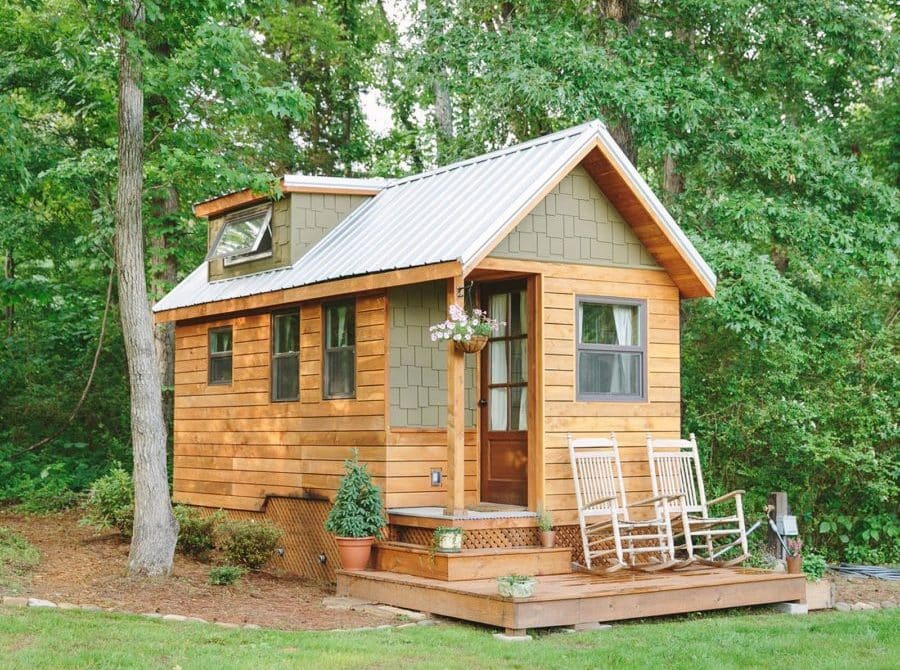

Short-term rental platforms have created new opportunities for property owners, but they also introduce a web of local rules that every host must navigate. Understanding land use law for Airbnb is essential for anyone considering listing their property. These regulations can affect whether you’re allowed to host, how often, and under what conditions. Failing to comply can result in fines, legal disputes, or even being forced to stop hosting altogether.
Before you open your doors to guests, it’s important to get familiar with the zoning codes, permit requirements, and neighborhood restrictions that may apply to your property. This guide will break down the basics of land use regulations, highlight common issues, and offer practical steps for hosts to stay compliant. For those managing multiple listings, integrating scalable rental sensor systems can also help streamline operations and improve compliance with local rules.
Why Local Land Use Rules Matter for Short-Term Rentals
Every city and county has its own approach to regulating short-term rentals. These rules are designed to balance the interests of homeowners, neighbors, and the wider community. Zoning laws, in particular, determine where residential, commercial, and mixed uses are allowed. If your property is in a zone that prohibits or restricts short-term rentals, you could face enforcement actions.
Some common ways local governments regulate Airbnb-style rentals include:
- Requiring hosts to obtain a special permit or business license
- Limiting the number of days a property can be rented each year
- Mandating that hosts live on-site during guest stays (primary residence rules)
- Imposing occupancy limits or parking requirements
- Prohibiting rentals in certain neighborhoods or building types
Understanding these local rules is the first step to operating a legal and successful short-term rental business.

Key Elements of Land Use Law That Affect Airbnb Hosts
When it comes to land use regulations for Airbnb, several core elements come into play. Here’s what hosts should pay close attention to:
Zoning Codes
Zoning determines what activities are allowed on your property. Some areas permit short-term rentals in residential zones, while others restrict them to commercial or mixed-use districts. Always check your local zoning map and code before listing your home.
Permitting and Licensing
Many municipalities require hosts to apply for a short-term rental permit or business license. This process may involve inspections, fees, and proof of insurance. Skipping this step can result in penalties or removal from rental platforms.
Homeowners’ Associations and Lease Agreements
If your property is part of a homeowners’ association (HOA) or governed by a lease, additional restrictions may apply. HOAs often have their own rules regarding rentals, and many leases prohibit subletting or short-term stays. Review these documents carefully to avoid conflicts.
Building and Safety Codes
Short-term rentals must comply with building, fire, and health codes. This can include requirements for smoke detectors, carbon monoxide alarms, emergency exits, and occupancy limits. Staying compliant protects both your guests and your business.
Common Challenges and How to Address Them
Hosts often encounter a few recurring issues when navigating land use law for Airbnb rentals:
- Ambiguous Regulations: Some cities have unclear or evolving rules. When in doubt, contact your local planning department for guidance.
- Neighbor Complaints: Noise, parking, and trash are common concerns. Proactively communicate with neighbors, set clear house rules, and consider installing property manager smart sensors to monitor activity.
- Permit Denials or Delays: If your application is denied, ask for specific reasons and see if modifications can bring your property into compliance.
- HOA or Lease Restrictions: If you’re part of an HOA or renting, always seek written approval before listing your property.
Staying proactive and informed is the best way to avoid costly mistakes.
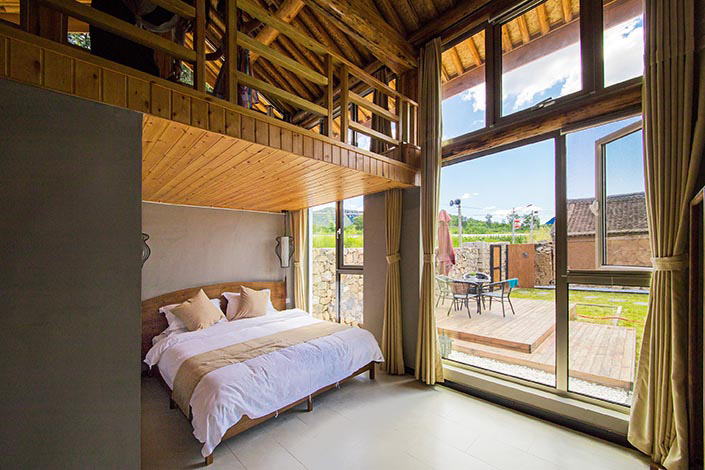
Best Practices for Airbnb Hosts Navigating Local Laws
To operate within the law and protect your investment, consider these best practices:
- Research Local Regulations: Start with your city or county’s official website. Look for sections on short-term rentals, zoning, and business licensing.
- Document Everything: Keep records of permits, licenses, inspections, and communications with local officials. This documentation can be invaluable if questions arise.
- Engage with Neighbors: Open communication can help prevent complaints and foster goodwill.
- Use Technology: Tools like Airbnb smart access control and monitoring systems can help you comply with occupancy and noise rules.
- Stay Updated: Laws change frequently. Subscribe to local government updates or join host associations to stay informed.
By following these steps, you’ll reduce your risk and create a better experience for guests and neighbors alike.
How Enforcement Works and What Happens If You Violate Rules
Local governments enforce short-term rental land use laws through a combination of complaints, inspections, and monitoring of online listings. If you’re found to be in violation, you could face:
- Fines or penalties
- Orders to cease operations
- Legal action from the city or neighbors
- Removal from rental platforms
Some cities conduct random inspections or use software to track online listings. Others rely on neighbor complaints. It’s always safer to comply from the start rather than risk enforcement actions.
For a deeper dive into how different cities approach these issues, the National Association of Realtors provides a useful overview of short-term rental restrictions across the U.S..
FAQ: Land Use and Short-Term Rentals
Do I need a permit to host on Airbnb in my city?
Most cities require some form of permit or license for short-term rentals. The specific requirements vary widely, so check your local government’s website or contact the planning department for details.
What happens if my HOA or lease prohibits short-term rentals?
If your HOA or lease agreement bans short-term rentals, hosting without permission can result in fines, legal action, or eviction. Always get written approval before listing a property governed by these rules.
How can I stay updated on changing land use laws?
Laws and regulations change frequently. Subscribe to city newsletters, join local host groups, and regularly review official updates to stay informed about new requirements or restrictions.
Understanding the legal landscape is crucial for anyone considering short-term rentals. By staying informed and proactive, hosts can avoid common pitfalls and operate successful, compliant businesses.