


Rising insurance costs are a growing concern for landlords and renters alike. As technology advances, property owners and tenants are turning to smart rental insurance sensors to help reduce premiums, prevent costly incidents, and improve safety. These connected devices monitor for risks like water leaks, smoke, motion, and unauthorized entry, providing real-time alerts that can stop problems before they escalate. Insurers increasingly reward proactive risk management with lower rates, making these sensors a practical investment for anyone managing or living in a rental property.
Understanding how these devices work, what types are available, and how they impact insurance can help you make informed decisions about protecting your property and saving money. This guide explores the benefits, setup considerations, and insurance implications of integrating smart technology into your rental space.
For those managing multiple units or seeking advanced automation, property manager smart sensors offer scalable solutions that integrate seamlessly with existing systems. Leveraging these tools can further streamline operations and enhance security across your portfolio.
How Connected Sensors Reduce Insurance Premiums
Insurance companies base their rates on risk. By installing smart rental insurance sensors, property owners and tenants demonstrate a commitment to mitigating hazards. These devices can detect water leaks, smoke, carbon monoxide, motion, and even pest activity, sending instant notifications to your phone or a monitoring service. Quick response to these alerts can prevent or minimize damage, leading to fewer claims and, over time, lower insurance costs.
Some insurers now offer discounts or preferred rates for properties equipped with certified smart sensors. By sharing proof of installation and ongoing monitoring, you may qualify for reduced premiums. This proactive approach is especially valuable for landlords who want to protect their investment and maintain affordable coverage.
Types of Smart Sensors for Rental Properties
There is a wide range of smart devices designed to address the most common risks in rental properties. Here are some of the most impactful options:
- Water Leak Detectors: Placed near appliances, sinks, or basements, these sensors alert you to leaks before they cause major water damage.
- Smoke and Carbon Monoxide Alarms: Connected detectors provide instant alerts to your phone, allowing for rapid response even when you’re offsite.
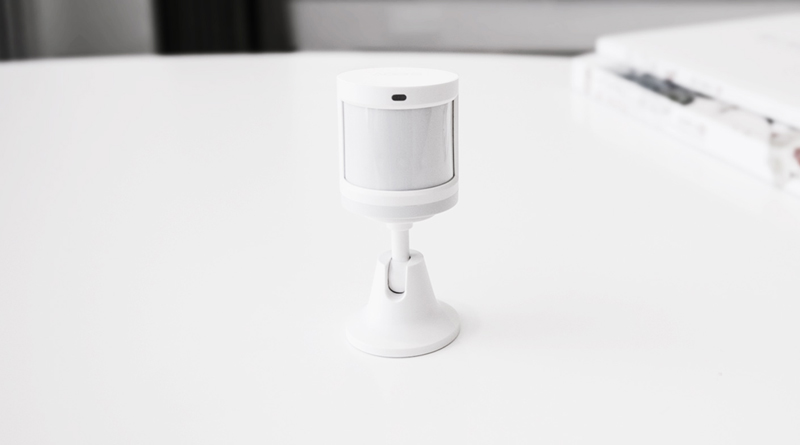
- Motion Sensors: Useful for security and monitoring unauthorized access, especially in shared or vacant units.
- Entry Sensors: Track when doors or windows are opened, helping prevent break-ins or unauthorized entry.
- Pest and Rodent Detectors: Specialized devices can identify the presence of rodents or insects, reducing the risk of infestations and related damage.
For a comprehensive selection of connected home sensors, you can explore options from reputable brands such as Aqara’s smart home sensor collection, which includes devices for water, smoke, motion, and more.
Key Benefits of Smart Technology for Renters and Landlords
Integrating smart rental insurance sensors delivers advantages that go beyond just saving on insurance. Here’s how both renters and property owners benefit:
- Early Detection: Sensors can identify issues like leaks or smoke before they become disasters, reducing repair costs and downtime.
- Remote Monitoring: Receive alerts and check sensor status from anywhere, giving peace of mind to absentee landlords and busy tenants.
- Improved Safety: Automated alerts help ensure that hazards are addressed quickly, protecting occupants and property.
- Insurance Savings: Demonstrating risk mitigation can lead to premium discounts and better coverage terms.
- Regulatory Compliance: Many local regulations now require certain safety devices. Smart sensors can help meet these requirements and provide digital records for inspections.
For those seeking to meet local safety standards, resources like smart safety compliance rentals offer guidance on integrating technology to satisfy municipal codes and insurance requirements.
Installation and Integration Considerations
Setting up smart sensors in a rental property is generally straightforward, but there are a few important factors to keep in mind:
- Wireless vs. Wired: Most modern sensors are wireless and battery-powered, making them easy to install without professional help or property modifications.
- Connectivity: Ensure your property has reliable Wi-Fi or a compatible hub to maintain sensor communication and remote alerts.
- Data Privacy: Choose reputable brands that prioritize data security, especially when devices are monitoring sensitive areas.
- Tenant Communication: If you’re a landlord, inform tenants about the presence and purpose of sensors. Transparency builds trust and helps ensure compliance with privacy laws.
- Integration: Many sensors can be linked with smart home platforms, allowing for automation such as shutting off water if a leak is detected or sending alerts to multiple parties.
For added security and convenience, consider integrating access control devices. Solutions like airbnb smart access control make it easy to manage permissions and monitor entry remotely, further reducing risk and liability.
Choosing the Right Devices for Your Needs
With so many options on the market, selecting the best smart sensors for your rental property depends on your unique risks and goals. Consider the following when making your decision:
- Property Type: Apartments, single-family homes, and multi-unit buildings may have different needs. For example, basements are more prone to water leaks, while upper floors may benefit from smoke and motion sensors.
- Insurance Requirements: Check with your insurer to see which devices qualify for discounts or are required for coverage.
- Budget: While some sensors are inexpensive, investing in a comprehensive system can maximize protection and savings over time.
- Ease of Use: Look for devices with user-friendly apps and clear notifications. Some systems offer professional monitoring for added peace of mind.
For secure entry management, explore solutions like rental property access sensors that help monitor and control who enters your property, further reducing risk and supporting insurance claims in the event of unauthorized access.
Maximizing Savings and Safety with Smart Sensors
To get the most out of your investment in smart rental insurance sensors, follow these best practices:
- Register your devices with your insurance provider and provide documentation of installation.
- Test sensors regularly and replace batteries as needed to ensure continuous protection.
- Integrate your devices with a central platform or app for streamlined monitoring and alerts.
- Stay informed about new technology and insurance programs that reward proactive risk management.
- Document incidents and sensor alerts to support insurance claims and demonstrate responsible property management.
For those managing short-term rentals, automated compliance monitoring can further reduce risk. Learn more about iot compliance monitoring airbnb to see how automated safety checks can streamline operations and support insurance requirements.
Frequently Asked Questions
Do smart sensors really lower rental insurance premiums?
Yes, many insurance providers offer discounts for properties equipped with certified smart sensors that monitor for risks like water leaks, smoke, and unauthorized entry. By reducing the likelihood and severity of claims, these devices can lead to lower premiums over time.
Are these devices difficult to install in rental properties?
Most modern smart sensors are wireless and battery-powered, making them easy to install without professional help or permanent changes to the property. Always check with your landlord before installing devices if you are a tenant.
What happens if a sensor detects an issue while I’m away?
Smart sensors send instant alerts to your phone or designated contacts, allowing you to respond quickly even if you’re not on site. Some systems can also trigger automated actions, like shutting off water or notifying emergency services, depending on the setup.
Can smart sensors help with regulatory compliance?
Yes, many local regulations require smoke detectors, carbon monoxide alarms, and other safety devices. Smart sensors can help you meet these requirements and provide digital records for inspections or insurance purposes.