

Property owners and managers are increasingly turning to smart home rental optimization to boost their rental income, streamline operations, and enhance guest experiences. By integrating intelligent devices and automation, short-term and long-term rental properties can stand out in a competitive market, reduce costs, and minimize risks. This guide explores the most effective strategies and technologies for optimizing rental properties with smart home solutions, focusing on practical steps and real-world benefits.
For those looking to further enhance operational efficiency, leveraging smart rental efficiency tools can provide even more control and insight into property management. These tools work hand-in-hand with automation and sensor technology to deliver a seamless experience for both hosts and guests.
Why Upgrade Rentals with Smart Technology?
Modern renters expect convenience, safety, and energy efficiency. By adopting smart devices, property owners can:
- Increase rental value by offering advanced amenities.
- Reduce operational costs through automation and remote management.
- Enhance guest satisfaction and security, leading to better reviews and repeat bookings.
- Minimize risks such as water leaks, fire, and unauthorized access.
Integrating technology also positions your property as forward-thinking, attracting tech-savvy tenants and travelers who are willing to pay a premium for comfort and security.
Essential Devices for Smart Home Rental Optimization
Choosing the right mix of devices is crucial for effective smart home rental optimization. Here are the most impactful categories:
- Smart locks for keyless entry and secure, trackable access.
- Thermostats and climate control systems to automate heating and cooling, saving energy and money.
- Leak, smoke, and carbon monoxide detectors for early warning and prevention.
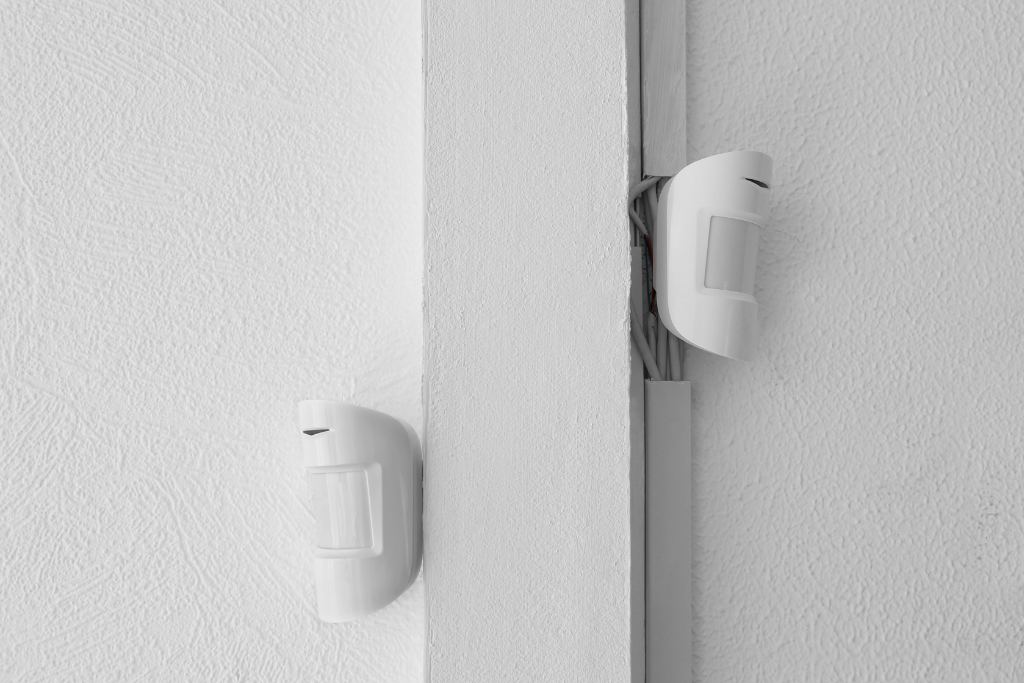
- Noise and occupancy sensors to monitor guest behavior and prevent unauthorized parties.
- Smart lighting for energy savings and enhanced ambiance.
For a deeper dive into the cost-saving potential of these devices, consider exploring cost saving smart sensors rentals to see how automation can directly impact your bottom line.
Automation Strategies for Higher Revenue
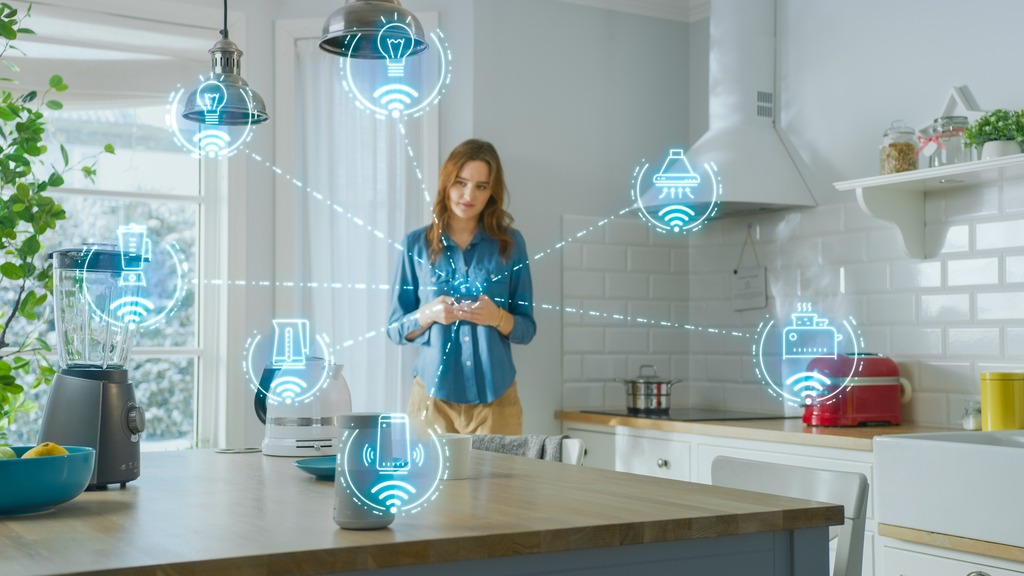
Automation is at the heart of maximizing returns from rental properties. Here’s how to implement it effectively:
- Automated check-in and check-out: Smart locks and digital codes eliminate the need for physical key exchanges, reducing labor and improving guest flexibility.
- Dynamic climate control: Smart thermostats can be programmed to adjust temperatures based on occupancy, weather, or guest preferences, cutting energy costs.
- Remote monitoring: Sensors and cameras allow property managers to oversee security and maintenance needs from anywhere.
- Scheduled lighting: Timers and motion sensors ensure lights are only on when needed, further reducing utility bills.
These strategies not only save money but also create a more attractive and convenient experience for guests, leading to higher ratings and occupancy rates.
Choosing the Right Sensors and Devices
Not all smart devices are created equal. When selecting products for your rental, consider:
- Compatibility with your existing systems and platforms.
- Ease of use for both guests and property managers.
- Reliability and support from manufacturers.
- Ability to integrate with dashboards or management software, such as smart rental dashboards hosts.
For a comprehensive overview of sensor options and their applications, review this guide to choosing sensors for smart homes. Selecting the right mix of devices ensures you get the best return on investment and avoid unnecessary complications.
Integrating Smart Home Data for Better Decisions
Collecting and analyzing data from smart devices can reveal valuable insights into property performance and guest behavior. By using platforms that aggregate sensor data, such as property performance sensors, owners can:
- Identify patterns in energy usage and occupancy.
- Spot maintenance issues before they become costly problems.
- Adjust pricing dynamically based on demand and seasonality.
- Optimize cleaning and turnover schedules for maximum efficiency.
Data-driven decision-making is a key advantage of modern rental management, allowing for continuous improvement and higher profitability.
Best Practices for Implementing Smart Solutions
To successfully upgrade your rental with smart technology, follow these best practices:
- Start with the essentials: focus on security, safety, and energy savings first.
- Educate guests with clear instructions and support for using smart devices.
- Regularly update firmware and software to maintain security and functionality.
- Monitor guest feedback and adjust your setup based on their experiences.
- Integrate with broader strategies, such as an iot smart rental strategy, to future-proof your property.
By following these guidelines, you can ensure a smooth transition to a smarter, more profitable rental business.
Frequently Asked Questions
What are the most important smart devices for rental properties?
The most impactful devices include smart locks for secure access, thermostats for energy management, leak and smoke detectors for safety, and occupancy sensors to monitor guest activity. These devices provide immediate benefits in security, cost savings, and guest satisfaction.
How can smart home technology help reduce rental property expenses?
Automation and remote monitoring allow property owners to minimize energy waste, detect maintenance issues early, and reduce the need for on-site staff. This leads to lower utility bills, fewer emergency repairs, and more efficient operations overall.
Is it difficult to install and manage smart devices in a rental?
Most modern smart home devices are designed for easy installation and user-friendly management. Many can be set up without professional help and managed remotely via apps or dashboards. Providing clear instructions for guests ensures a smooth experience for everyone.