

Modern rental property management is rapidly evolving, with technology playing a central role in improving efficiency, safety, and guest satisfaction. Property performance sensors are at the heart of this transformation, offering real-time data and automation that help landlords, hosts, and property managers optimize operations and protect their investments. From monitoring occupancy and detecting hazards to automating maintenance, these smart devices are changing how rentals are managed.
Integrating sensor technology not only streamlines day-to-day operations but also enhances the overall experience for both property owners and tenants. By leveraging data-driven insights, managers can make informed decisions, reduce costs, and address issues proactively. For those interested in a deeper dive into related technologies, smart occupancy analytics rentals provide additional context on how analytics can further improve guest understanding and property utilization.
Understanding the Role of Property Performance Sensors
At their core, property performance sensors are devices designed to monitor, record, and sometimes act on various aspects of a rental property’s environment. These can include motion detectors, temperature and humidity sensors, leak detectors, smoke and carbon monoxide alarms, and even smart rodent detectors. By collecting and transmitting data, these sensors enable property managers to:
- Detect issues early, such as water leaks or unauthorized access
- Automate routine tasks, like adjusting lighting or HVAC based on occupancy
- Enhance safety and compliance with local regulations
- Reduce energy consumption and operational costs
- Improve guest comfort and satisfaction
For example, integrating airbnb safety tech sensors can help ensure that your rental meets safety standards and provides peace of mind for both hosts and guests.
Types of Sensors Used in Rental Properties
There is a wide range of sensor technologies available for rental properties, each serving a specific purpose. Here are some of the most common types:
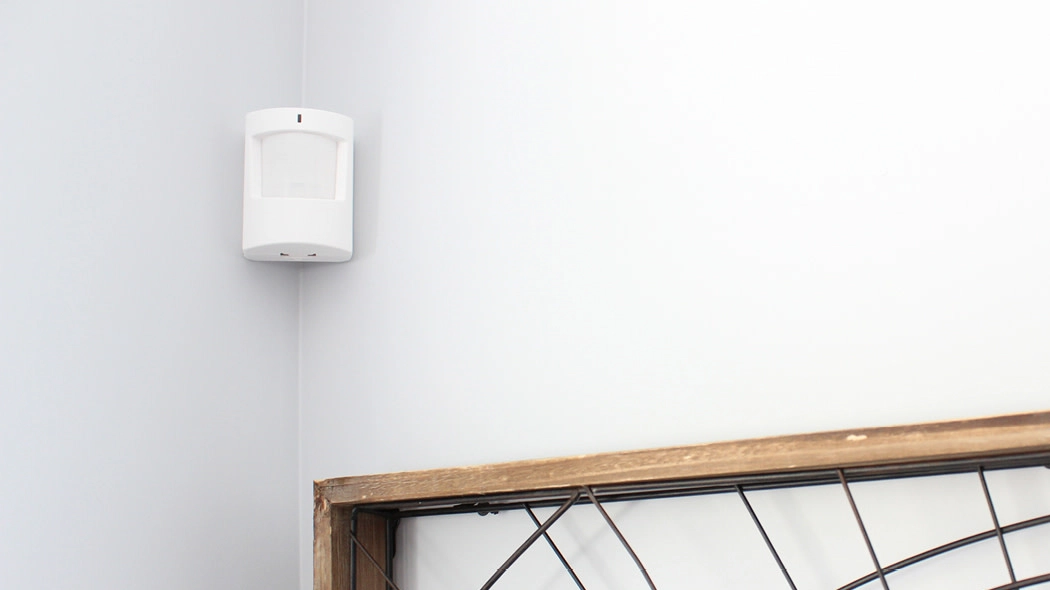
- Motion Detectors: Monitor movement in and around the property to enhance security and automate lighting.
- Environmental Sensors: Track temperature, humidity, and air quality to maintain optimal living conditions and prevent issues like mold growth.
- Leak and Flood Sensors: Detect water leaks early to prevent costly damage and downtime.
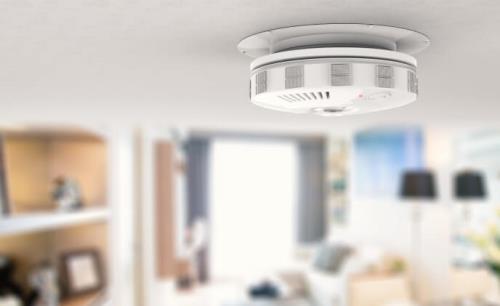
- Smoke and CO Detectors: Alert managers and tenants to fire or carbon monoxide risks, ensuring compliance and safety.
- Rodent and Pest Sensors: Identify unwanted pests before they become a serious problem.
- Occupancy Sensors: Provide data on guest presence for energy savings and improved guest management.
Combining these devices with smart rental dashboards hosts allows for unified control and monitoring, making it easier to manage multiple properties from a single interface.
Benefits of Integrating Smart Sensors in Rentals
Adopting property performance sensors offers a range of tangible benefits for rental property owners and managers:
- Proactive Maintenance: Early detection of leaks, temperature anomalies, or pest activity helps prevent costly repairs and extends the life of property assets.
- Enhanced Security: Motion and entry sensors deter unauthorized access and provide real-time alerts, reducing the risk of theft or vandalism.
- Energy Efficiency: Sensors that monitor occupancy and environmental conditions can automate lighting, heating, and cooling, leading to significant energy savings.
- Improved Guest Experience: Automated systems create a seamless and comfortable environment, which can lead to better reviews and repeat bookings.
- Regulatory Compliance: Automated safety alerts help ensure that properties meet local fire and health codes, reducing liability.
For those looking to further enhance their security protocols, integrating smart guest verification sensors can add another layer of protection to the booking process.
How to Choose the Right Sensors for Your Property
Selecting the most suitable sensors depends on several factors, including property type, location, and the specific needs of your rental business. Here are some key considerations:
- Property Size and Layout: Larger properties may require more sensors to ensure full coverage, while smaller units can often be managed with fewer devices.
- Guest Turnover: High-turnover properties benefit from automated check-in/out sensors and occupancy monitoring to streamline operations.
- Local Climate: Properties in humid or flood-prone areas should prioritize leak and humidity sensors.
- Security Needs: Urban rentals may need advanced motion and entry sensors, while rural properties might focus on pest detection.
- Integration Capabilities: Choose sensors that can be integrated with existing property management platforms or dashboards for centralized control.
For an in-depth look at how technology can help prevent fraud and unauthorized activity, consider exploring rental fraud detection sensors for additional protection.
Best Practices for Implementing Sensor Technology
To maximize the value of property performance sensors, consider the following best practices:
- Plan Sensor Placement: Map out critical areas such as entry points, kitchens, bathrooms, and basements to ensure comprehensive coverage.
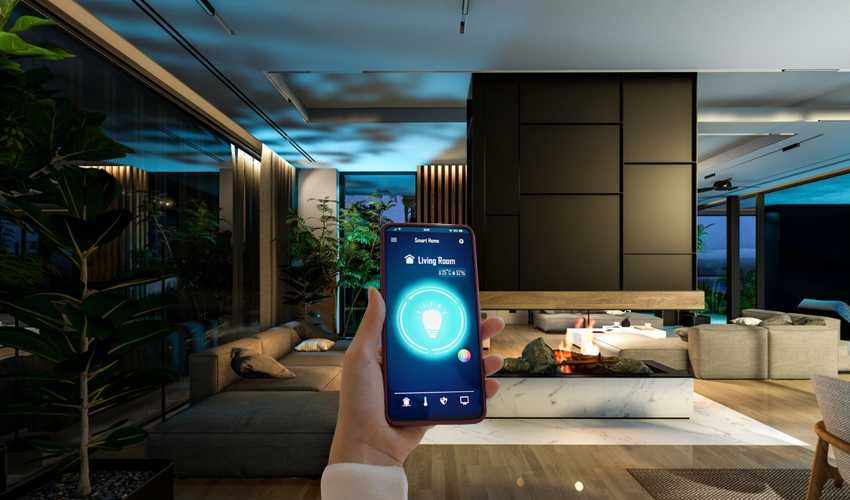
- Integrate with Management Systems: Use platforms that allow you to monitor and control sensors remotely, ideally from a unified dashboard.
- Regularly Test and Maintain Devices: Schedule routine checks to ensure all sensors are functioning correctly and replace batteries as needed.
- Educate Tenants and Staff: Provide clear instructions on sensor use and response protocols in case of alerts.
- Respect Privacy: Clearly communicate the purpose and placement of sensors to guests, focusing on safety and maintenance rather than surveillance.
For more technical details on integrating automation and sensor systems, you can refer to this comprehensive guide to smart property automation.
Future Trends in Rental Property Monitoring
As technology advances, the capabilities of property monitoring devices continue to expand. Artificial intelligence and machine learning are being integrated to provide predictive maintenance and more accurate anomaly detection. Wireless and battery-powered sensors are making installation easier and less invasive, while cloud-based platforms allow for real-time monitoring from anywhere in the world.
Additionally, the rise of the Internet of Things (IoT) is enabling seamless communication between devices, further automating property management tasks. These trends point to a future where rental management is not only more efficient but also more responsive to both owner and tenant needs.
FAQ
What are the main advantages of using property monitoring devices in rentals?
They provide real-time alerts for issues like leaks, smoke, or unauthorized entry, enable proactive maintenance, improve guest safety, and help reduce energy costs through automation.
Are these sensors difficult to install and maintain?
Most modern devices are designed for easy installation, often wireless and battery-powered. Regular maintenance usually involves checking batteries and ensuring devices remain connected to the management platform.
How can I ensure guest privacy when using monitoring devices?
Focus on installing sensors in common or utility areas (not bedrooms or bathrooms), clearly communicate their purpose, and use them strictly for safety, maintenance, and compliance—not for surveillance.