
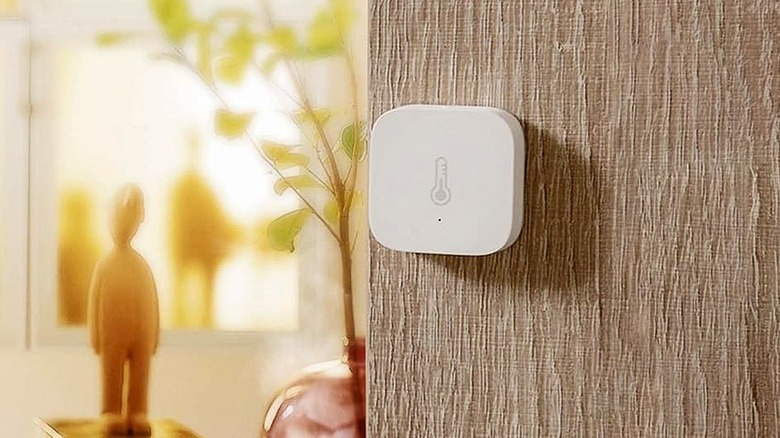

Property owners and managers face increasing challenges in safeguarding rental units against fraud, unauthorized activity, and costly damages. As short-term rentals and remote management become more common, the need for advanced monitoring solutions grows. Rental fraud detection sensors are at the forefront of this technological shift, offering real-time alerts and actionable insights to help you maintain control and security over your assets.
These smart devices go beyond traditional security systems by providing continuous, automated monitoring for suspicious behavior, environmental hazards, and unauthorized access. Whether you manage a single apartment or a portfolio of vacation homes, integrating intelligent sensors can help you detect issues early, prevent losses, and build trust with tenants.
For those seeking to centralize their monitoring and automate notifications, platforms like the rental automation sensor platform can streamline device integration and alert management. This approach ensures you stay informed about potential risks without needing to be physically present at your properties.
How Smart Sensors Help Prevent Rental Fraud
Modern rental fraud detection sensors use a combination of motion detection, environmental monitoring, and access tracking to identify unusual activity. By leveraging these technologies, property managers can:
- Detect unauthorized entry or tampering with doors and windows
- Monitor occupancy levels to spot illegal subletting or parties
- Receive alerts for environmental hazards like smoke, water leaks, or temperature anomalies
- Track patterns that may indicate fraudulent activity, such as repeated failed access attempts
These devices work seamlessly with smart home ecosystems, enabling automated responses and remote management. For a deeper dive into how sensors support automation, see this guide on smart sensors and home automation.
Key Types of Sensors for Rental Security
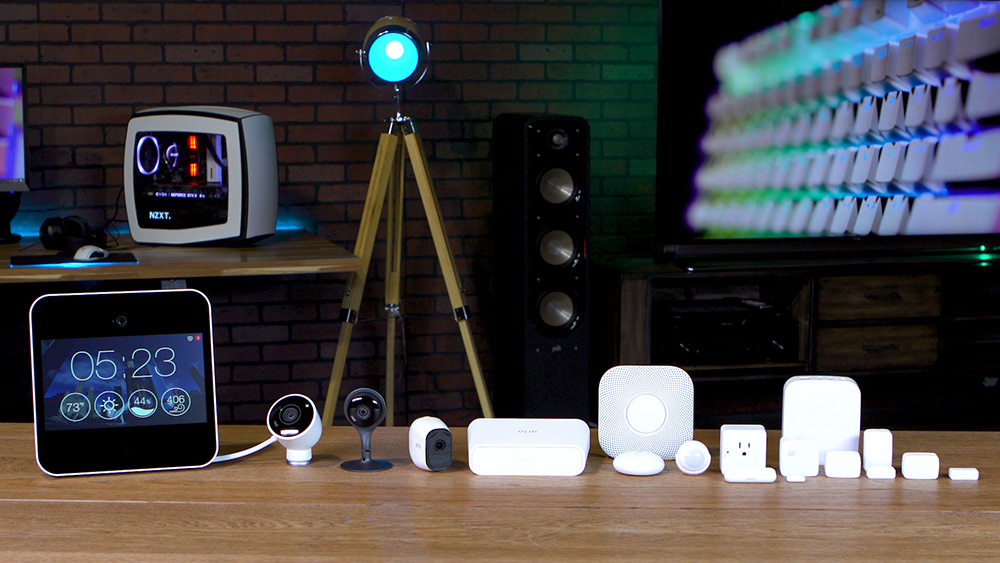
Choosing the right mix of sensors is essential for comprehensive protection. Here are some of the most effective types used in rental properties:
- Motion Sensors: Detect movement in restricted areas or during unusual hours.
- Door and Window Sensors: Alert you when entry points are opened unexpectedly.
- Occupancy Sensors: Monitor the number of people in a space, helping identify overcrowding or unauthorized guests.
- Environmental Sensors: Detect smoke, carbon monoxide, water leaks, and temperature changes.
- Noise Sensors: Measure sound levels to catch parties or disturbances before they escalate.
Integrating these devices with a smart home rental ecosystem can further enhance automation and streamline property management tasks.
Benefits of Implementing Fraud Detection Technology
Deploying fraud detection sensors for rentals offers several advantages for property owners and managers:
- Early Warning: Receive instant notifications about suspicious activity, reducing response times and potential losses.
- Remote Oversight: Monitor properties from anywhere, ideal for hosts who manage units in different locations.
- Tenant Trust: Demonstrate a commitment to safety, which can improve tenant satisfaction and retention.
- Insurance Benefits: Some insurers offer discounts for properties equipped with advanced monitoring devices.
- Evidence Collection: Sensors can provide data logs that support investigations or insurance claims.
Combining these devices with a smart sensor app for property managers allows for centralized tracking and easier management of multiple assets.
Integrating Sensors with Real-Time Alert Systems
For maximum effectiveness, sensors should be connected to systems that deliver real-time alerts. This integration ensures that property managers can act quickly, whether it’s contacting authorities, dispatching maintenance, or reaching out to tenants. Solutions like real time alerts for Airbnb hosts help hosts stay ahead of potential issues and minimize downtime or damage.
Many platforms offer customizable notification settings, allowing users to choose how and when they receive alerts—via SMS, email, or dedicated mobile apps. This flexibility is crucial for adapting to different property types and management styles.

Best Practices for Deploying Rental Security Sensors
To maximize the effectiveness of your monitoring setup, consider these best practices:
- Strategic Placement: Install sensors at entry points, common areas, and locations prone to tampering or environmental hazards.
- Regular Testing: Check devices periodically to ensure they are functioning and connected to your network.
- Data Privacy: Inform tenants about the presence and purpose of sensors, and comply with local privacy laws.
- Integration: Use platforms or apps that centralize alerts and device management for easier oversight.
- Continuous Updates: Keep firmware and software up to date to protect against vulnerabilities.
Combining these steps with a rental fraud detection sensor strategy helps create a safer, more transparent environment for both managers and renters.
Frequently Asked Questions
What types of fraud can rental security sensors detect?
These devices can identify unauthorized entry, illegal subletting, tampering with locks or windows, environmental hazards, and unusual occupancy patterns. By monitoring for these activities, property managers can respond proactively to prevent losses.
Are these sensors difficult to install and maintain?
Most modern sensors are designed for easy installation, often using wireless connections and adhesive mounts. Maintenance typically involves checking batteries, ensuring connectivity, and updating software as needed.
How do I choose the right sensors for my rental property?
Consider your property’s layout, risk factors, and management style. Focus on entry points, common areas, and spaces vulnerable to environmental hazards. Combining motion, entry, and environmental sensors provides comprehensive coverage.
Conclusion
Adopting rental fraud detection sensors is a practical step toward safeguarding your property and providing peace of mind for both owners and tenants. By leveraging smart technology, you can detect threats early, automate responses, and streamline property management. As the rental market evolves, integrating these solutions will become increasingly essential for staying competitive and secure.