
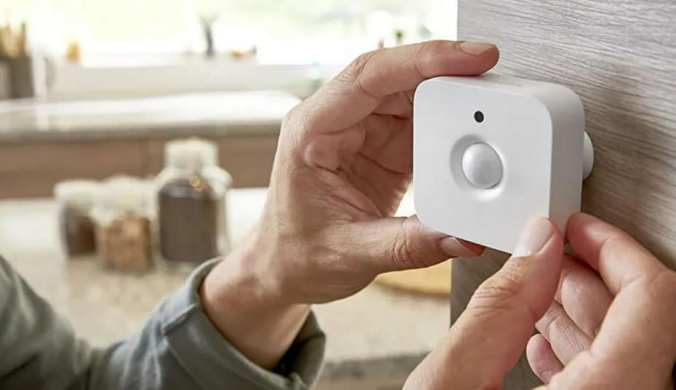

Managing noise levels is a crucial part of maintaining harmony in shared living environments, especially for property owners, hosts, and managers of short-term rentals. Noise complaint prevention sensors offer a proactive solution to help avoid disputes, protect property value, and foster positive relationships with neighbors and guests. These smart devices monitor sound levels in real time, alerting you before noise becomes a problem. By integrating this technology, you can address issues quickly and ensure your property remains a welcome part of the community.
With the rise of smart home technology, property managers are increasingly turning to solutions like noise complaint prevention sensors to automate monitoring and reduce the risk of neighbor complaints. These sensors are part of a broader ecosystem of smart devices that can enhance security, convenience, and compliance for rental properties. If you’re interested in a comprehensive approach, consider exploring smart home rental ecosystem options that centralize device management for hosts.
How Sound Monitoring Devices Work
Modern sound monitoring solutions use advanced microphones and digital processing to measure decibel levels within a space. These devices do not record conversations, ensuring privacy while still providing accurate noise level readings. When the sound exceeds a preset threshold, the sensor sends an alert—often via a mobile app or email—so you can take action before a complaint is filed.
Some noise complaint prevention sensors integrate seamlessly with other smart home systems, allowing for centralized control and real-time notifications. For example, pairing them with a smart alerts mobile app for rentals ensures you receive instant updates wherever you are.
Benefits of Using Noise Complaint Prevention Devices
Adopting these sensors offers several advantages for property owners and managers:
- Early Intervention: Receive alerts before noise escalates, allowing you to contact guests and resolve issues quickly.
- Protect Relationships: Prevent neighbor complaints and maintain a positive reputation in the community.
- Compliance: Stay within local noise ordinances and avoid fines or legal issues.
- Guest Experience: Set clear expectations for guests, helping them enjoy their stay without unintentionally disturbing others.
- Property Value: Reduce the risk of disputes that could impact your property’s desirability or rental income.
Integrating these devices with other smart solutions, such as smart guest verification sensors, can further enhance security and compliance for your rental property.
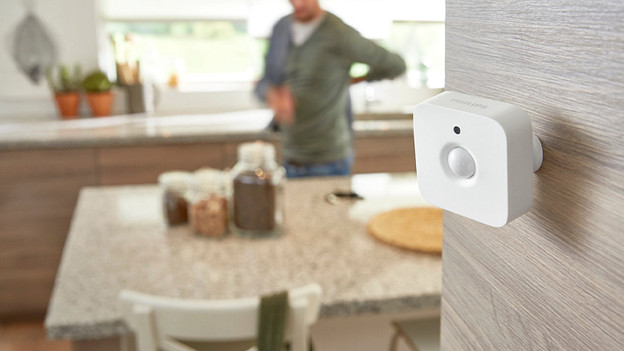
Choosing the Right Sensor for Your Property
When selecting a noise monitoring device, consider the following factors:
- Accuracy: Look for sensors with reliable decibel measurement and minimal false positives.
- Privacy: Ensure the device does not record audio but only measures sound levels.
- Integration: Choose products that work with your existing smart home systems or property management software.
- Notification Options: Opt for sensors that offer customizable alerts via SMS, email, or app notifications.
- Installation: Some devices are plug-and-play, while others may require professional installation. Assess what works best for your needs.
For those managing multiple properties, a centralized platform like a rental automation sensor platform can streamline monitoring and make it easier to respond to potential issues across locations.
Integrating Noise Sensors with Other Smart Devices
Combining sound monitoring with other smart home technology can create a more robust and automated property management system. For example, integrating with advanced smart home sensors allows you to monitor not just noise, but also occupancy, temperature, and air quality. This holistic approach can help you maintain a safe, comfortable, and compliant rental environment.
Smart sensors can also be linked with guest verification systems, smoke detectors, and rodent detection devices, providing a comprehensive safety net for your property. This integration reduces manual oversight and ensures you are always informed about the status of your rental, even when you are off-site.

Best Practices for Implementing Sound Monitoring
To get the most from your noise complaint prevention sensors, follow these best practices:
- Inform Guests: Clearly communicate the presence of noise monitoring devices in your property listing and during check-in. Transparency builds trust and encourages responsible behavior.
- Set Reasonable Thresholds: Adjust decibel limits to account for normal living sounds while still catching excessive noise.
- Respond Promptly: When alerted, contact guests in a friendly and non-confrontational manner to address the issue.
- Maintain Privacy: Reassure guests that devices do not record conversations, only sound levels, to comply with privacy laws and expectations.
- Regular Maintenance: Test sensors periodically to ensure they are functioning correctly and update software as needed.
Combining these practices with other smart solutions, such as rental fraud detection sensors, can further enhance the safety and reliability of your rental business.
Common Challenges and Solutions
While noise monitoring technology is highly effective, some challenges may arise:
- False Alarms: Sudden, short bursts of noise (like a dropped object) may trigger alerts. Fine-tune thresholds and alert settings to minimize unnecessary notifications.
- Guest Concerns: Some guests may feel uneasy about monitoring. Address concerns upfront and provide clear information about how the devices work and what data is collected.
- Integration Issues: Not all sensors are compatible with every smart home platform. Research compatibility before purchasing and consider professional installation if needed.
By proactively addressing these challenges, you can maximize the benefits of your sound monitoring system and maintain positive relationships with both guests and neighbors.
FAQ
Are noise monitoring devices legal in rental properties?
Yes, as long as the devices do not record audio and are disclosed to guests, they are legal in most jurisdictions. Always check local regulations and inform guests about their presence to ensure compliance.
Do these sensors invade guest privacy?
No, reputable noise monitoring devices only measure decibel levels and do not record conversations or personal information. This approach balances privacy with the need to prevent disturbances.
How can I integrate noise sensors with other smart devices?
Many modern sound monitoring products offer integration with property management systems and smart home platforms. Look for devices that support open APIs or are compatible with your existing ecosystem for seamless automation and centralized control.