

Managing short-term rentals from a distance has become a necessity for many hosts. With the rise of digital platforms and guest expectations for seamless stays, remote monitoring for Airbnb properties is now a cornerstone of efficient property management. Leveraging smart technology, hosts can oversee security, maintenance, and guest comfort without being physically present, ensuring both peace of mind and operational efficiency.
From smart sensors to automated alerts, today’s solutions enable hosts to detect issues early, respond quickly, and maintain high standards for their guests. This guide explores the essential tools, benefits, and best practices for implementing remote oversight in your rental business.
For hosts managing multiple rentals, integrating scalable rental sensor systems can streamline operations and provide consistent oversight across all properties.
Why Remote Oversight Matters for Short-Term Rentals
Short-term rental hosts face unique challenges: unpredictable guest behavior, maintenance emergencies, and the risk of property damage. By adopting remote monitoring for Airbnb properties, hosts can:
- Enhance security: Monitor for unauthorized entry or suspicious activity in real time.
- Protect property: Detect leaks, smoke, or environmental hazards before they escalate.
- Improve guest experience: Address issues proactively, minimizing disruptions during stays.
- Save time and costs: Reduce the need for frequent site visits and emergency repairs.
Remote systems are particularly valuable for hosts who live far from their rentals or manage several listings simultaneously. With the right setup, you can respond to incidents quickly and maintain your property’s reputation for safety and reliability.
Key Technologies for Remote Monitoring
Modern remote management relies on a suite of smart devices and cloud-based platforms. Here are the most impactful technologies for overseeing your rental from afar:
Smart Sensors and Detectors
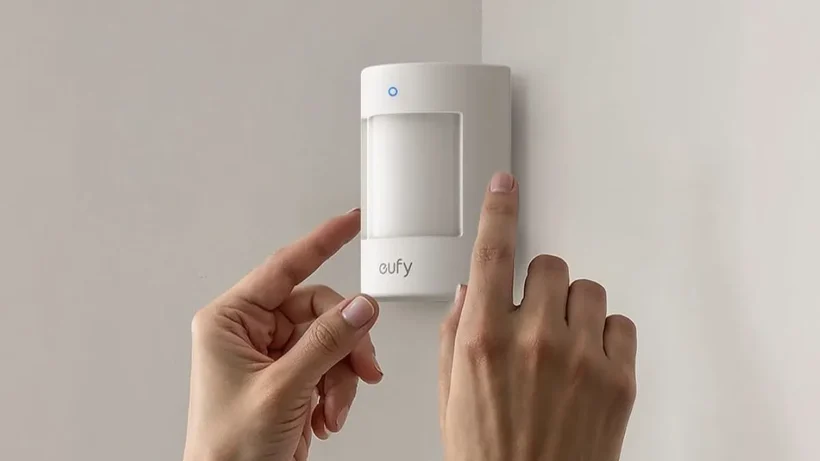
Smart sensors are the backbone of remote property oversight. They monitor environmental conditions, detect motion, and alert you to potential problems instantly. Popular options include:
- Motion and occupancy sensors: Track movement to ensure only authorized guests are present.
- Smoke and carbon monoxide detectors: Send instant alerts if smoke or gas is detected, allowing for rapid response.
- Water leak sensors: Identify leaks early to prevent costly water damage.
- Noise monitors: Help enforce house rules and prevent parties or disturbances.
Choosing the right mix of sensors depends on your property’s layout and risk profile. For a detailed comparison, see this guide to selecting smart sensors for rentals.
Remote Access and Entry Management
Controlling who enters your property is crucial for both security and guest convenience. Smart locks and access control systems let you grant or revoke entry permissions remotely. These systems can:
- Generate unique codes for each guest, reducing the risk of unauthorized access.
- Track entry and exit times for better oversight.
- Integrate with booking platforms for seamless check-ins and check-outs.
To learn more about implementing these solutions, explore our resource on Airbnb smart access control for remote permission management.
Environmental and Maintenance Monitoring
Beyond security, environmental sensors help maintain a comfortable and safe environment for guests. Devices can monitor:
- Temperature and humidity to prevent mold or discomfort.
- Air quality for guest health and satisfaction.
- Rodent activity, with smart detectors that alert you to infestations before they become a problem.
Integrating these tools with your property management system ensures you’re always informed and able to act quickly, no matter where you are.

Integrating Remote Monitoring with Your Management Workflow
For hosts juggling multiple listings, integrating monitoring tools with your existing management workflow is essential. Many platforms now offer APIs or direct integrations with property management software, allowing you to:
- Receive instant alerts via mobile or email.
- Automate maintenance requests when issues are detected.
- Maintain digital logs for compliance and insurance purposes.
Solutions like property manager smart sensors are designed to scale with your portfolio, making it easier to maintain standards as your business grows.
Best Practices for Implementing Remote Monitoring
To maximize the benefits of remote oversight, consider these best practices:
- Choose reliable devices: Invest in reputable brands with proven track records for accuracy and durability.
- Ensure connectivity: Use Wi-Fi or cellular-enabled devices to maintain communication even if one network fails.
- Respect guest privacy: Clearly communicate to guests what is being monitored and why. Avoid placing cameras or microphones in private areas.
- Test systems regularly: Schedule routine checks to ensure all devices are functioning correctly and receiving updates.
- Integrate with alert systems: Use a smart alert system for hosts to centralize notifications and streamline your response process.
Benefits of Remote Monitoring for Airbnb Hosts
Adopting remote oversight brings several advantages:
- Peace of mind: Know your property is protected around the clock, even when you’re miles away.
- Faster response times: Address issues before they affect guests or cause damage.
- Higher guest satisfaction: Proactive management leads to better reviews and repeat bookings.
- Cost savings: Preventative maintenance and early detection reduce expensive repairs and insurance claims.
With the right setup, even small-scale hosts can achieve the same level of oversight as professional property managers, ensuring their rentals remain competitive and secure.
Frequently Asked Questions
What types of sensors are most important for remote property management?
Key sensors include motion detectors, smoke and carbon monoxide alarms, water leak sensors, and noise monitors. These devices help you detect emergencies, enforce house rules, and maintain a safe environment for guests.
How can I ensure guest privacy while using monitoring devices?
Only install cameras and microphones in exterior or common areas, never in bedrooms or bathrooms. Always disclose the presence and purpose of monitoring devices in your listing and guest communications.
Is remote monitoring expensive to set up?
The cost varies depending on the number and type of devices you choose. Basic setups can be affordable, while more advanced systems with integration and automation features may require a higher initial investment. However, the long-term savings from reduced damage and improved guest satisfaction often outweigh the upfront costs.
Can I automate maintenance tasks with remote monitoring?
Yes, many modern systems can trigger maintenance requests or alerts automatically when an issue is detected, helping you resolve problems quickly and efficiently.
Conclusion
Modern technology has made it easier than ever for hosts to oversee their rentals from anywhere. By implementing remote monitoring for Airbnb properties through smart sensors, access control, and integrated alert systems, you can protect your investment, enhance guest experiences, and operate more efficiently. As the short-term rental market evolves, staying ahead with reliable remote oversight will help you maintain a competitive edge and ensure long-term success.