
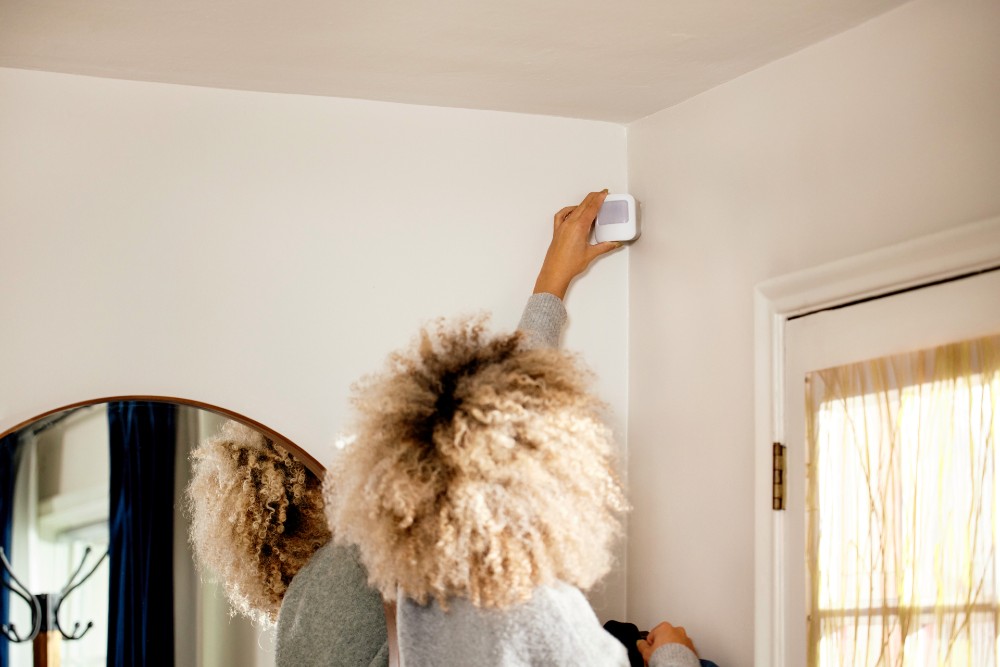

Managing short-term rental properties comes with unique challenges, especially when it comes to maintaining a peaceful environment for both guests and neighbors. Noise monitoring for Airbnb and similar platforms has become an essential tool for hosts and property managers who want to prevent disturbances, protect their reputation, and comply with local regulations. This article explores how modern noise sensors work, why they’re important, and how to implement them effectively in your rental properties.
As the short-term rental industry grows, so does the scrutiny from neighbors, building associations, and municipalities. Excessive noise is one of the most common complaints, and it can quickly lead to negative reviews, fines, or even removal from listing platforms. By proactively monitoring sound levels, hosts can address issues before they escalate, ensuring a smooth experience for everyone involved.
For those managing multiple properties or scaling their operations, investing in scalable rental sensor systems can streamline monitoring and provide centralized control over all units. These solutions are designed to grow with your portfolio, making it easier to maintain standards across various locations.
Why Sound Monitoring Matters in Short-Term Rentals
Noise complaints can have significant consequences for short-term rental operators. Not only do they risk damaging relationships with neighbors, but they can also result in penalties from local authorities or removal from booking platforms. Implementing noise monitoring for Airbnb properties helps hosts:
- Detect and address excessive sound levels in real time
- Prevent unauthorized parties or gatherings
- Protect property and community reputation
- Comply with local ordinances and HOA rules
- Reduce the risk of negative reviews and lost revenue
By using smart sensors, hosts can receive instant alerts when noise exceeds a set threshold, allowing them to intervene quickly and diplomatically. This proactive approach demonstrates responsibility and care for both guests and the surrounding community.
How Modern Noise Sensors Work
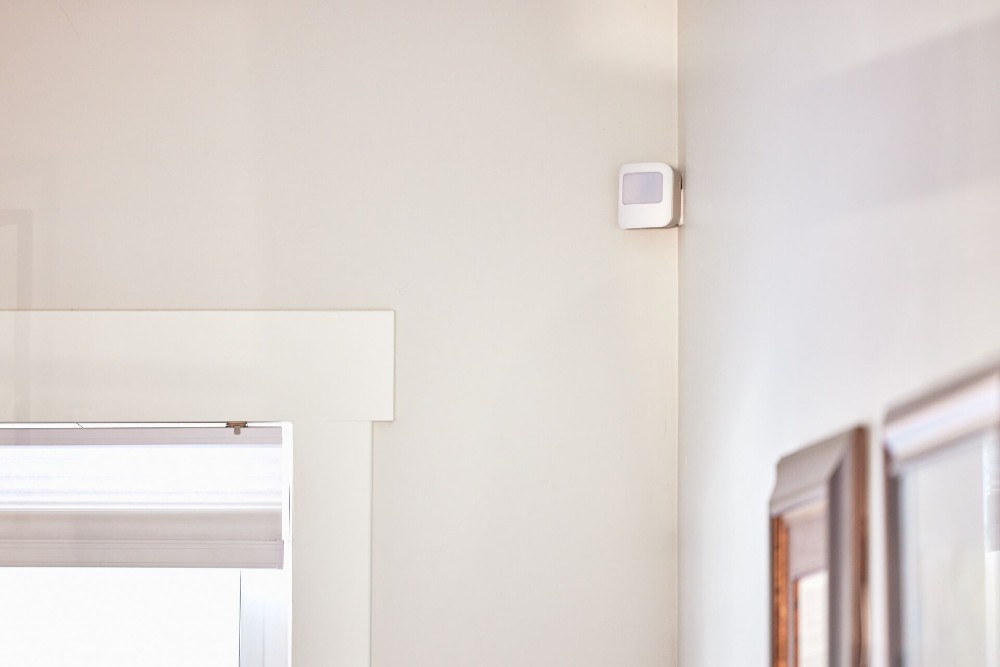
Today’s sound monitoring devices are discreet, privacy-friendly, and easy to install. Unlike traditional security cameras or audio recorders, these sensors measure decibel levels without recording conversations, ensuring guest privacy while still providing actionable data. Most systems offer:
- Continuous monitoring of ambient sound levels
- Customizable alert thresholds
- Mobile notifications for hosts or property managers
- Historical data and reporting features
- Integration with other smart home systems
Some advanced solutions can even distinguish between normal activity and potential disturbances, reducing false alarms and making it easier to manage multiple properties efficiently. For those interested in broader smart home integration, resources like this guide to the best smart home sensors for Alexa provide valuable insights into compatible devices and platforms.
Choosing the Right Solution for Your Rental
When evaluating noise monitoring for Airbnb and other short-term rentals, consider the following factors:
- Privacy compliance: Ensure the device does not record conversations or personal information.
- Ease of installation: Look for wireless, plug-and-play options that require minimal setup.
- Alert customization: The ability to set specific decibel thresholds and notification preferences is key.
- Integration: Compatibility with other smart home devices, such as property manager smart sensors, can enhance overall security and automation.
- Data access: Choose systems that provide clear, accessible reporting for compliance and dispute resolution.
It’s also wise to review your local laws and platform policies regarding noise monitoring. Transparency with guests is essential—clearly state in your listing that sound sensors are present and explain their purpose. This builds trust and sets expectations from the start.
Integrating Sound Sensors with Other Smart Devices
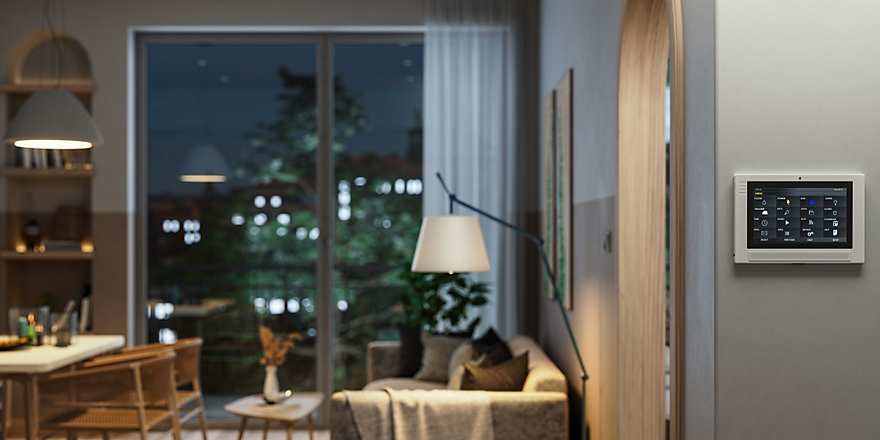
Modern rental properties often benefit from a suite of smart devices beyond just noise sensors. Combining sound monitoring with tools like smart locks, smoke detectors, and environmental sensors creates a comprehensive safety and management system. For example, pairing your noise solution with a smart alert system for hosts ensures you’re notified instantly about any unusual activity, not just excessive sound.
Smart home automation can also help streamline check-ins, manage energy use, and improve guest satisfaction. For hosts managing multiple units, integrated dashboards make it easy to monitor all properties from a single interface, saving time and reducing stress.
Best Practices for Implementing Noise Monitoring
To maximize the benefits of sound sensors in your rental property, follow these best practices:
- Be transparent with guests: Clearly mention the presence and purpose of noise sensors in your listing and house rules.
- Set reasonable thresholds: Avoid overly sensitive settings that could trigger false alarms from normal activity.
- Respond promptly: If you receive an alert, contact guests politely and remind them of quiet hours or community guidelines.
- Regularly review data: Use historical reports to identify patterns or recurring issues, and adjust your approach as needed.
- Integrate with other systems: Combine noise monitoring with Airbnb smart access control and other automation tools for a seamless management experience.
By taking these steps, you can minimize risks, foster positive relationships, and maintain a high standard for your rental business.
FAQ: Noise Monitoring in Short-Term Rentals
Are noise sensors allowed in Airbnb and other short-term rentals?
Yes, most platforms permit the use of sound monitoring devices as long as they do not record audio and guests are informed about their presence. Always disclose noise sensors in your listing and ensure compliance with local privacy laws.
Do noise sensors record conversations or personal information?
No, reputable devices only measure decibel levels and do not capture or store audio. This protects guest privacy while still allowing hosts to monitor for excessive noise.
How do I choose the right noise monitoring solution for my property?
Consider factors such as privacy compliance, ease of installation, alert customization, integration with other smart devices, and data access. Look for systems that are specifically designed for short-term rentals and offer reliable support.
Can noise monitoring help prevent parties and property damage?
Absolutely. By receiving real-time alerts when sound levels spike, hosts can intervene before gatherings get out of hand, reducing the risk of damage and complaints.
Incorporating noise monitoring for Airbnb and other short-term rental properties is a smart, proactive step for any host or property manager. With the right technology and approach, you can protect your investment, keep neighbors happy, and provide a better experience for your guests.